The Mountain of God
Overview
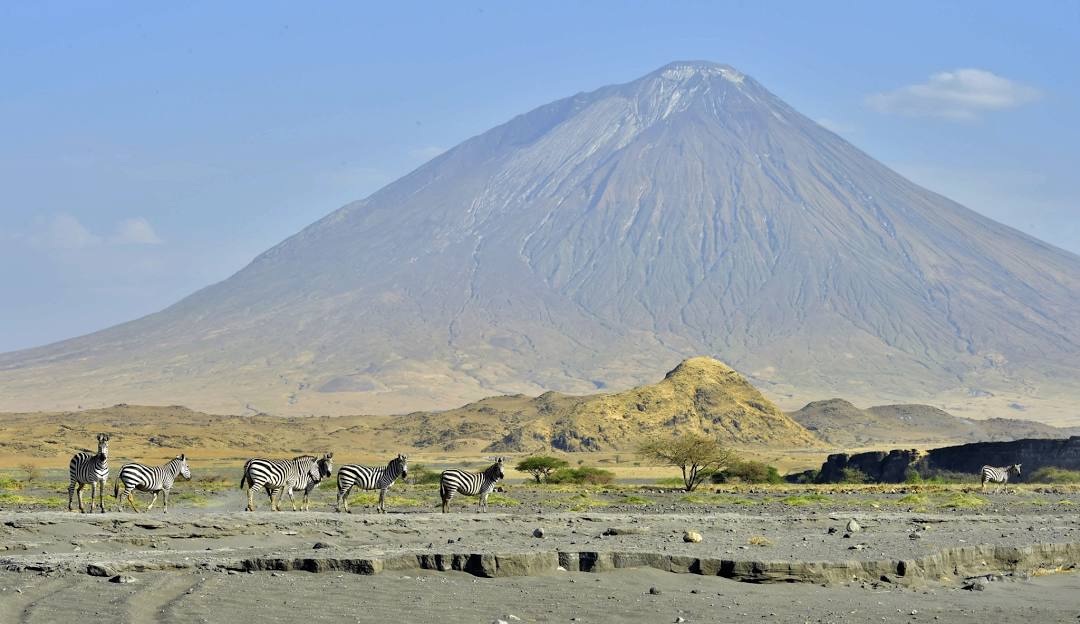
Ol Doinyo Lengai is unlike any other mountain in Africa — and arguably unlike any other mountain on earth that is accessible to non-specialist climbers. Rising from the floor of the East African Rift Valley on the southern shore of Lake Natron in northern Tanzania, it is an active stratovolcano of extraordinary geological distinction: the only volcano in the world currently erupting natrocarbonatite lava — a form of molten rock so chemically unusual that it erupts at temperatures far lower than conventional silicate lavas, appears black or dark brown rather than red at night, and turns white within hours of exposure to air and moisture as it carbonates and oxidises. The mountain is sacred to the Maasai people of the Rift Valley, who know it as Ol Doinyo Lengai — the Mountain of God — and whose oral traditions describe the crater as the dwelling place of Engai, the supreme deity of the Maasai cosmological system. To climb it is to enter a landscape of such geological strangeness and cultural depth that the experience sits entirely outside the normal categories of mountain adventure.
The Geology
The natrocarbonatite lava of Ol Doinyo Lengai is the defining geological phenomenon of the mountain and one of the most remarkable natural spectacles in the world for those who have the fortune to witness it in active eruption. Conventional basaltic lava erupts at temperatures of approximately 1,100–1,200 degrees Celsius and glows orange or red in the darkness. Lengai’s natrocarbonatite lava erupts at approximately 500–600 degrees Celsius — cool enough to appear black rather than red in darkness, forming small hornitos and lava flows across the crater floor that look in photographs like a landscape from another planet. The lava is rich in sodium and potassium carbonate — essentially a form of molten washing soda — and its reaction with atmospheric moisture causes it to carbonise rapidly on the surface, turning from black to grey to white within hours and creating a crater floor that appears to be covered in white ash or snow. Rainfall dissolves the carbonatite almost completely, regularly resetting the crater floor to bare rock and beginning the cycle of construction and dissolution again. The result is a crater landscape of constant, rapid, visible geological change — a living volcanic laboratory in which the processes that built the East African Rift Valley are still visibly at work.
The Climb
Ol Doinyo Lengai is climbed almost exclusively at night — a practical necessity driven by the extreme heat of the Rift Valley floor during daylight hours, which makes the lower slopes of the mountain essentially unbearable for sustained upward effort. The standard approach departs from the base of the mountain at approximately midnight, climbing through darkness on a steep, loose, relentlessly demanding path of volcanic ash and rock that gains approximately 1,650 metres of elevation in a horizontal distance of only a few kilometres. The gradient is severe — steeper than any section of Kilimanjaro or Meru — and the loose volcanic substrate means that for every two steps upward, one step slides back, creating a physical demand that is disproportionate to the mountain’s modest absolute altitude. The climb typically takes between five and eight hours depending on fitness, arriving at the crater rim at dawn.
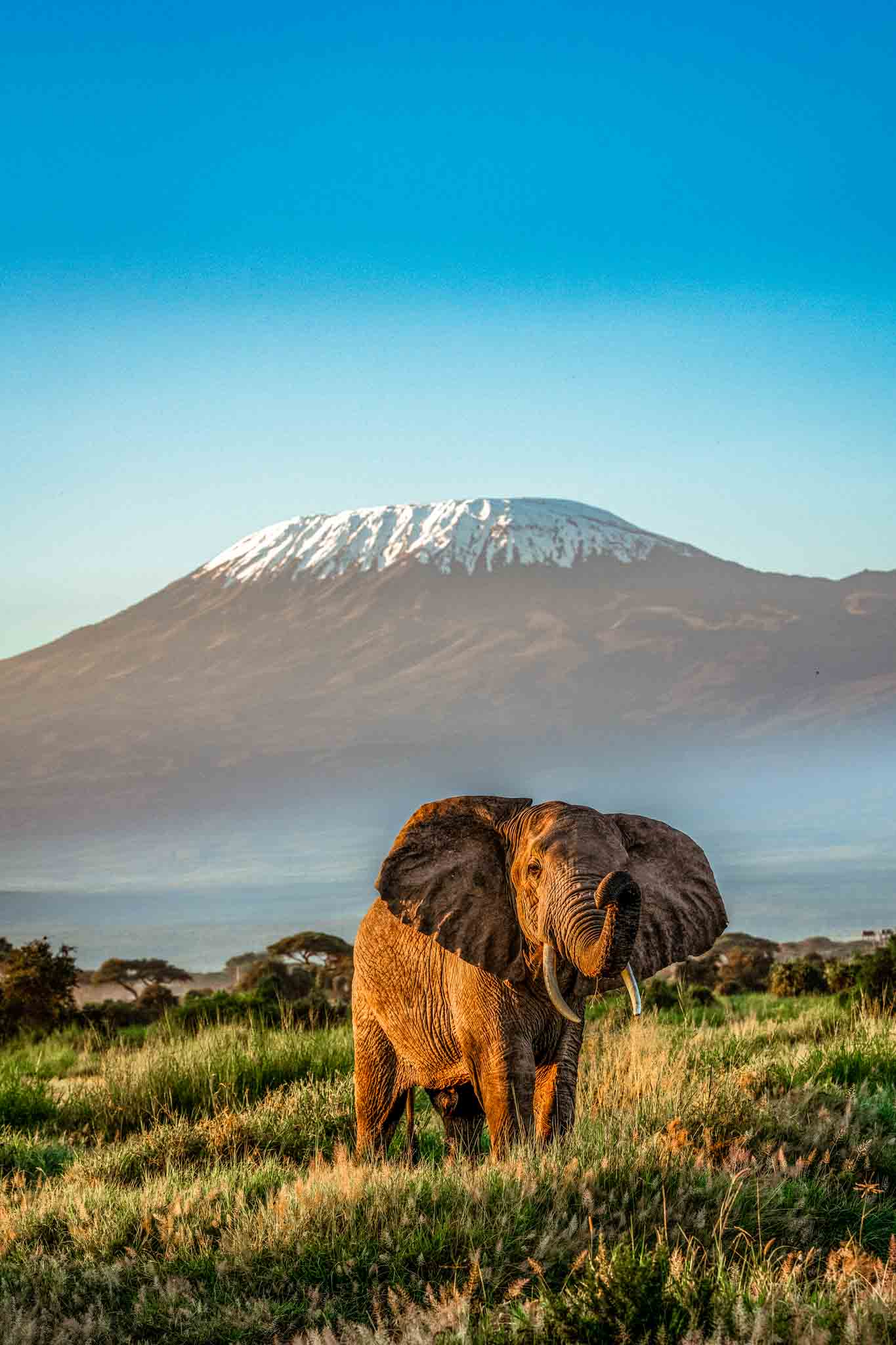
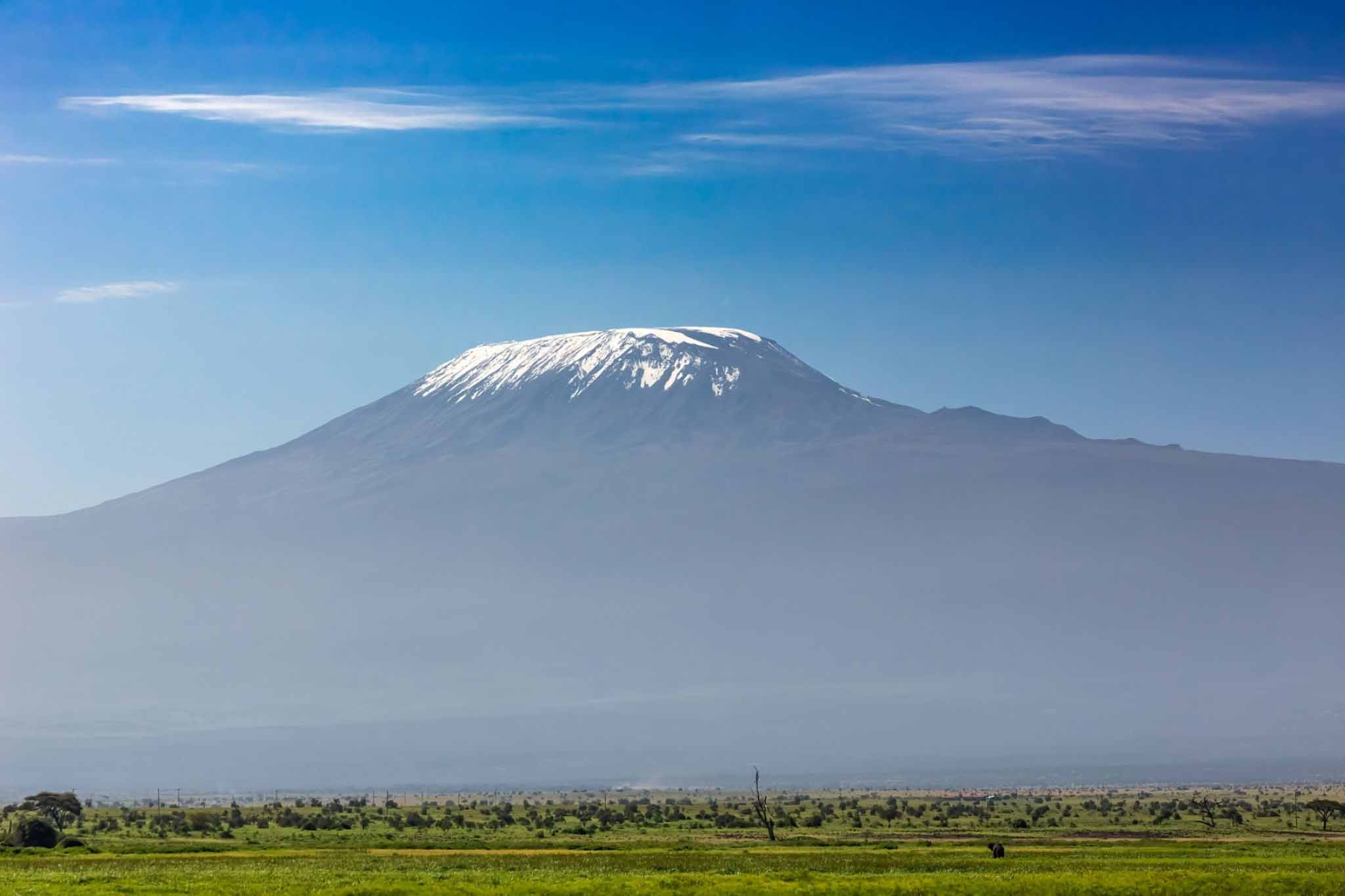
The crater rim arrival at dawn is one of the great moments in East African adventure travel. The floor of the crater spreads below — a surreal, otherworldly landscape of white carbonatite flows, dark hornito cones, and active fumaroles venting steam into the cool morning air. On days of active eruption, small lava flows move slowly across the crater floor, steaming where they contact the carbonatite surface. On all days, the view from the rim is extraordinary — Lake Natron spread out below in shades of deep red and orange, its colour produced by the halophilic bacteria that thrive in its hyper-saline waters; the Rift Valley escarpment rising to the west; and, on exceptionally clear mornings, the distant profile of Kilimanjaro visible to the southeast.
The Cultural Dimension
The Maasai relationship with Ol Doinyo Lengai adds a cultural dimension to the climb that is entirely absent from Kilimanjaro and Meru. The mountain is not merely a geological feature in the Maasai worldview — it is the physical address of Engai, the supreme deity who sends rain and cattle and determines the fate of communities and individuals. Maasai prayers and ceremonies are directed toward the mountain. When the volcano erupts — as it did significantly in 2007–2008 — it is interpreted within the Maasai community as a divine communication, an expression of Engai’s mood or intentions that requires ritual response. Climbing the mountain with a Maasai guide who can articulate this relationship transforms the experience from a geological adventure into a genuine cross-cultural encounter — an opportunity to understand how a living spiritual tradition interacts with one of the most extraordinary natural phenomena in East Africa.
Practical Considerations
Ol Doinyo Lengai is most commonly visited as part of a combined itinerary with Lake Natron — the flamingo-rich soda lake at the mountain’s base whose extraordinary colour and vast, flat surface create a landscape of alien beauty that is itself worth the considerable journey from Arusha. The drive to Lake Natron from Arusha takes approximately four to five hours on roads that are rough in the dry season and potentially impassable in the wet — the journey itself passes through some of the most dramatic Rift Valley scenery in Tanzania, descending the escarpment through Maasai pastoralist land with views that open progressively to reveal the Rift floor, the lake, and the mountain in a sequence of revelations that builds appropriate anticipation for what follows. Climbers should be in good physical condition, carry plenty of water — dehydration on the lower slopes in the residual heat of the Rift Valley night is a genuine risk — and be psychologically prepared for a climb that is harder, stranger, and more demanding than its modest altitude suggests. Those who make the effort will find a mountain experience that exists in a category entirely its own — one that combines geological wonder, cultural depth, physical challenge, and visual drama in a combination that no other mountain in East Africa can match.