Tanzania’s Spice Island — History, Reef, and Culture
Indian Ocean | Unguja & Pemba Islands | UNESCO World Heritage Stone Town
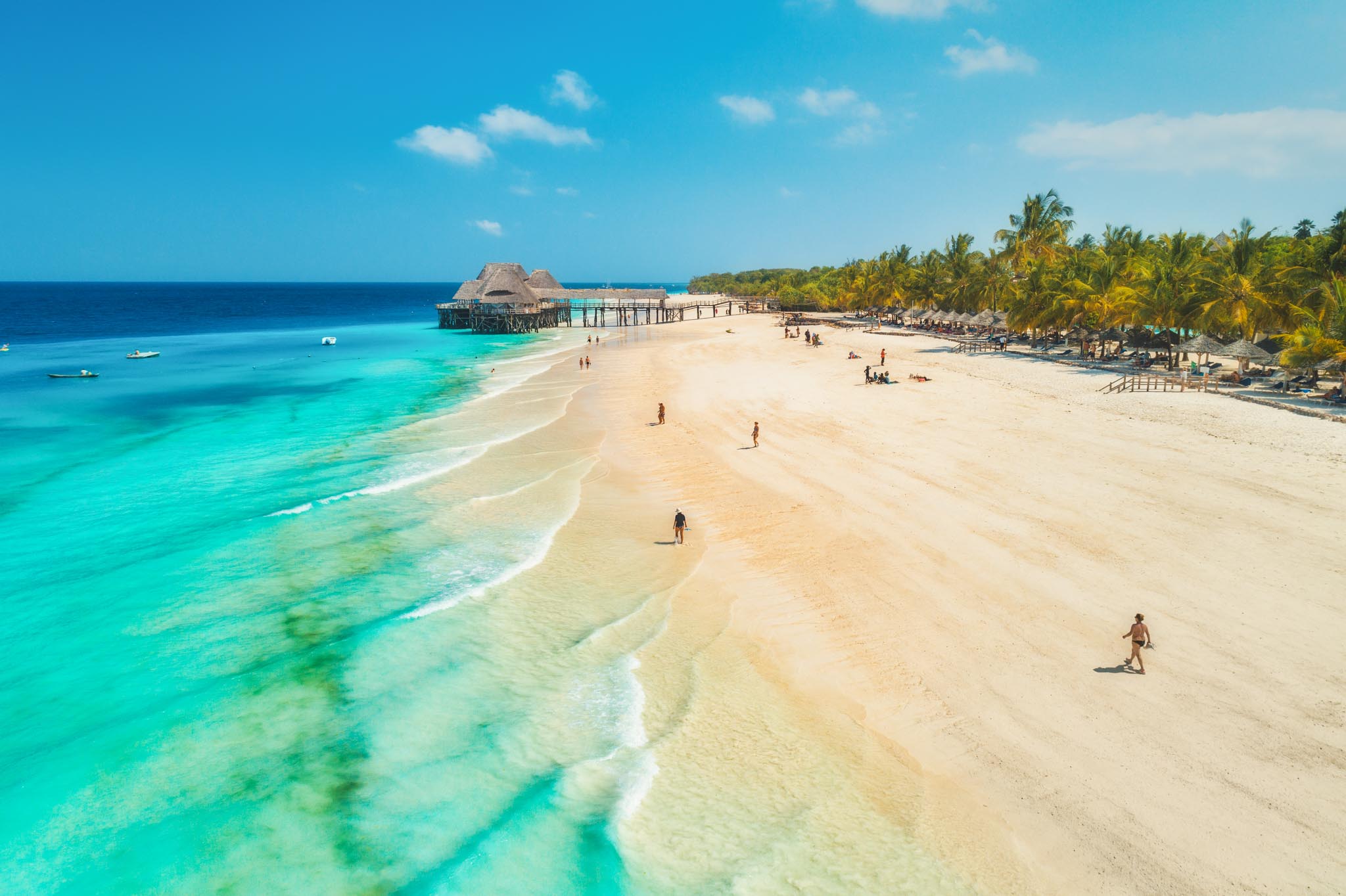
Zanzibar is frequently reduced in tourism marketing to turquoise water and white sand, which does it a profound injustice. This archipelago 35 kilometres off the Tanzanian coast is one of the most historically layered places in East Africa — a crossroads of Arab, Persian, Indian, Portuguese, and Swahili cultures that traded in ivory, cloves, and, darkly, enslaved people for centuries. For travellers researching Zanzibar Stone Town cultural history UNESCO World Heritage site, the old quarter of Zanzibar City is a living archive of this extraordinary mixed heritage, where the air smells of cardamom and cloves, and where the call to prayer echoes over rooftops that have heard it for a thousand years.
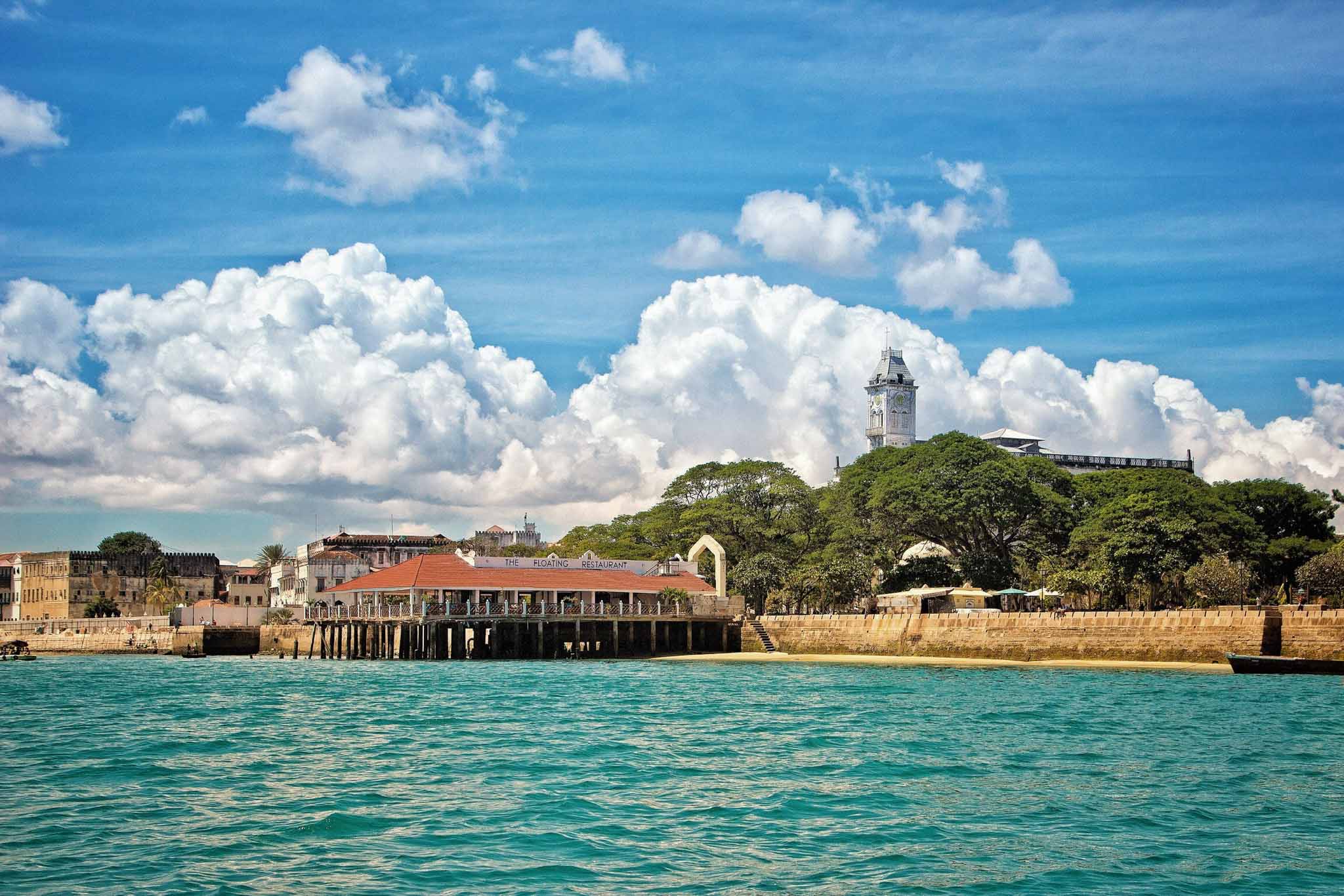
Stone Town: The Living Archive
Wandering Stone Town without a map is the correct approach. The labyrinthine alleyways — too narrow for cars — open suddenly into spice markets, Persian bathhouses (hammams), Arab-style courtyard mansions, and the haunting former slave market, now a memorial. The famous carved wooden doors of Stone Town number in the hundreds, each telling a story of the family who commissioned it. Indian merchants added brass studs to their doors — borrowed from a tradition meant to repel war elephants — while Arab residents preferred flowing floral carvings. Searching for carved wooden doors Zanzibar Stone Town meaning and symbolism reveals an entire lost vocabulary of architectural identity.
The House of Wonders (Beit el-Ajaib) — the first building in East Africa to have electricity and the first to have an elevator — stands at the seafront as a reminder of the Sultan’s ambition. The Old Fort (Ngome Kongwe), built by Omani Arabs in 1699 on the foundations of a Portuguese church, hosts evening cultural performances. And the Anglican Cathedral, built on the site of the slave market’s whipping post, is one of the most sobering historical spaces on the continent — the altar stands precisely where the whipping tree stood.
Marine Life & Reefs
| Marine Experience | Best Location | Best Season | What to Expect |
|---|---|---|---|
| Snorkelling | Mnemba Atoll | June – October | Turtles, dolphins, diverse reef fish |
| Scuba Diving | Pemba Channel | October – March | Hammerhead sharks, manta rays |
| Whale Shark Swimming | Mafia Island (day trip) | October – March | World’s largest fish up close |
| Dolphin Swimming | Kizimkazi village | Year-round | Spinner and bottlenose pods |
| Kitesurfing | Paje Beach (east coast) | June – October | Consistent SE trade winds |
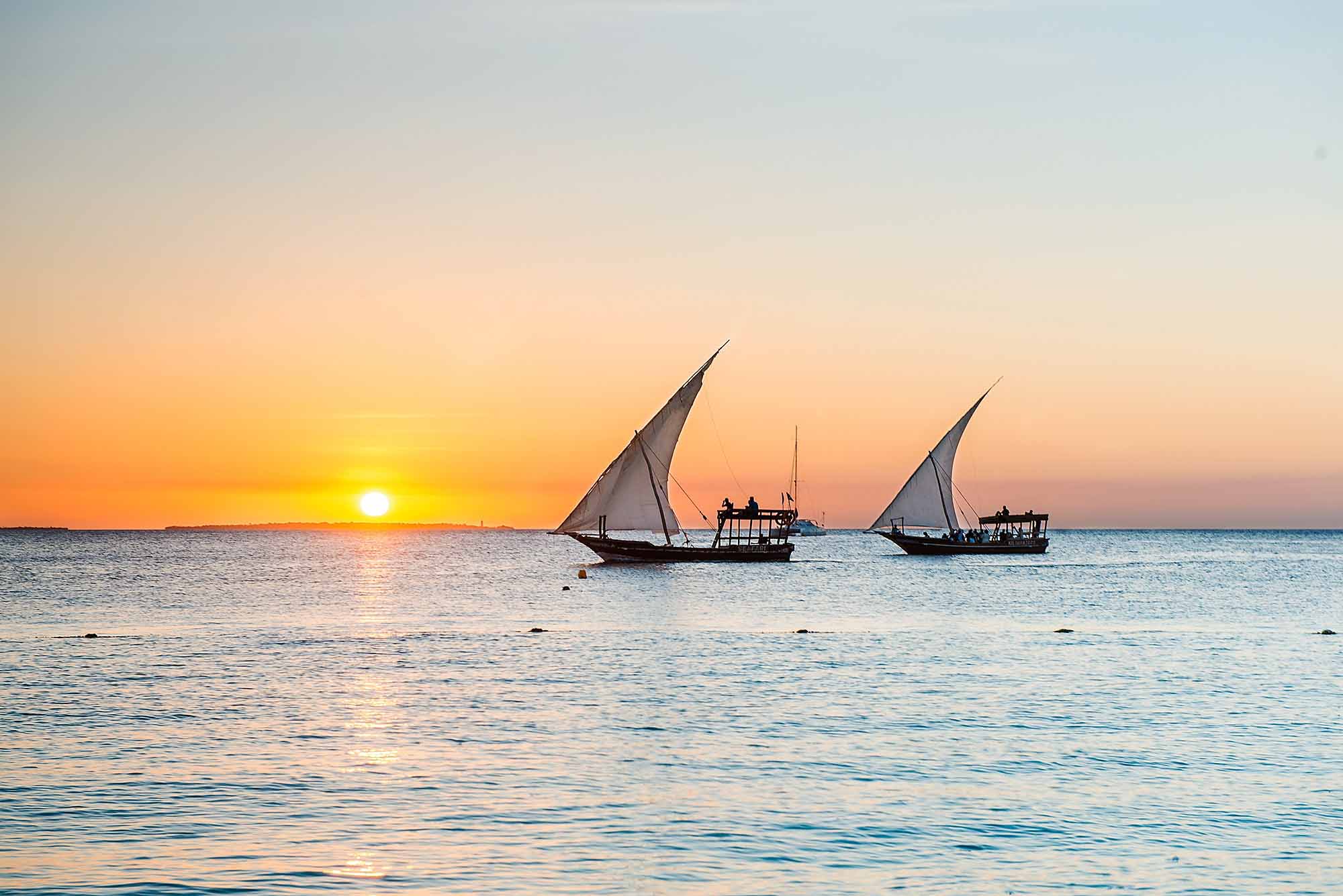
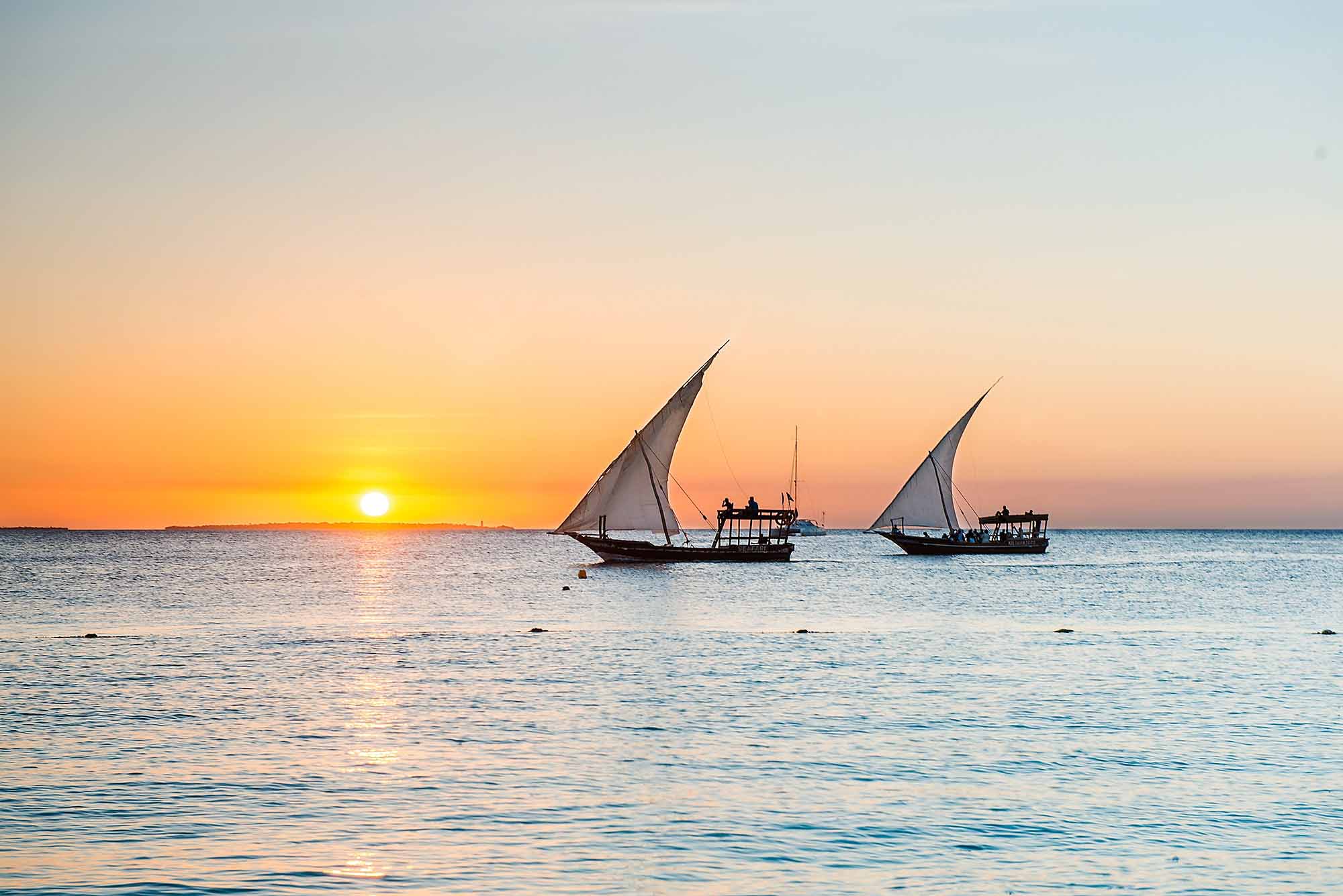
| Sunset Dhow Cruise | Stone Town harbour | Year-round | Traditional wooden sailing dhow |
| Deep Sea Fishing | North coast | Year-round | Marlin, sailfish, tuna |
The Spice Farms of Zanzibar
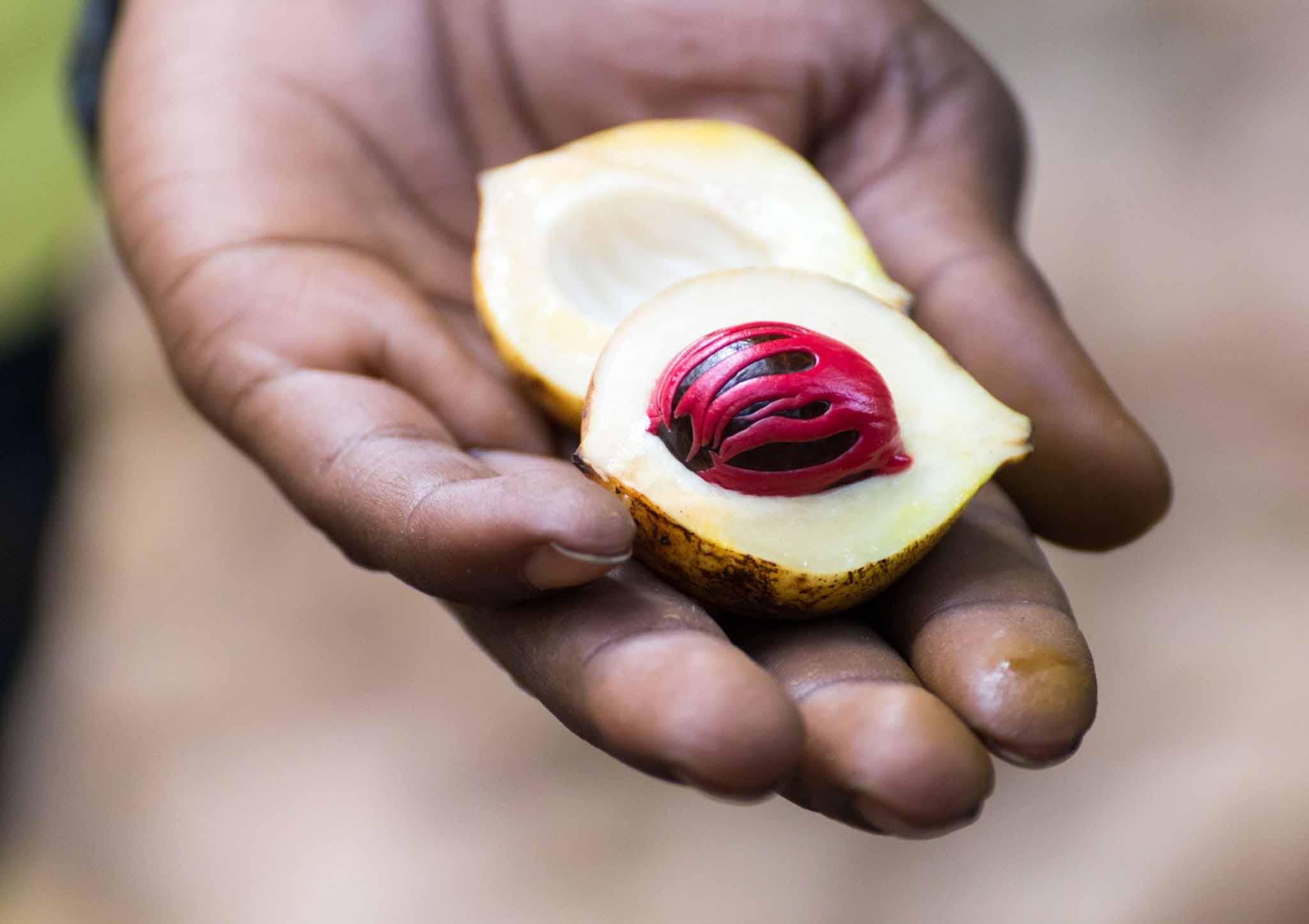
Zanzibar spice farm tour cloves nutmeg cinnamon vanilla history offers a completely different sensory experience from either beach or city. The island’s interior is blanketed with spice plantations established under Sultan rule in the 19th century, producing cloves (Zanzibar once supplied 90% of the world’s cloves), nutmeg, vanilla, cinnamon, cardamom, and lemongrass. Guided spice tours allow you to crush leaves between your fingers, bite a raw vanilla pod, smell fresh nutmeg at the source — all while the guide explains the colonial history woven into each crop. At the tour’s end, a traditional Swahili lunch cooked with the spices you have just encountered ties the experience together in the most satisfying way imaginable.
Beaches by Coast
| Beach Area | Character | Best For |
|---|---|---|
| Nungwi (North) | Lively, always swimmable (minimal tide issues) | Water sports, nightlife, snorkelling |
| Kendwa (North) | Quieter than Nungwi, full moon beach parties | Relaxed beach holiday |
| Paje (East) | Shallow tidal flats, kite-surfing mecca | Kitesurfing, budget travellers |
| Jambiani (East) | Traditional village feel, seaweed farms | Authentic local experience |
| Matemwe (North-East) | Upscale, quiet, Mnemba Atoll access | Luxury, diving, honeymoons |
| Kizimkazi (South) | Fishing village, dolphin watching | Off-the-beaten-path, culture |
When to Visit
Best time to visit Zanzibar avoiding the long rains and getting calm seas is a common question with a clear answer. The peak season runs June to October, when the SE trade winds (kusi) keep the air dry, the sea calm, and the snorkelling visibility exceptional. The long rains (masika) fall March to May and are best avoided for beach holidays — though Stone Town and spice tours remain perfectly enjoyable. December to February is warm, clear, and excellent for the north and east coasts, with the NE trade winds (kaskazi) bringing settled weather.
Where to Stay — Zanzibar
ZANZIBAR ACCOMMODATION — ZONE BY ZONE
| Zone | Property Name | Style | Price Range/Night | Best For |
|---|---|---|---|---|
| Stone Town | Park Hyatt Zanzibar | Luxury heritage hotel | USD 400–800 | History lovers, couples |
| Stone Town | Zanzibar Serena Hotel | Boutique colonial | USD 250–450 | Culture, location |
| Stone Town | Emerson Spice | Rooftop dining, boutique | USD 200–380 | Atmosphere, rooftop |
| Nungwi | Zuri Zanzibar | Adults-only boutique | USD 350–600 | Couples, beach luxury |
| Nungwi | Ras Nungwi Beach Hotel | Classic beachfront | USD 200–380 | Diving, water sports |
| Matemwe | Matemwe Lodge (&Beyond) | Luxury ocean-view | USD 600–900 | Honeymoon, Mnemba diving |
| Paje | Sunshine Marine Lodge | Mid-range kitesurfing | USD 100–200 | Kitesurfers, backpackers |
| Jambiani | The Sands at Nomad | Boutique eco-lodge | USD 250–450 | Couples, authenticity |
| Kendwa | Kendwa Rocks | Lively beach lodge | USD 150–280 | Social travellers |