Cultural Safari
Cultural Safari Maasai Villages, Local Communities and Living Traditions
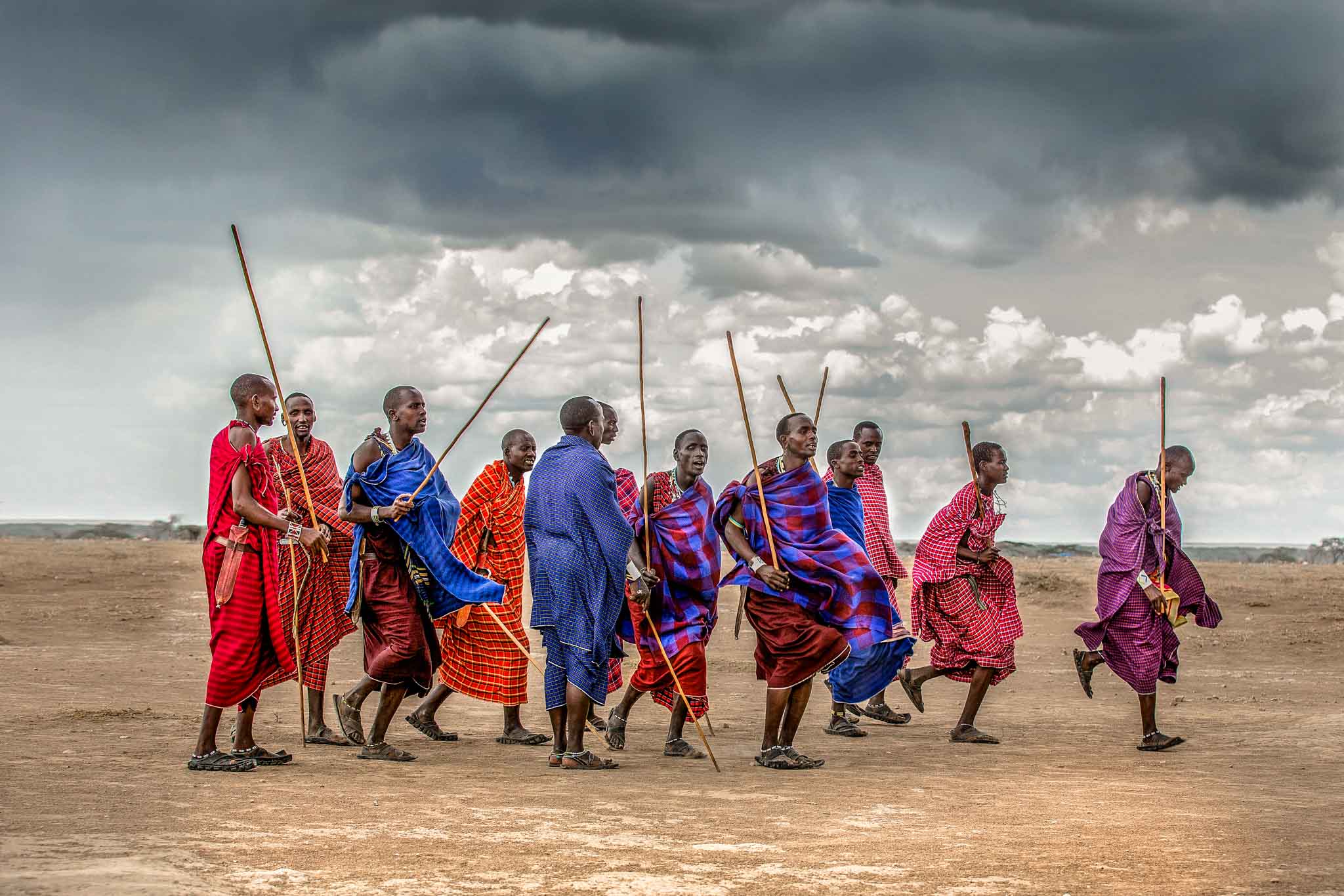
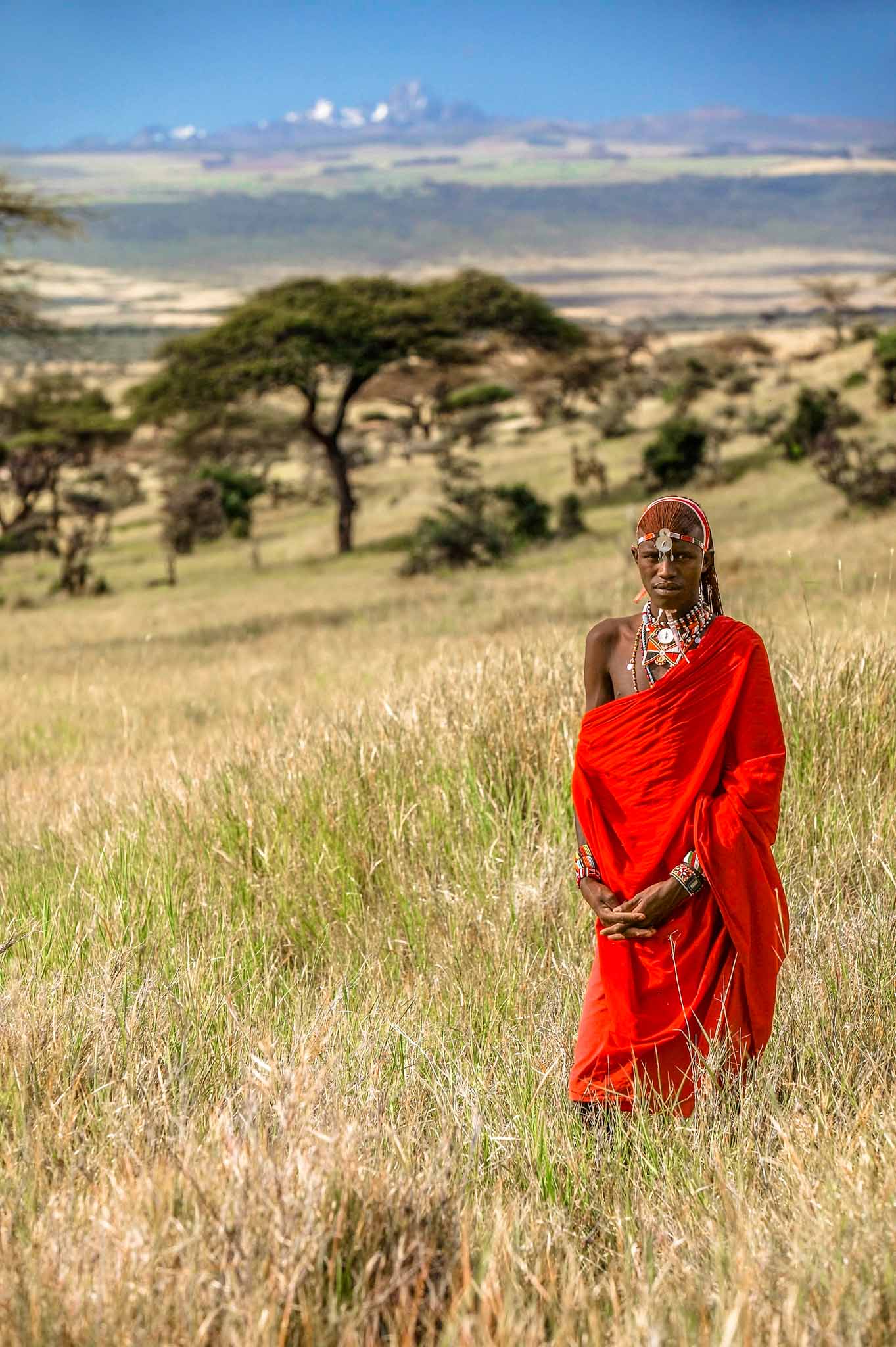
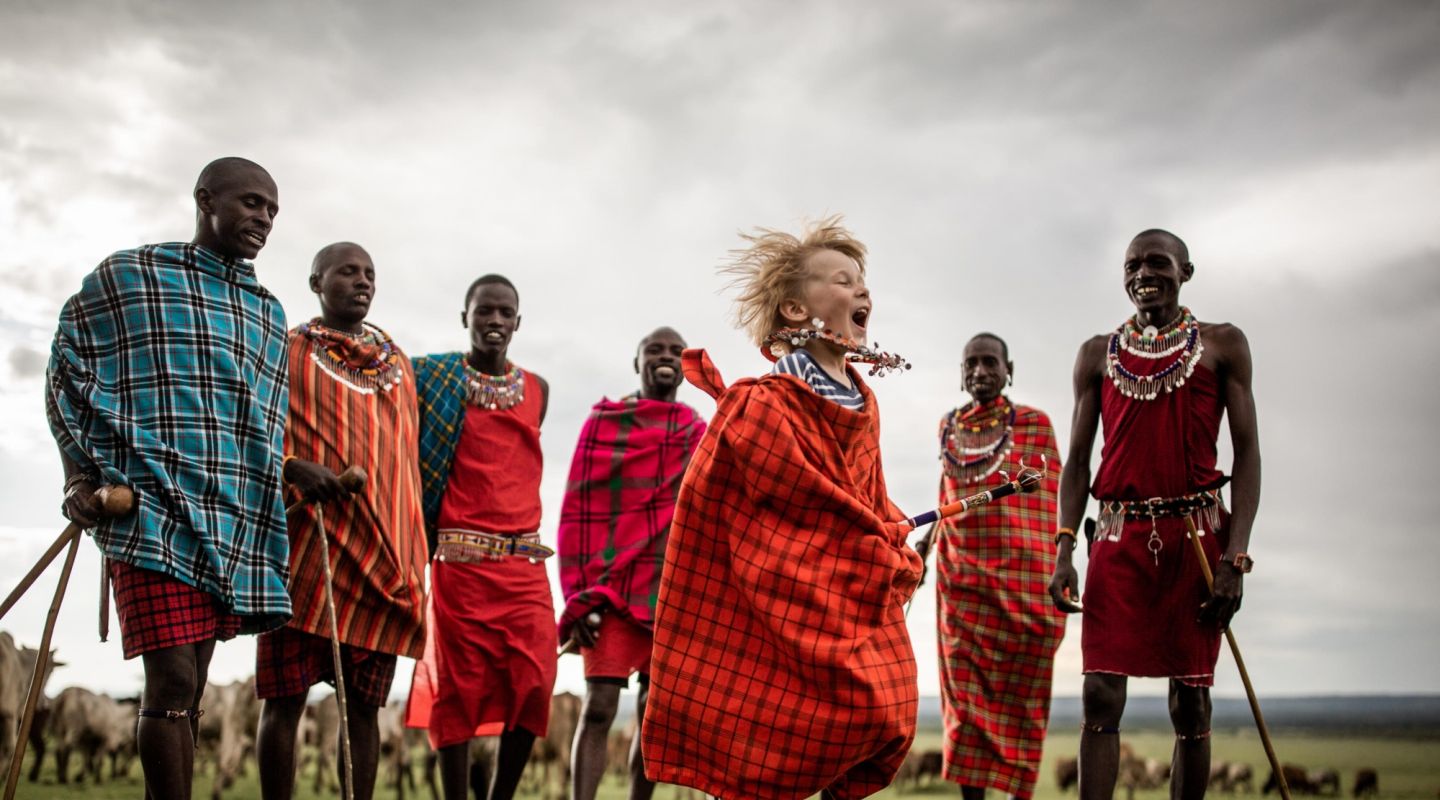
Tanzania’s wildlife is extraordinary, but the human cultures that share and have shaped these landscapes for centuries are equally compelling, and the best Tanzania safari itineraries make space for genuine cultural engagement alongside the game drives. A visit to a traditional Maasai boma — a family compound enclosed within a thorn-bush fence, its mud and dung houses arranged around the central livestock enclosure — offers a window into a pastoral way of life that has maintained its essential character across centuries of change. Maasai guides explain the significance of cattle in their social and economic system, demonstrate the fire-making and jumping ceremonies that mark male rites of passage, and describe how their community navigates the relationship between traditional land use and the wildlife conservation that now governs much of the landscape they have historically occupied.
Beyond the Maasai, Tanzania’s cultural diversity offers many other points of engagement for the curious traveller. A visit to a coffee farming community on the slopes of Mount Kilimanjaro, where families have grown the same arabica varieties for generations, connects the morning cup to the landscape and the labour that produced it. Village walks in the communities surrounding the Southern Circuit parks introduce visitors to the daily realities of life on the edge of a wildlife area — the challenges of crop raiding elephants and livestock-killing lions alongside the economic opportunities that well-managed tourism can deliver. The most meaningful cultural experiences on a Tanzania safari are those organised in genuine partnership with the communities involved, where the visit contributes directly to community income and is guided by community members rather than external operators.