Southern Tanzania’s Accessible Wildlife Gem
Southern Tanzania | 3,230 km² | Gateway to the Selous Ecosystem
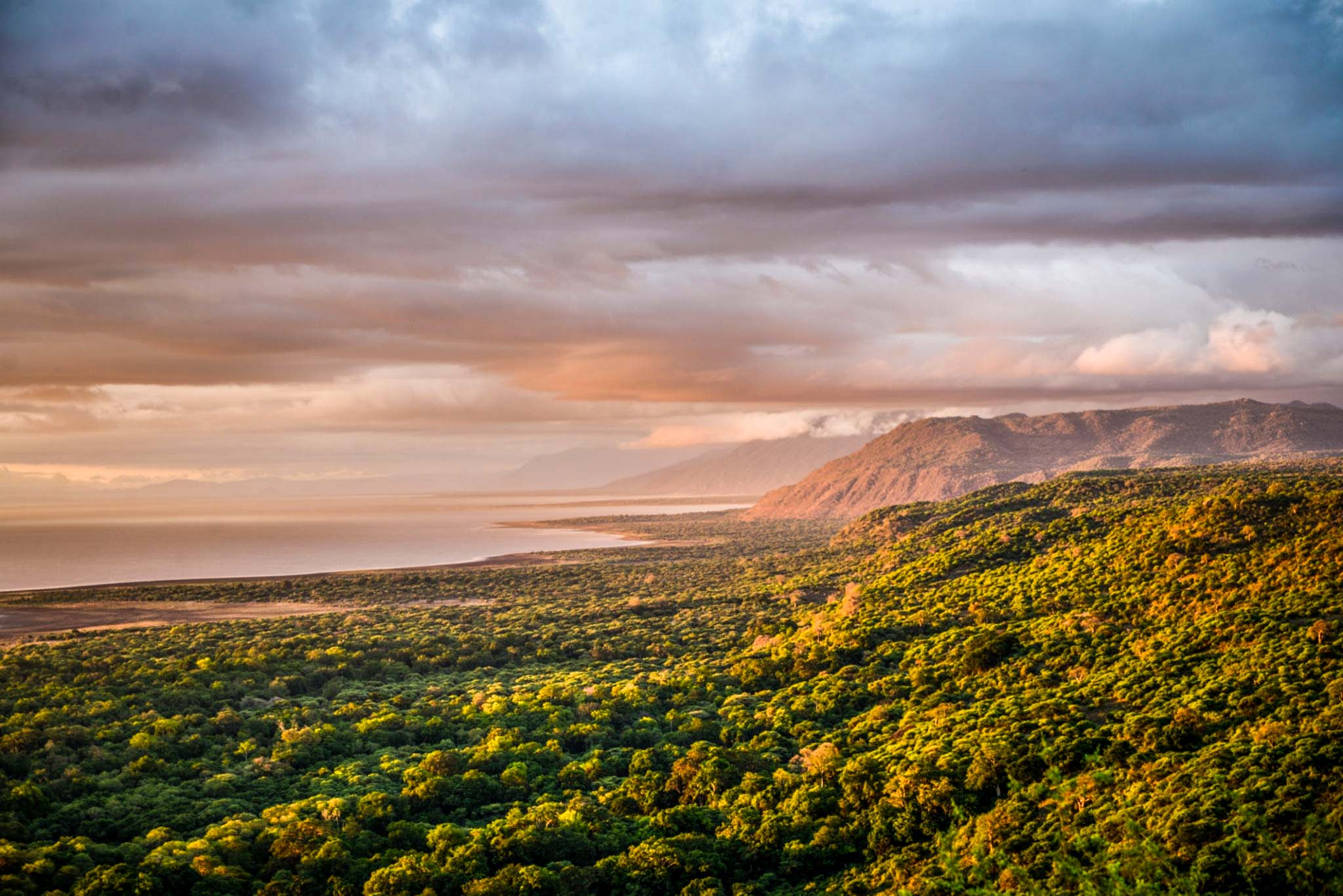
Mikumi National Park occupies a rare position in Tanzania’s safari landscape: it is genuinely wild, wildlife-rich, and directly accessible by road from Dar es Salaam in approximately 4–5 hours along the Tanzam Highway. For travellers without time for a bush flight or a full northern circuit itinerary, Mikumi National Park budget safari day trip from Dar es Salaam, this represents a genuine alternative — not a compromise. The park sits within the vast Selous–Niassa ecosystem, one of Africa’s largest protected wildlife corridors, and its Mkata floodplain is among the most productive wildlife-watching habitats in southern Tanzania.
Unlike many southern Tanzanian parks that require expensive charter flights, Mikumi can be reached independently, making it the park of choice for travellers based in Dar es Salaam, researchers from the University of Dar es Salaam’s field station within the park, and backpackers working their way south along the Tanzam corridor. It is also Tanzania’s only national park bisected by a major highway — the Tanzam (TAZARA) road and railway pass through its southern section, creating a unique set of challenges for wildlife management and a unique set of unexpected sightings for road travellers.
The Mkata Floodplain: Mikumi’s Wildlife Engine
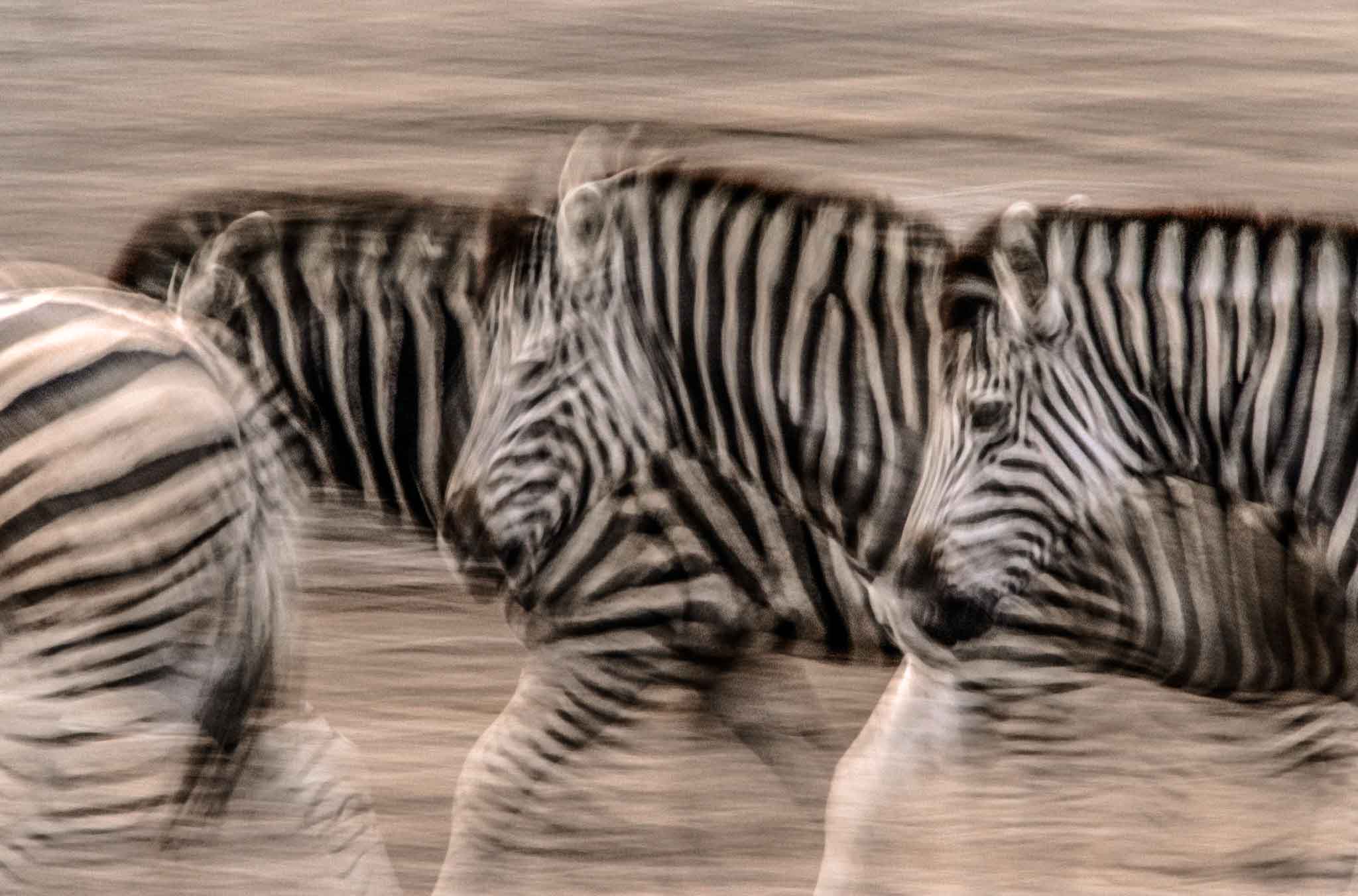
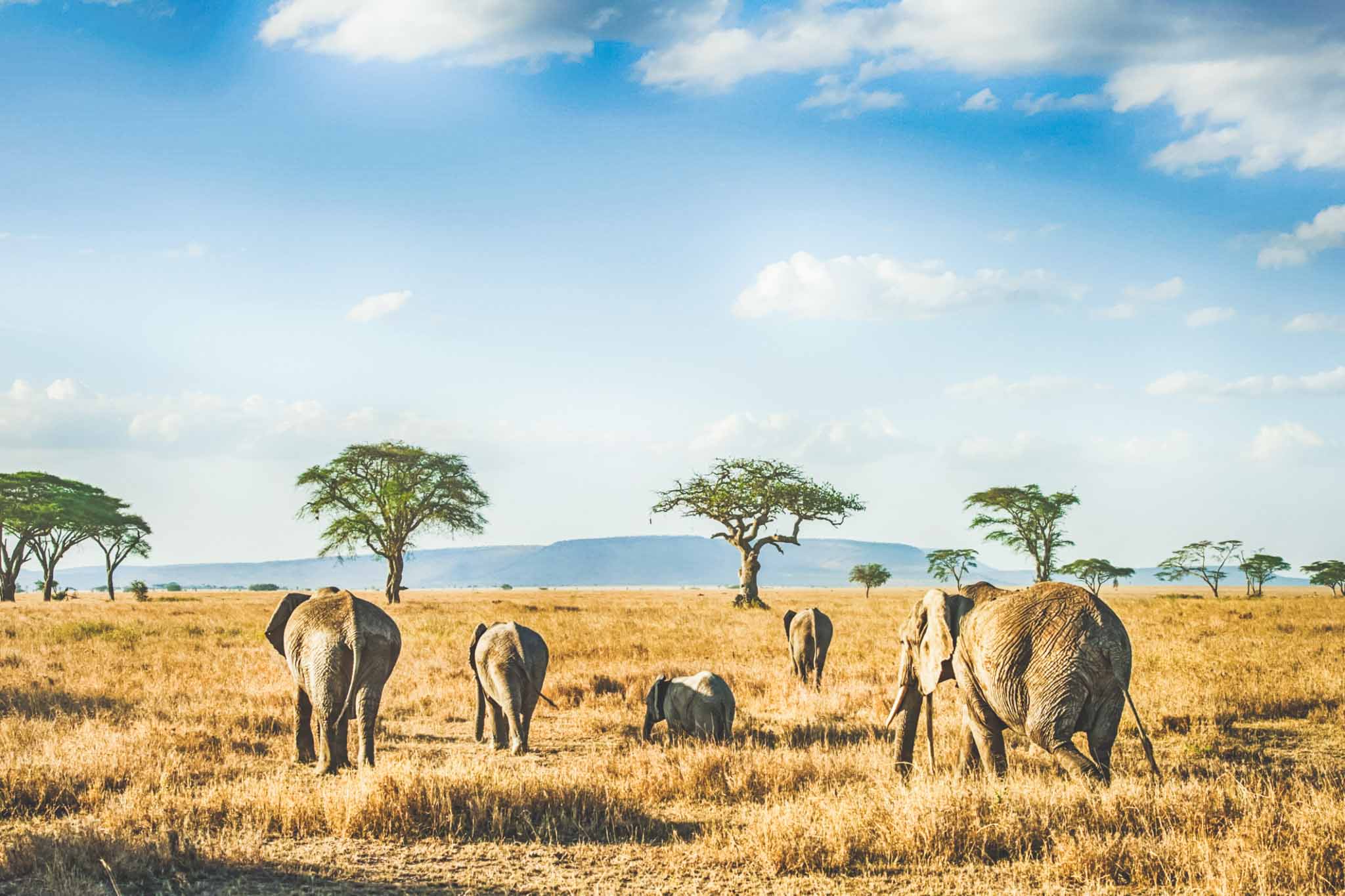
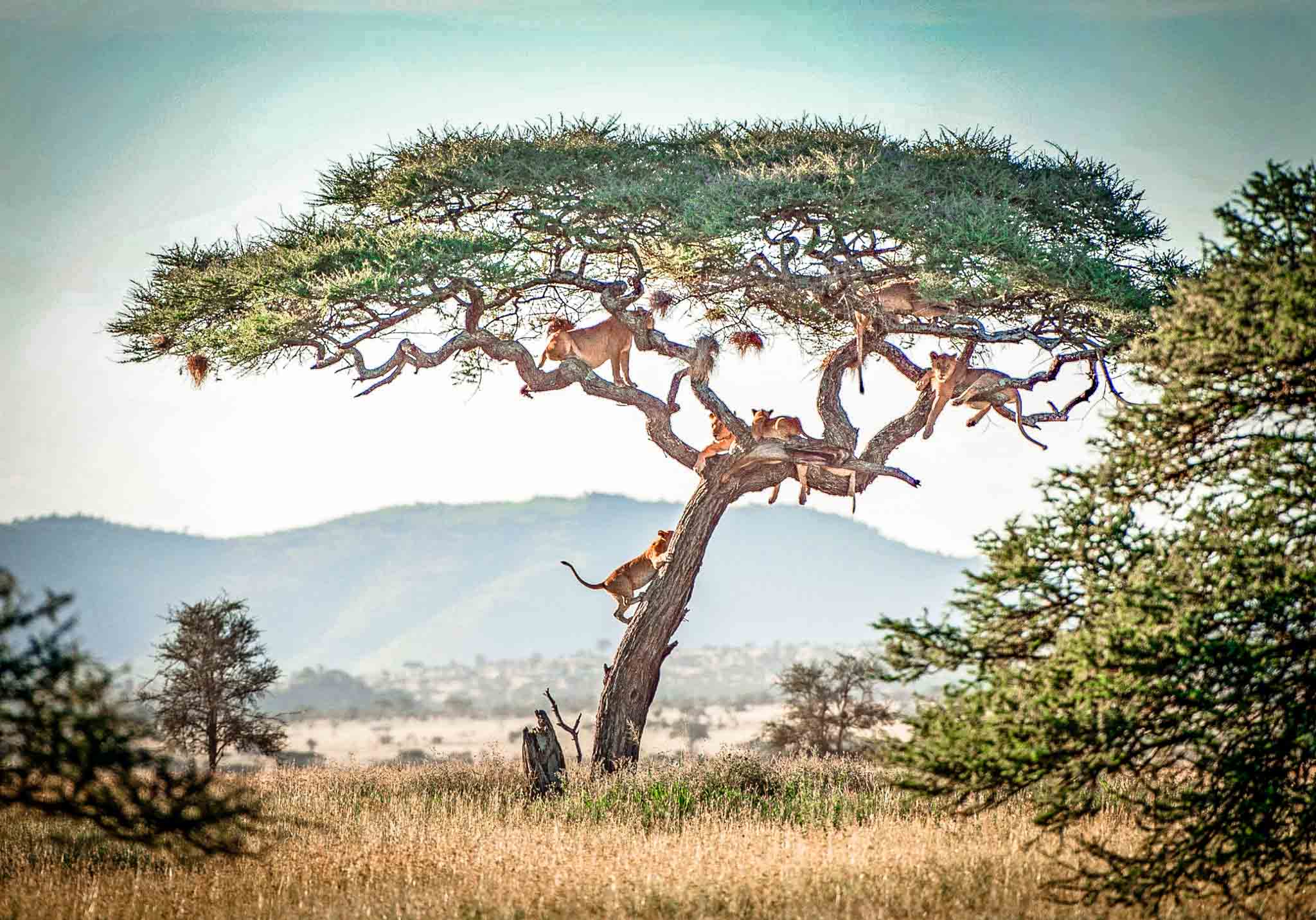
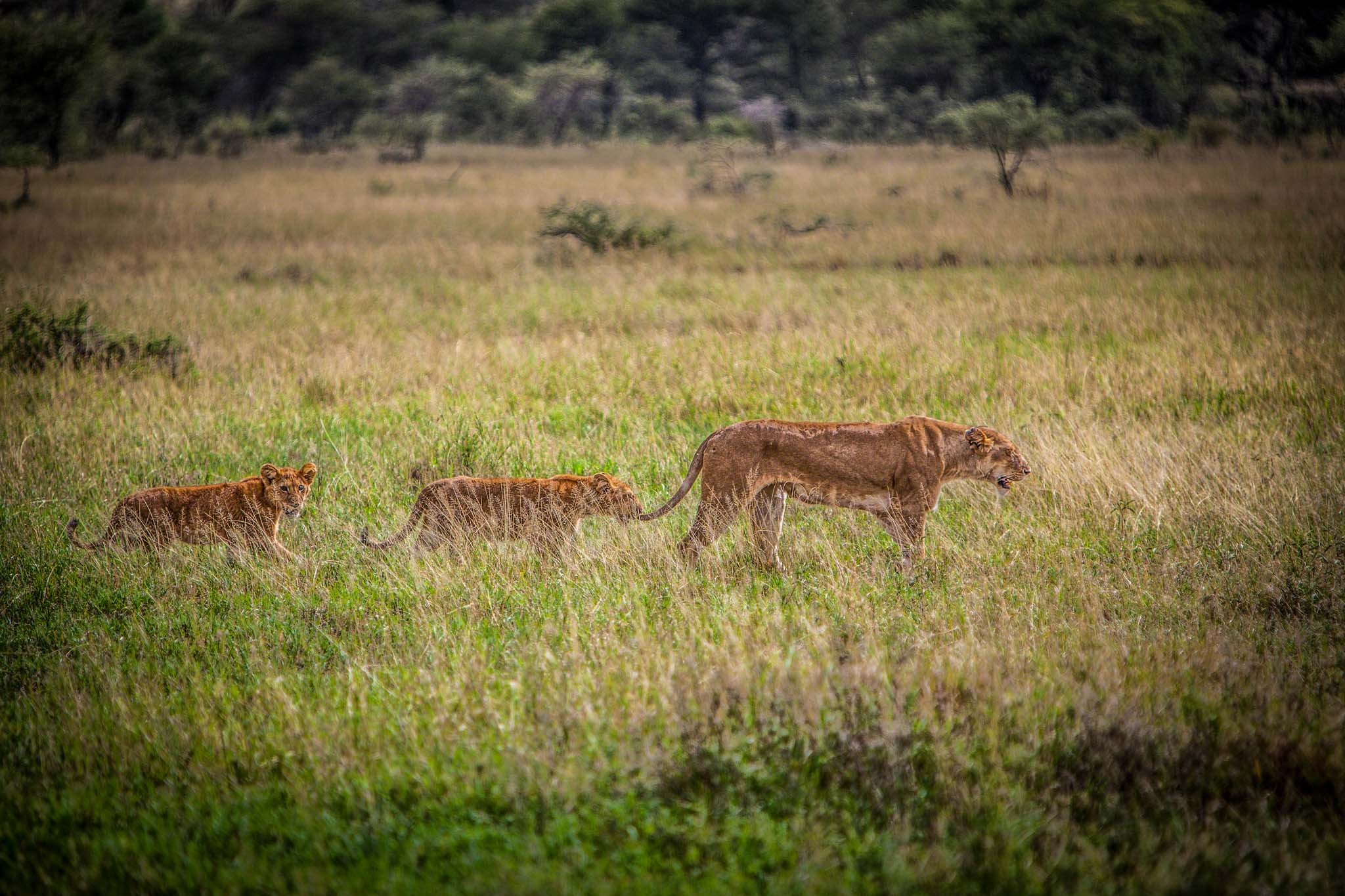
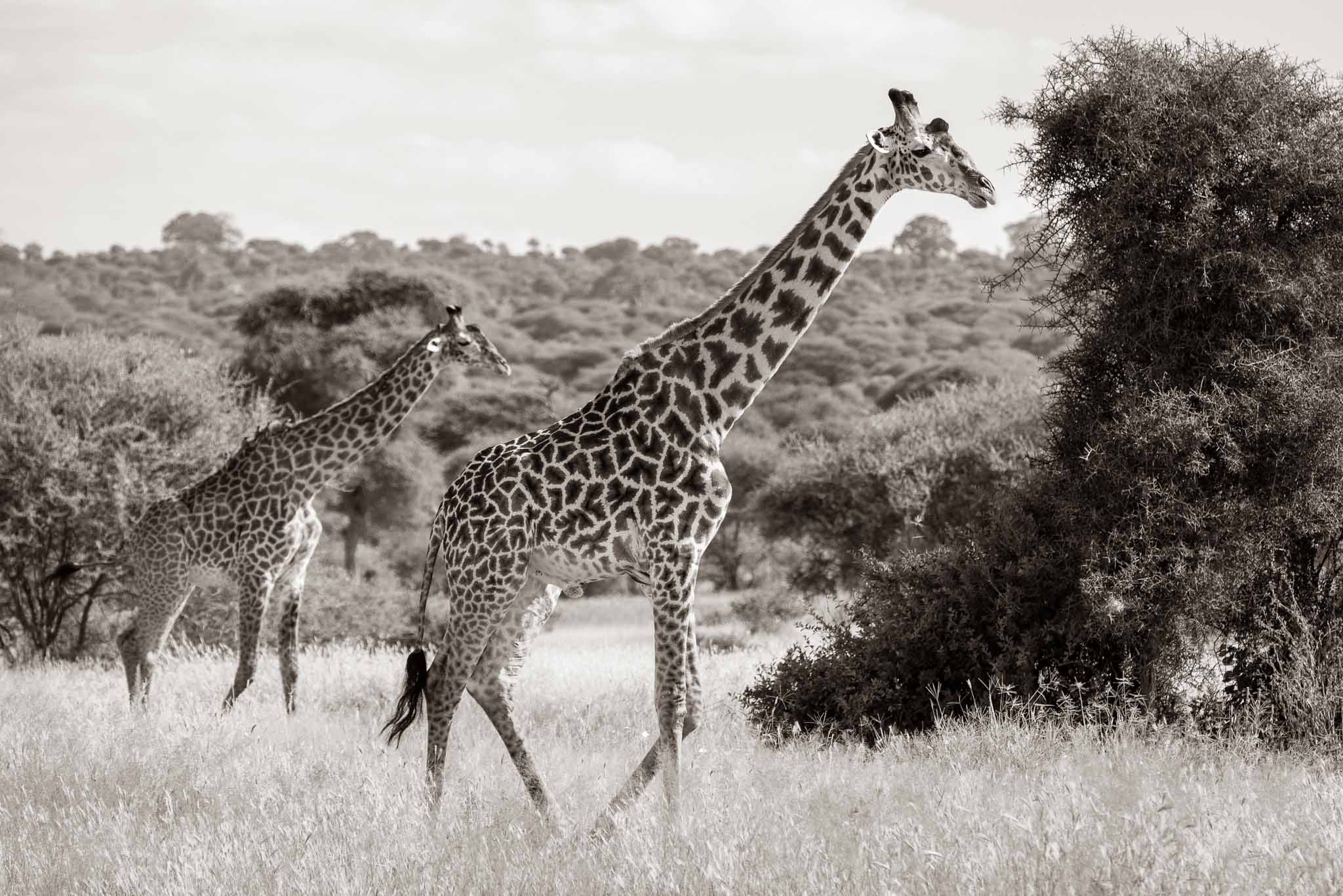
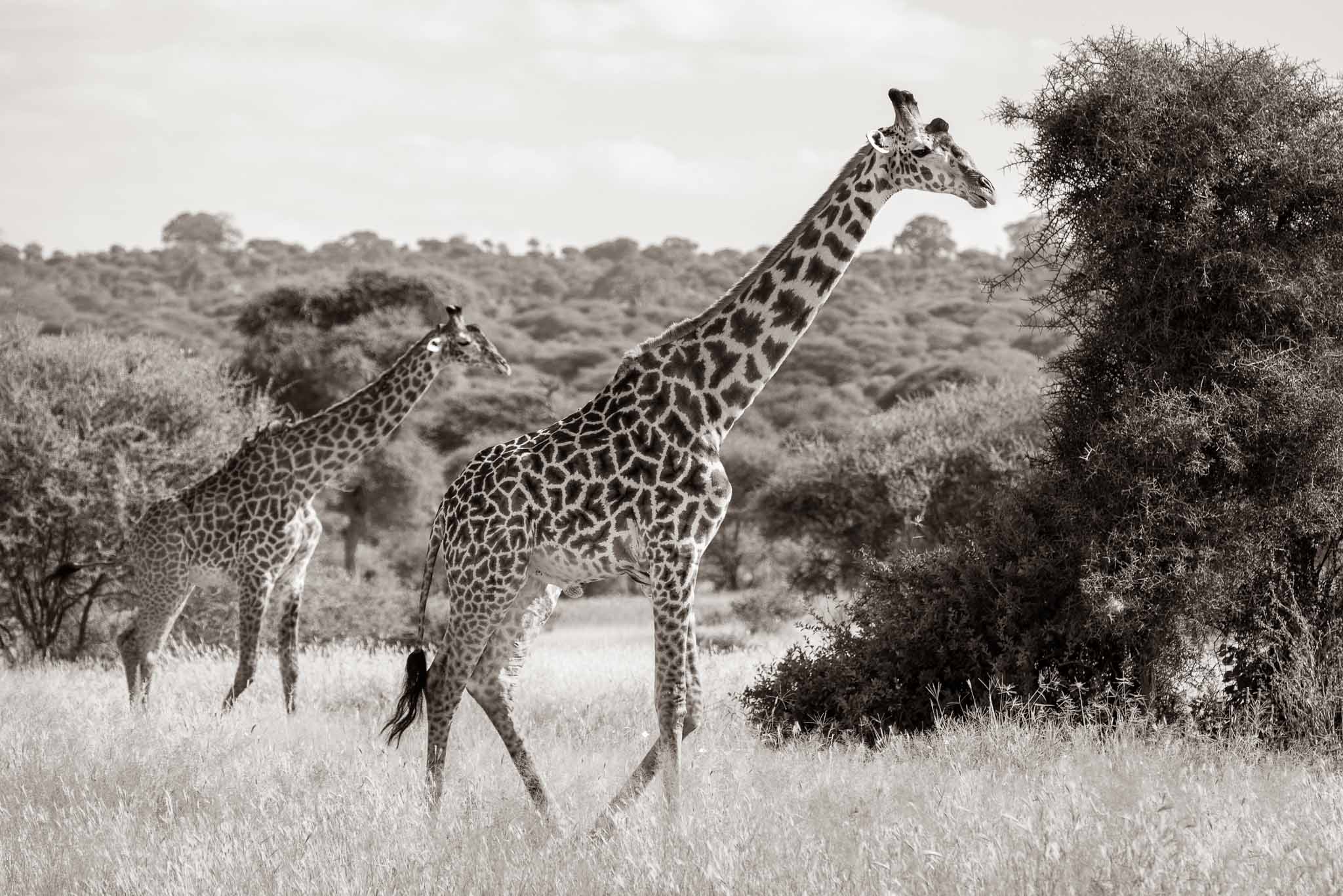
At the heart of Mikumi is the Mkata Floodplain — a flat, open grassland threaded with seasonal watercourses and dominated by yellow acacia trees. This is Mkata floodplain Mikumi wildlife wildebeest zebra giraffe game viewing, with large mixed herds grazing alongside giraffe, eland, and impala. The openness of the terrain makes wildlife viewing exceptional — you can see a lion pride from 2 kilometres away across the plain, long before they are aware of you. This is one of the things that surprises first-time Mikumi visitors most: the game viewing here is not a consolation prize for missing the northern circuit. It is genuinely world-class.
The hippo pools near park headquarters are among the most accessible in Tanzania — large pools within 10 minutes of the main gate, holding pods of 20–30 hippos year-round. Nile crocodiles of considerable size share the banks. Yellow baboon troops — a different species from the olive baboons of the north, paler and longer-limbed — are seemingly everywhere, often becoming a hazard around camp areas where they have learned to associate humans with food.
Wildlife Sightings Guide
| Species | Likelihood of Sighting | Best Zone |
|---|---|---|
| Yellow Baboon | Very High — troops everywhere | Throughout park |
| African Elephant | High | Northern areas, near water |
| Lion | Good — resident prides | Mkata floodplain |
| Leopard | Low — secretive woodland species | Miombo woodland edges |
| Hippo | Very High | Hippo pools near park HQ |
| Wild Dog | Occasional — dispersing from Selous | Remote northern sections |
| Greater Kudu | Moderate | Woodland areas |
| Eland | Good — large herds | Floodplain |
| Giraffe | Very High | Throughout park |
| Zebra | Very High | Mkata floodplain |
Birdwatching
Mikumi’s bird list exceeds 400 species, and the combination of floodplain, miombo woodland, and riverine forest creates multiple distinct birding environments within a compact area. Mikumi National Park birding endemic miombo woodland species includes highlights such as the miombo rock thrush, stierling’s wren-warbler, the Böhm’s flycatcher, and the spectacular African fish eagle along the watercourses. The floodplain at dawn — with yellow-billed storks, saddle-billed storks, and grey crowned cranes moving across the mist — is a genuinely beautiful sight. Martial eagles are regularly seen perching on tall trees along the floodplain edge.
Seasons & Access
| Season | Road Conditions | Wildlife Viewing | Notes |
|---|---|---|---|
| Dry (June–October) | Excellent — Tanzam Highway always passable | Best — animals concentrate at water | Peak season, higher rates |
| Short Rains (Nov–Dec) | Good | Green and birdlife peaks | Good value, fewer crowds |
| Long Rains (Mar–May) | Some interior tracks close | Good but dispersed | Lowest rates, lush scenery |
| Jan–Feb (Dry spell) | Good | Active, calving impala | Underrated and uncrowded |
Why Mikumi Is Overlooked — And Why That Is Your Advantage
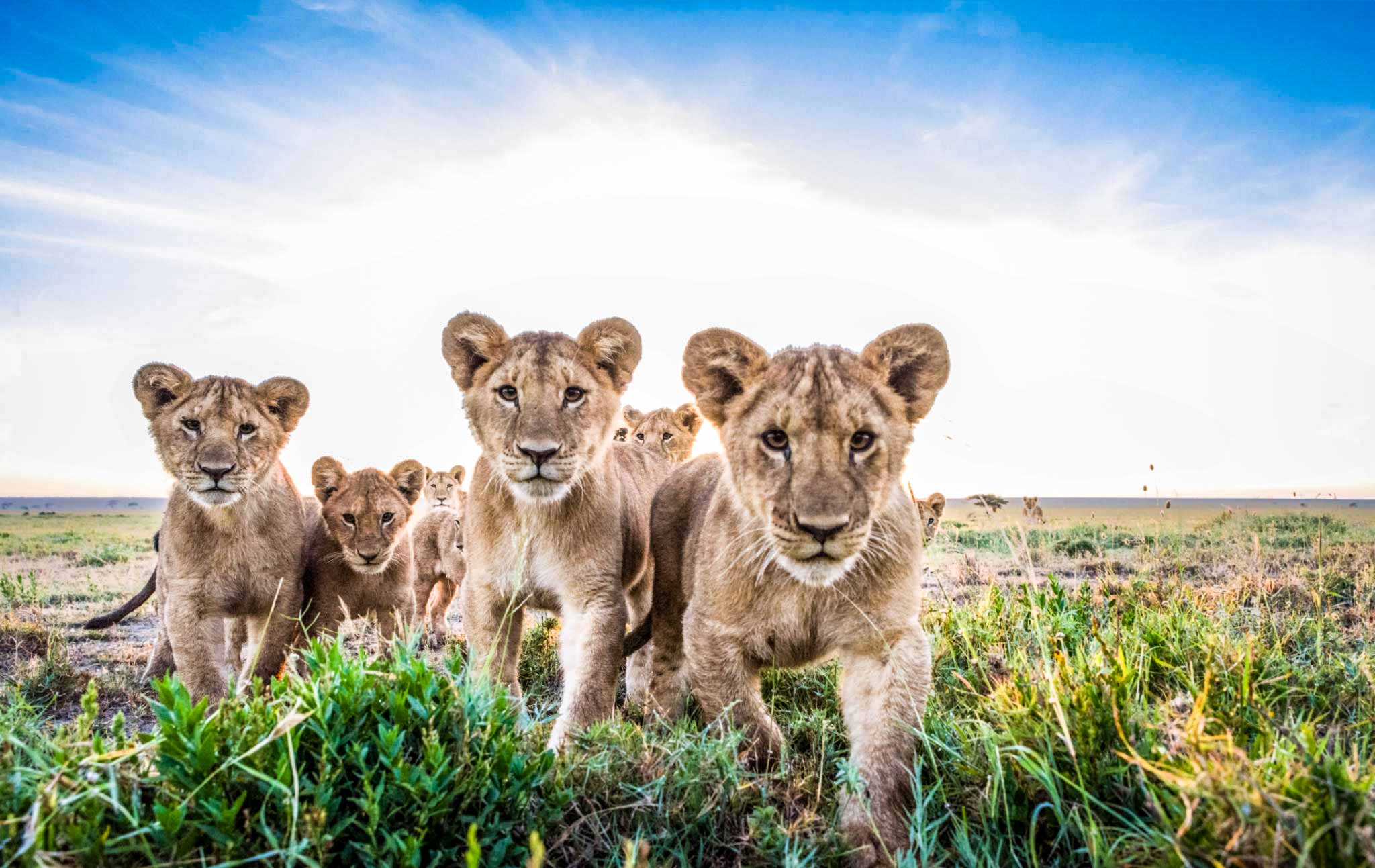
Mikumi lacks the global brand of the Serengeti or the UNESCO prestige of Ngorongoro, which means game drives frequently happen with no other vehicles in sight. Mikumi National Park private game drive no crowds southern Tanzania is a realistic expectation here, not a marketing promise. The absence of the tourist infrastructure of the north also means that genuine encounters — a lion crossing the road, an elephant turning to look at you from 10 metres — happen without the distraction of 15 other vehicles clustered around the same animal.
Where to Stay — Mikumi
📋 MIKUMI ACCOMMODATION — FULL BREAKDOWN
LUXURY
- Stanley’s Kopje | Boutique hillside camp | USD 400–700/person/night | Stunning elevated views over Mkata Plain, excellent guiding
MID-RANGE
- Vuma Hills Tented Camp | Hillside tented camp | USD 200–380/person/night | Quiet location above the floodplain, good food
- Mikumi Wildlife Camp | Classic safari camp | USD 150–280/person/night | Long-established, reliable, inside park
BUDGET
- Tan-Swiss Lodge | Roadside lodge | USD 80–150/person/night | Clean, efficient, popular with road travellers
- Genesis Campsite | Campsite + basic rooms | USD 30–80/person/night | Budget option, friendly staff
SELF-CATERING / CAMPING
TANAPA Bandas & Campsite | Government facilities | USD 25–50/person/night | Basic self-catering bandas and campsites inside the park