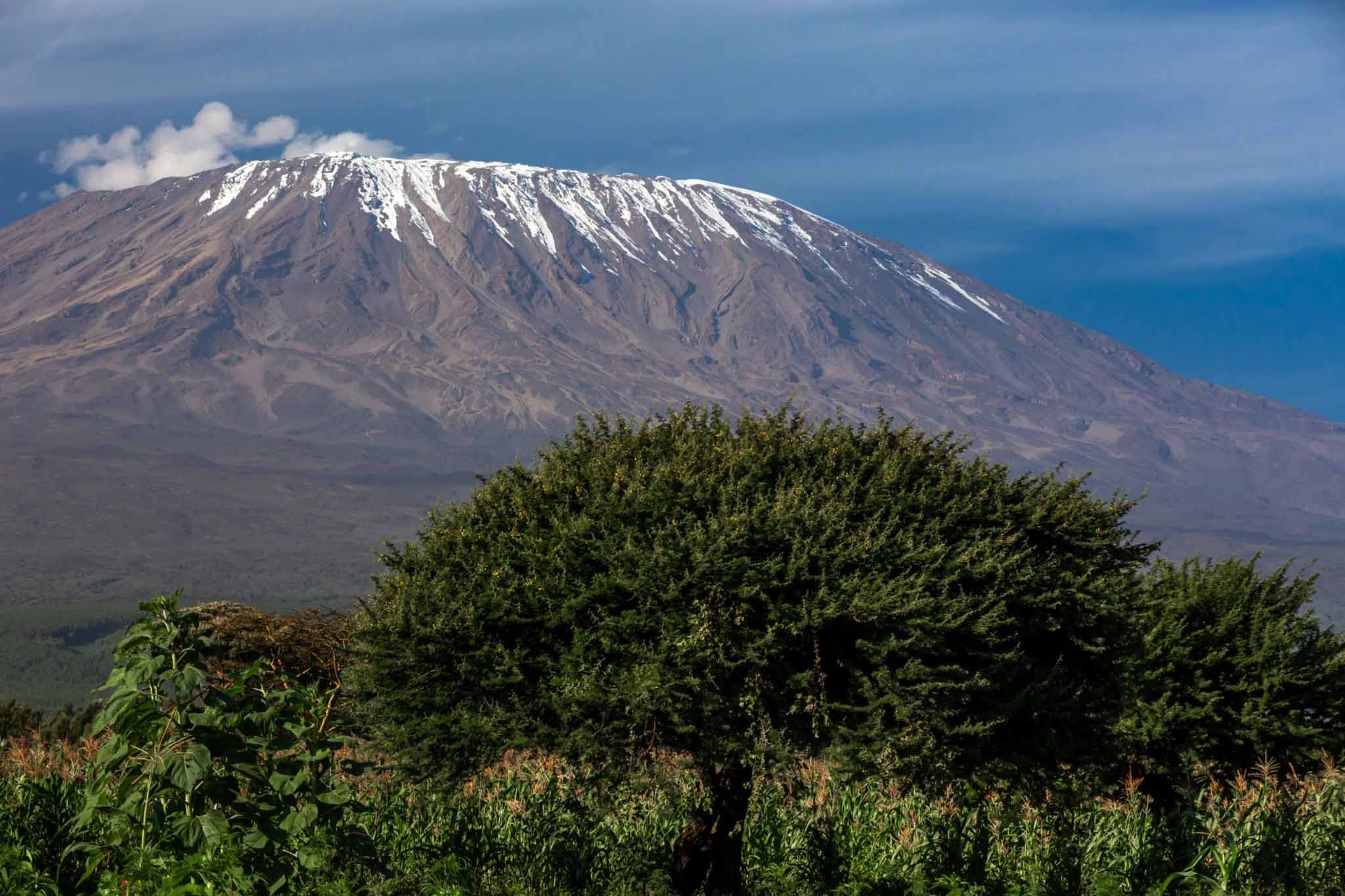
The Northern Approach
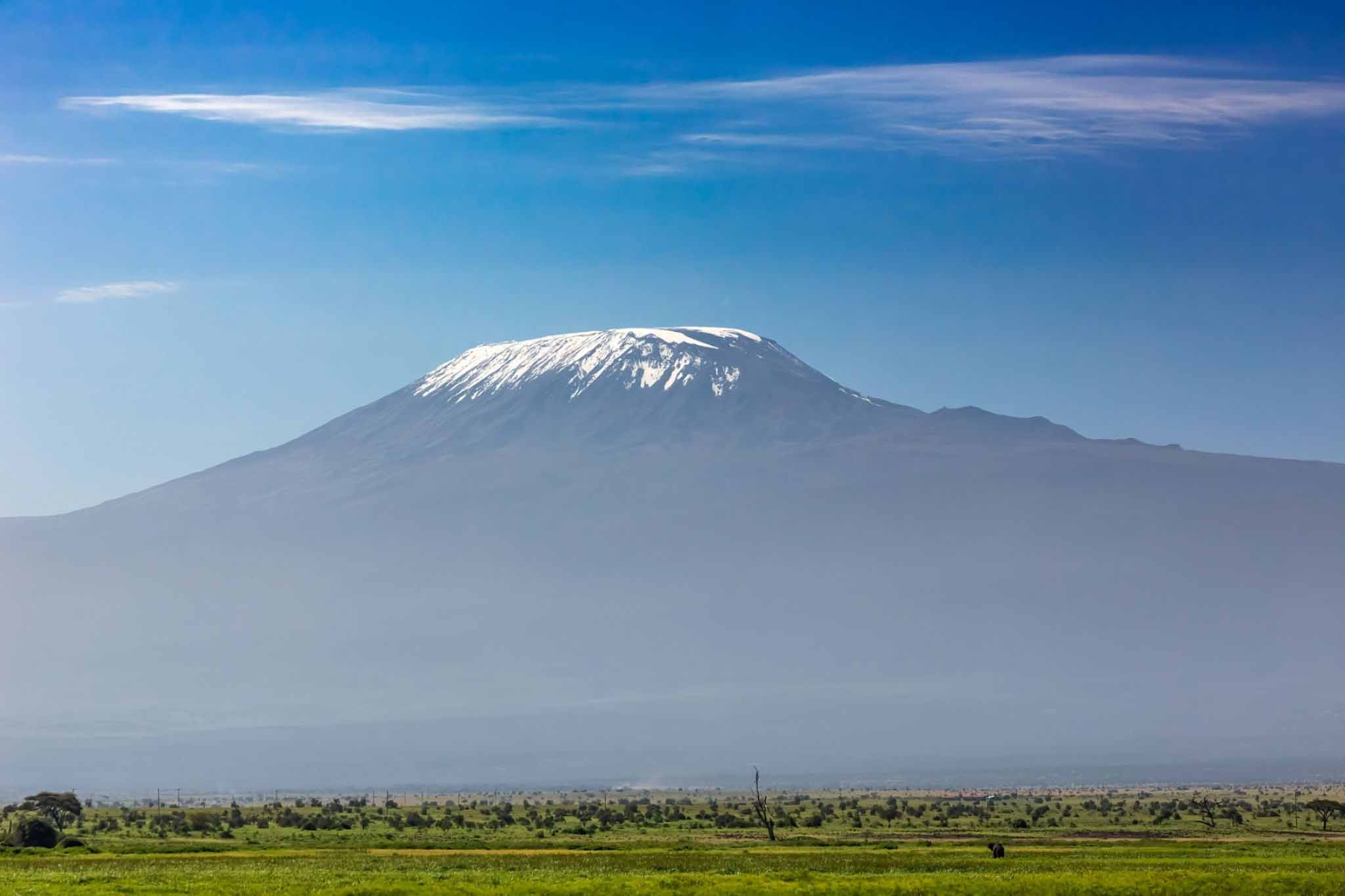
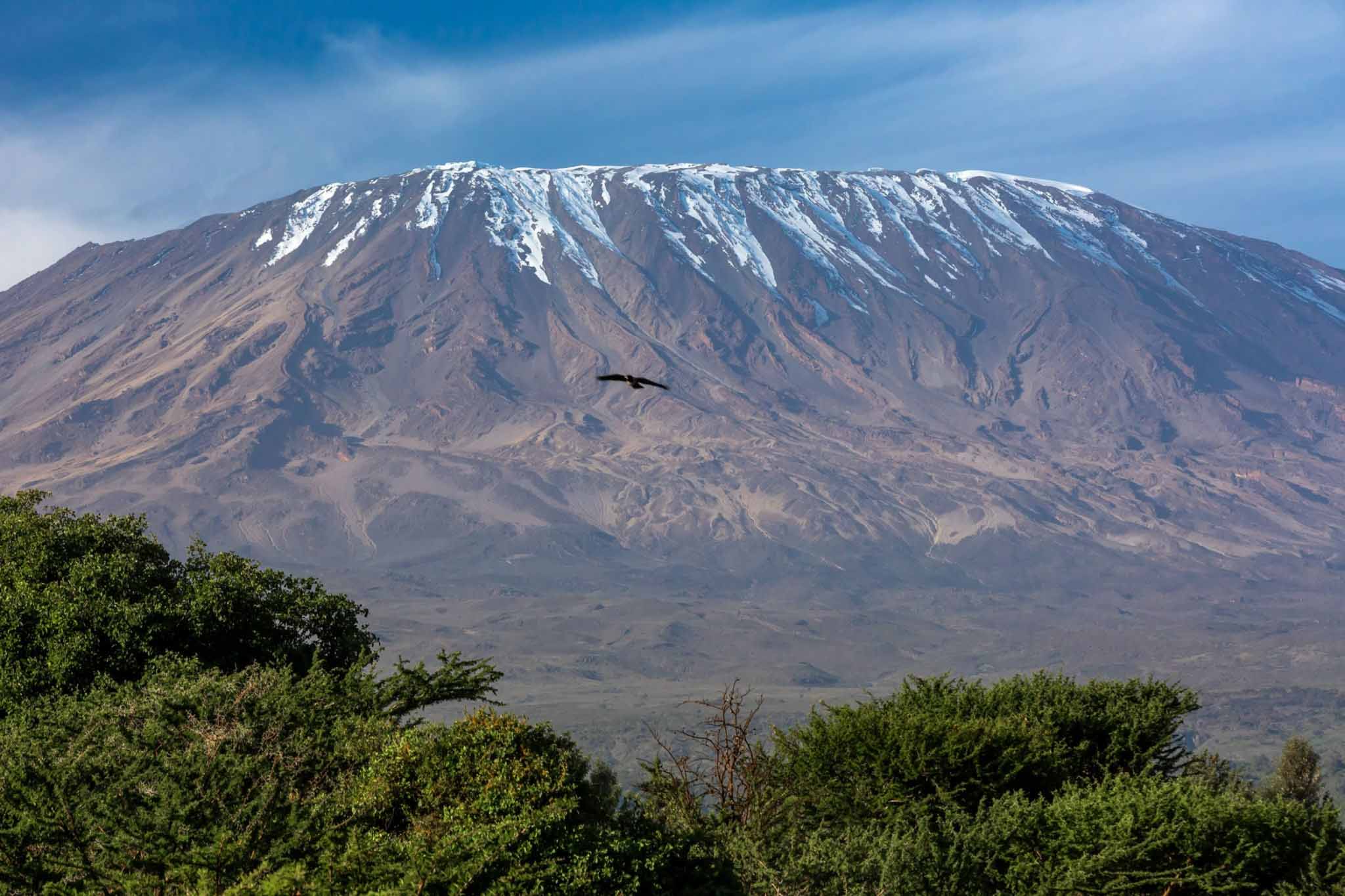
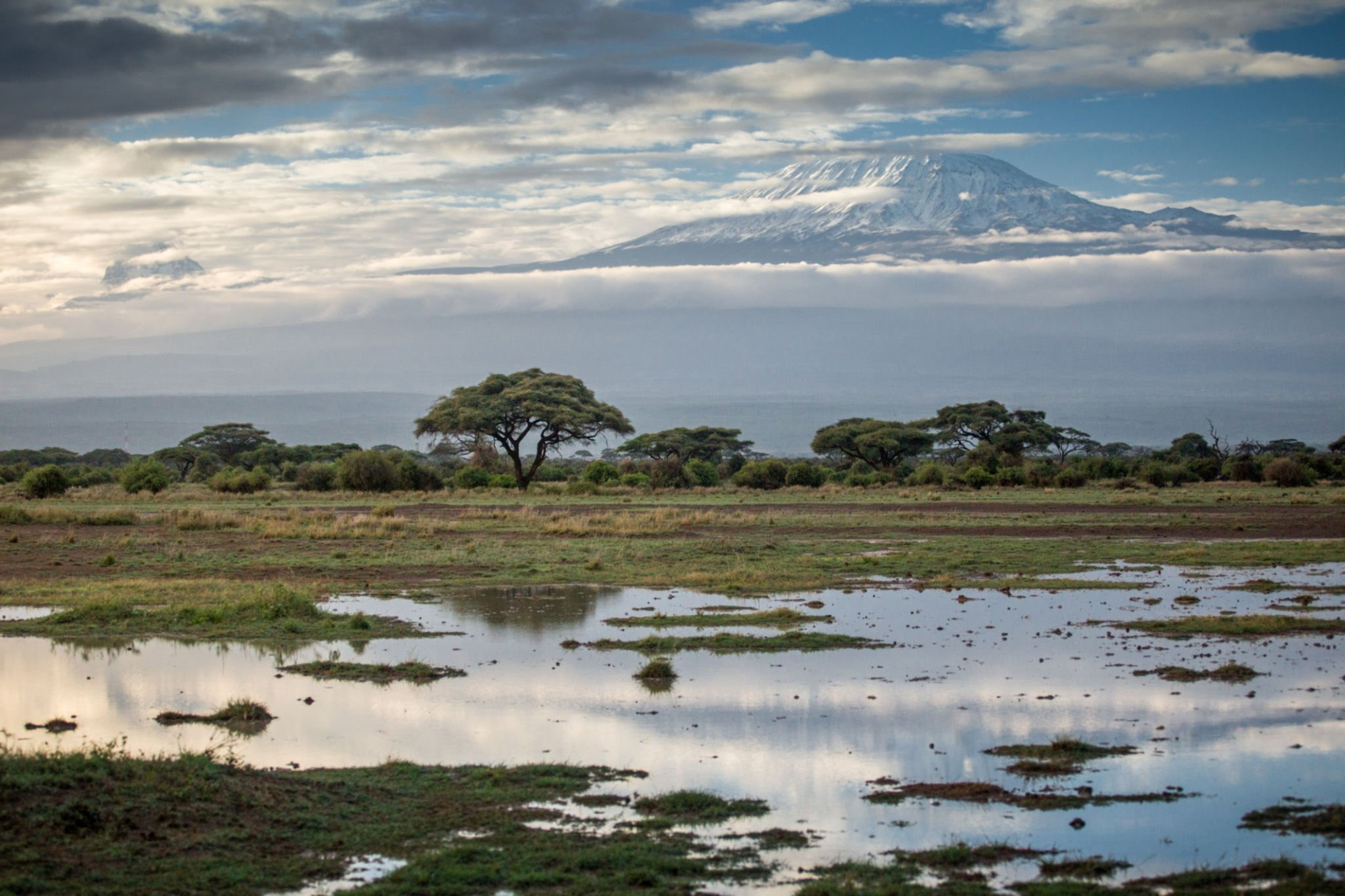
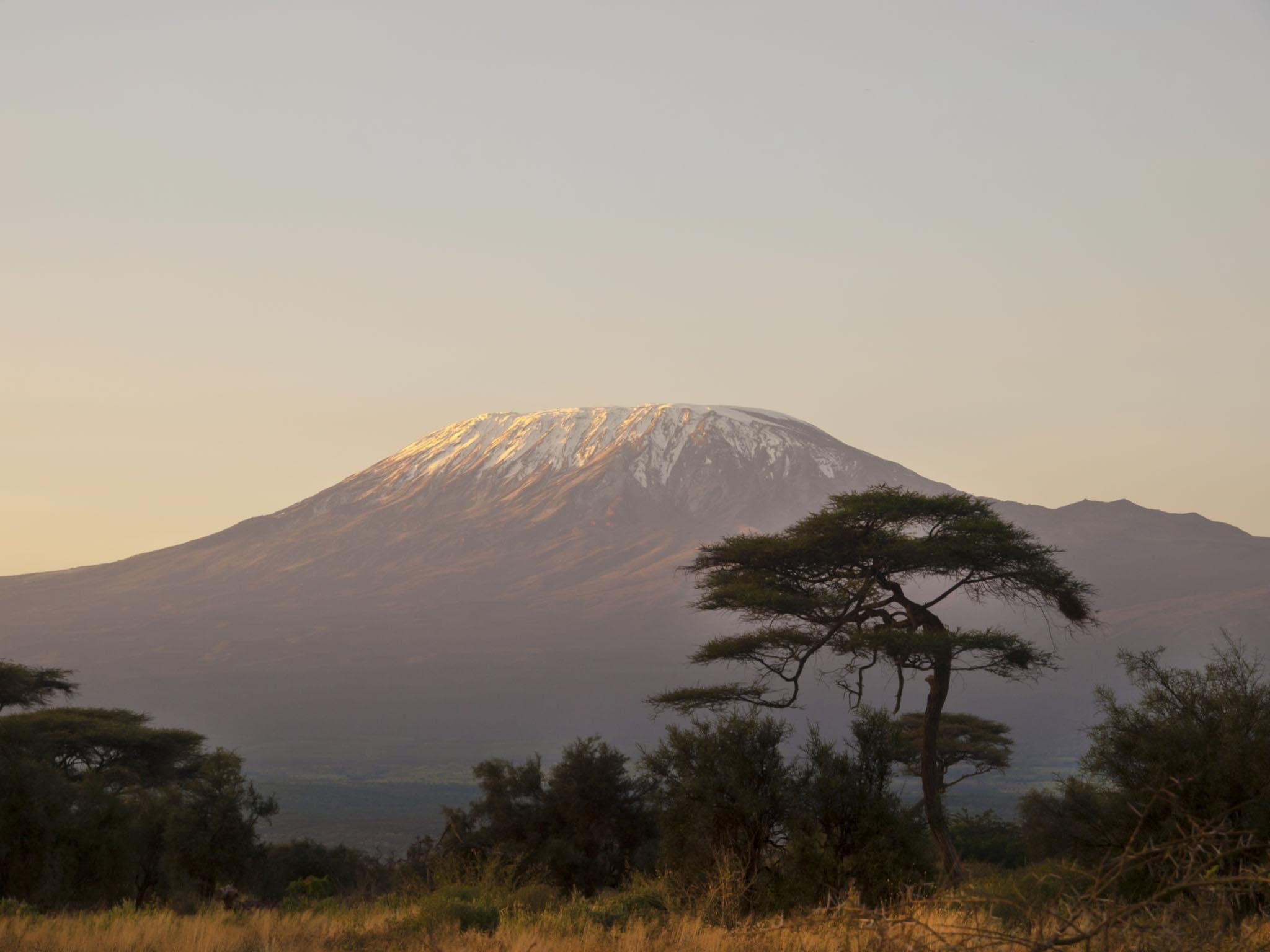
The Rongai Route is the only route that approaches Kilimanjaro from the north, entering the park near the Kenyan border and ascending through the drier, more open landscapes of the mountain’s northern flank in an experience that is noticeably different in character from the southern and western route approaches. The northern aspect means significantly less rainfall than the southern routes, making Rongai the most reliable option during the long rains season when the southern approaches can be persistently wet. The route has a gentler, more gradual gradient than Machame or Lemosho, the trail is quieter and less trafficked, and the landscapes of the northern moorland have a spare, almost austere beauty that is very different from the dramatic southern face scenery but equally compelling in its own way.
The Route
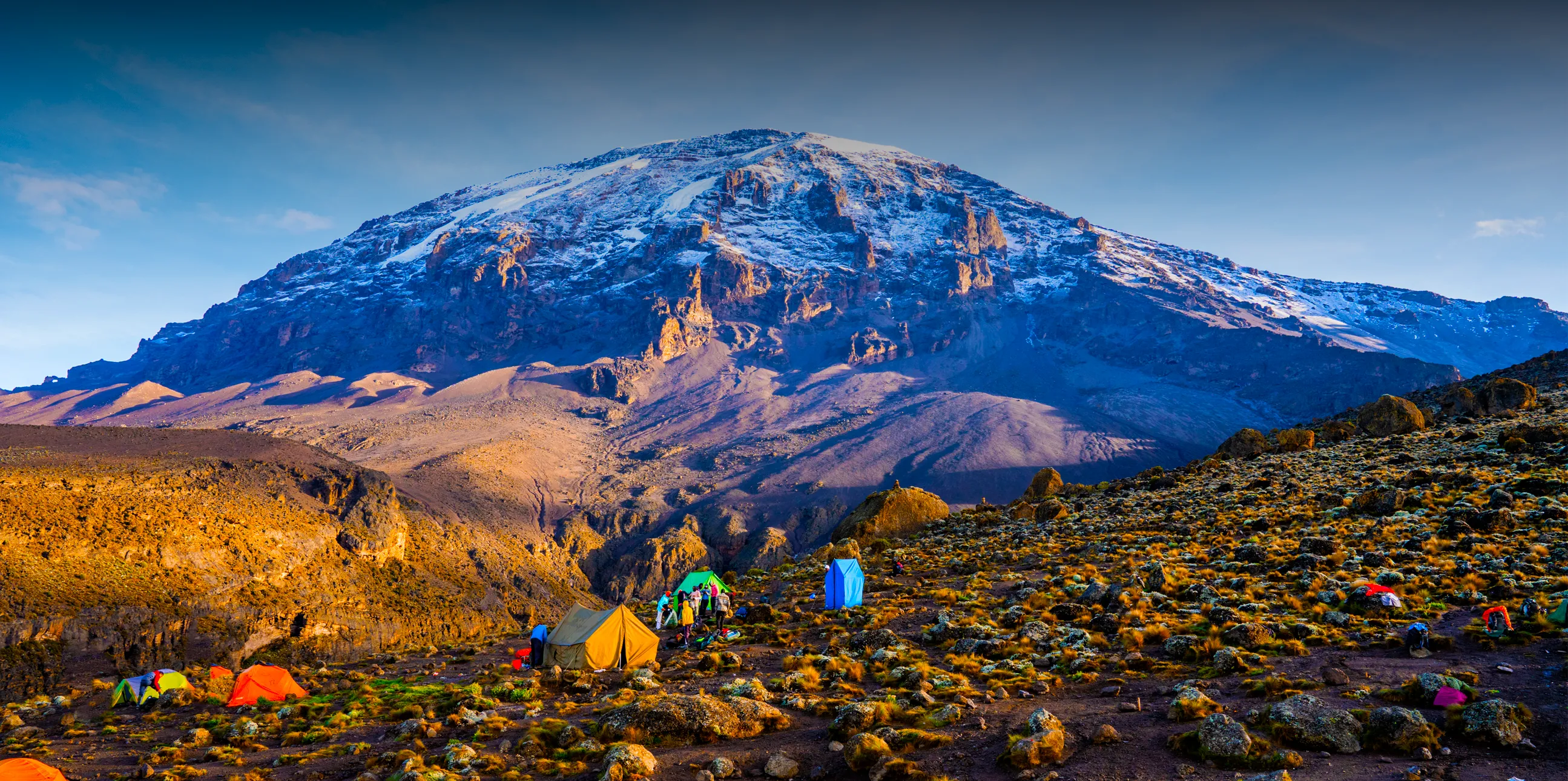
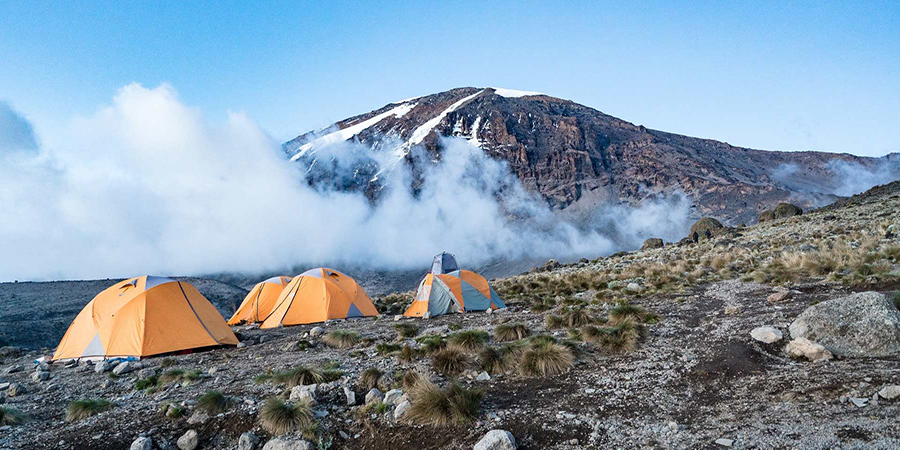
The Rongai Route begins at Rongai Gate near the town of Loitokitok on the Kenyan border, ascending through farmland and then montane forest to First Cave Camp at 2,600 metres on day one. The forest on the northern approach is drier and less dense than the southwestern forests, with a more open canopy that allows longer views through the trees and a different set of bird species than the southern routes. Day two climbs through open moorland to Second Cave Camp at 3,450 metres, with the first clear views of Kibo’s northern ice fields appearing above. Day three continues to Third Cave at 3,870 metres, with an acclimatisation excursion to approximately 4,200 metres before descending to sleep. Day four reaches Kibo Hut at 4,700 metres — the same summit launch camp used by the Marangu Route, where the two routes converge — and the summit push follows the standard midnight departure pattern, descending via the Marangu Route to Horombo and Marangu Gate.
The Experience
The Rongai Route’s greatest asset is its quietness — the northern approach sees a fraction of the traffic of the Machame and Lemosho routes, and the experience of ascending through largely uncrowded landscapes with a sense of genuine solitude is one that many climbers find deeply appealing. The descent via the Marangu Route introduces the hut infrastructure for the final two days, providing a welcome degree of comfort after the tented camps of the ascent. The northern ice fields visible from the upper sections of the route are some of the most dramatic on the mountain — massive, vertical walls of ancient glacial ice that are retreating rapidly under the pressure of climate change and whose scale and beauty create a powerful sense of both wonder and urgency.
Considerations
The Rongai Route’s acclimatisation profile is less optimal than Lemosho or the seven-day Machame, and the standard six-day itinerary should be extended to seven days wherever possible. The descent via Marangu means that the route does not complete a full circuit of the mountain — a characteristic that reduces the overall scenic variety compared to the routes that ascend and descend via different paths. The drive to Rongai Gate from Arusha or Moshi is the longest of any Kilimanjaro route approach, adding a half-day of travel to the beginning of the trip. These are minor considerations against the route’s genuine strengths — its dryness, its quietness, and the distinctive beauty of the northern landscape make Rongai a genuinely excellent choice, particularly for climbers travelling during the southern rain seasons.