The Ultimate Guide to Africa’s Greatest Wildlife Spectacle
Northern Tanzania | 14,763 km² | UNESCO World Heritage Site
The Serengeti is not merely a national park — it is a living legend. Stretching across 14,763 square kilometres of northern Tanzania, this vast savannah ecosystem is the stage for one of the most dramatic wildlife events on Earth. For travellers asking when is the best time to visit Serengeti National Park for the Great Migration, the honest answer is: any month offers something extraordinary, but the calendar shapes a completely different experience. This guide walks you through habitat, wildlife, seasons, and what to genuinely expect on the ground.
Habitat & Landscape
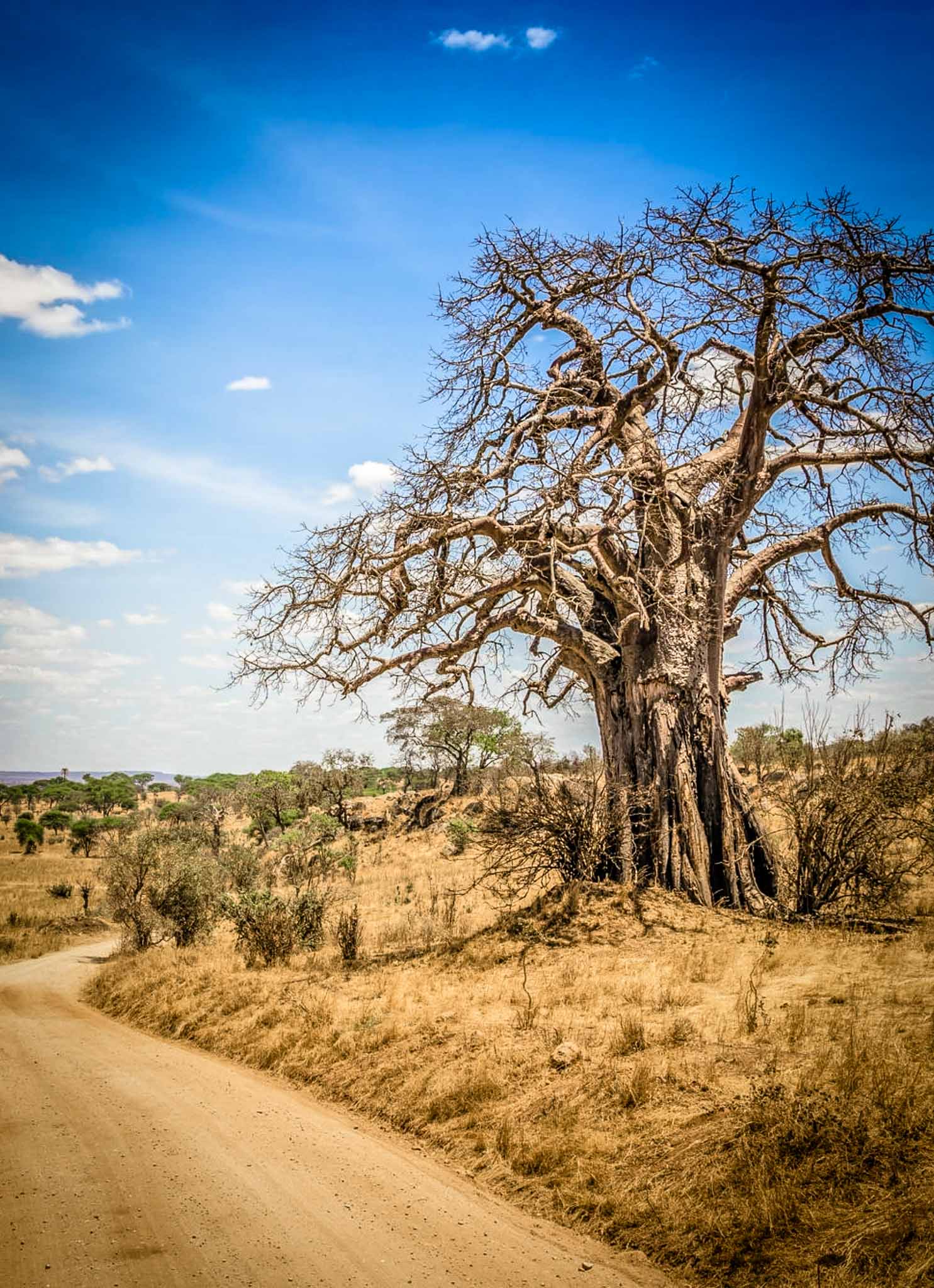
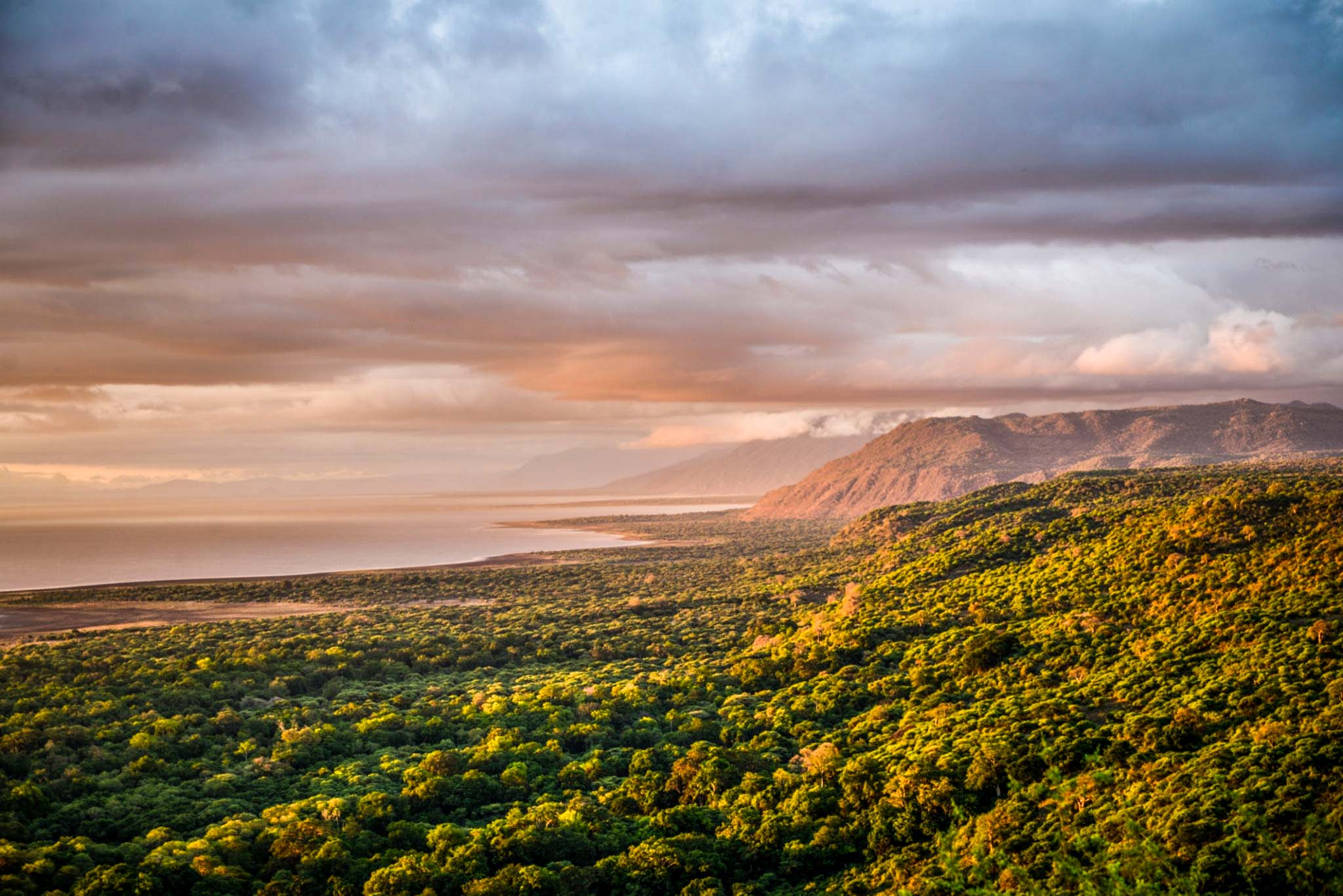
The Serengeti is not a monolith. Depending on where you are in the park, you might feel you are on a different continent. The southern short-grass plains — the Ndutu region — are wide, flat, and almost treeless, perfect for cheetah hunts and February calving. The western corridor is ribboned with the Grumeti River, lined with fever trees and home to massive Nile crocodiles. To the north, the Lobo and Lamai regions share an ecosystem with Kenya’s Masai Mara, with rolling hills and dense woodland perfect for resident lion prides. Each zone rewards a different kind of traveller — the Ndutu plains are paradise for photographers during calving, while the Lamai Wedge in the north offers the closest experience of the Mara River crossings without crossing into Kenya.
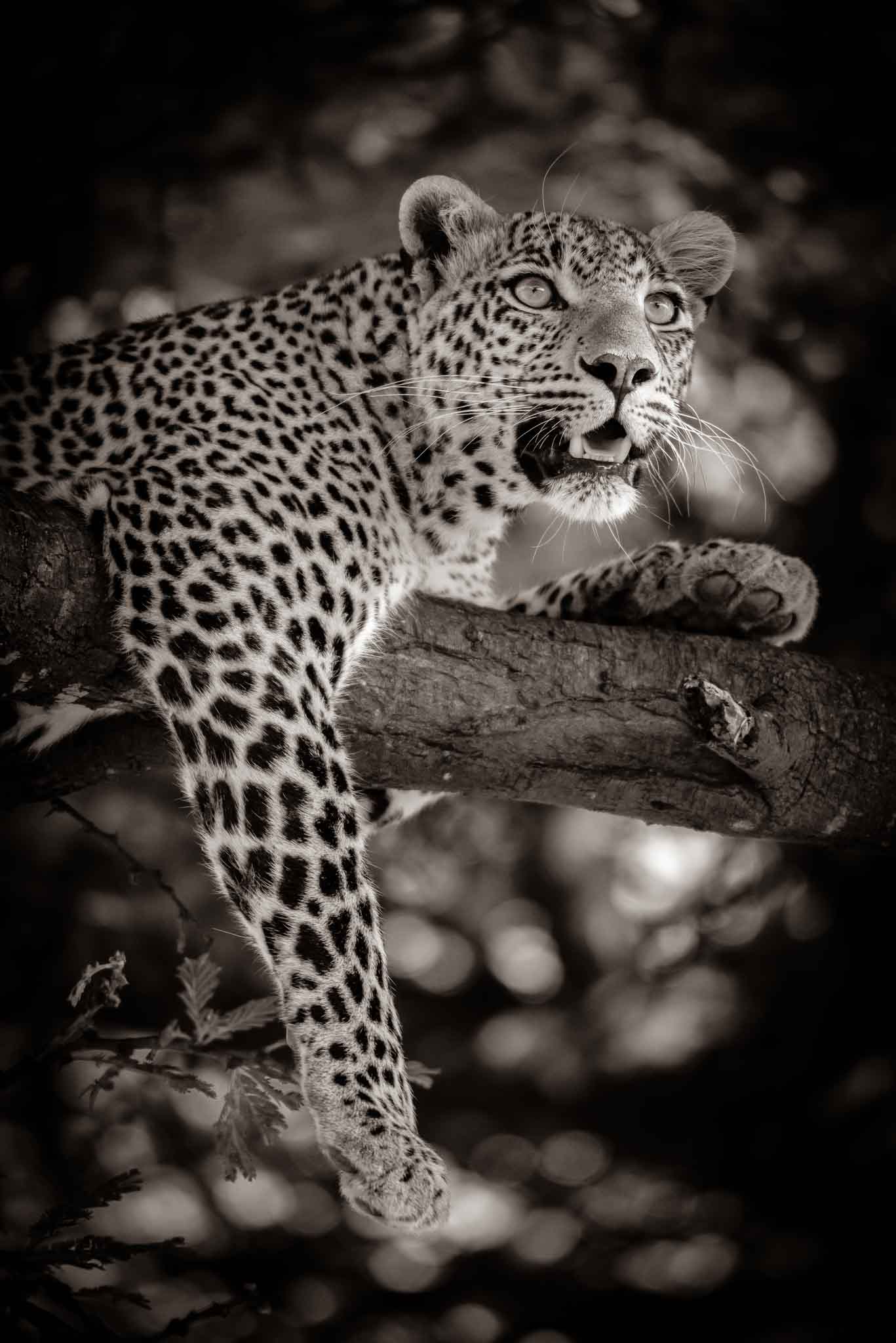
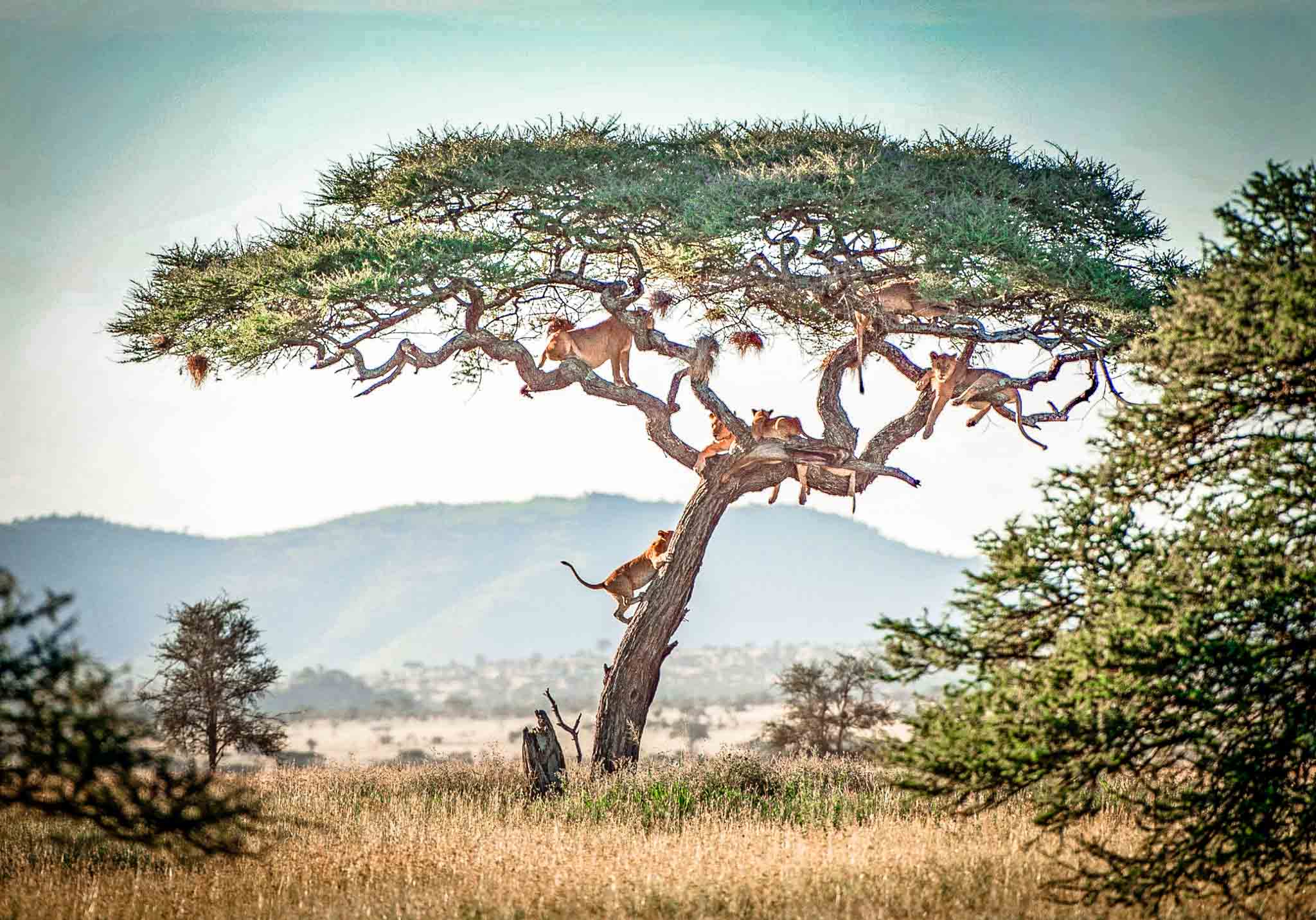
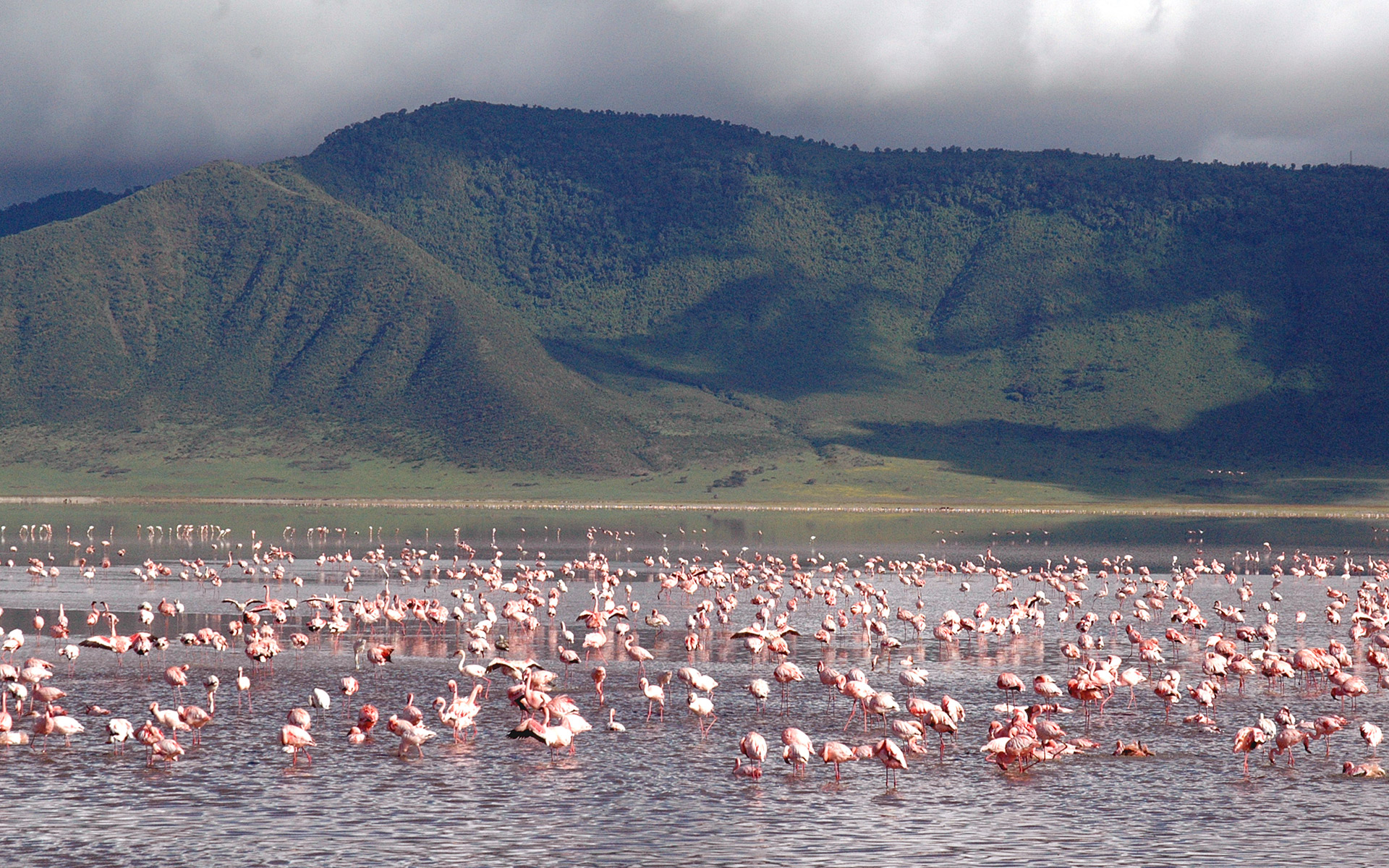
The central Seronera Valley is the Serengeti’s most visited zone, watered by the Seronera River year-round. Acacia woodlands here shelter leopards that drape themselves across branches, while hippo pools attract bird life in remarkable variety. Over 500 bird species have been recorded in the park — making Serengeti bird watching during the green season a genuinely underrated pursuit for ornithologists and casual bird lovers alike. The lilac-breasted roller, secretarybird, kori bustard, and dozens of raptor species are among the highlights.
The Great Migration — Month by Month
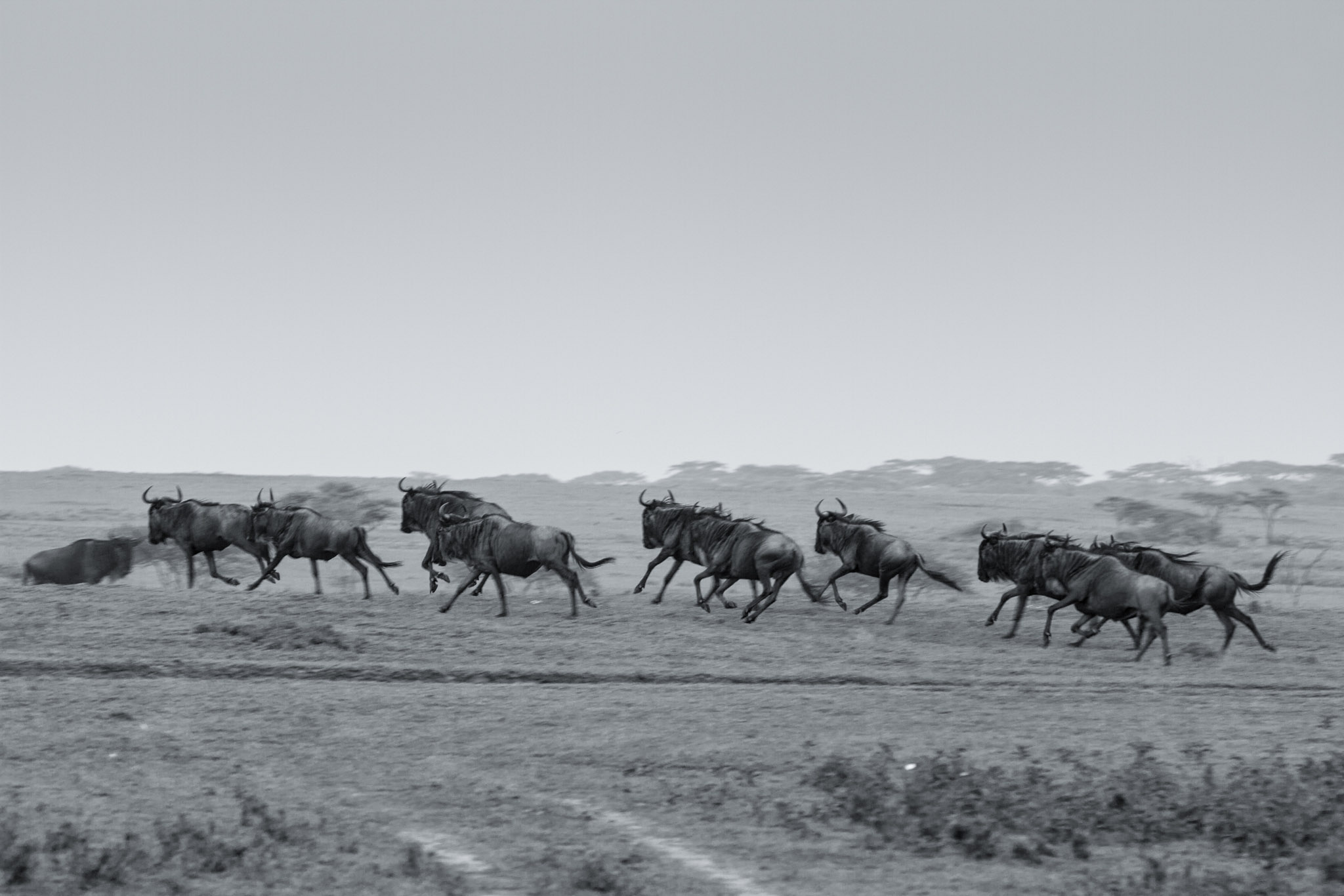
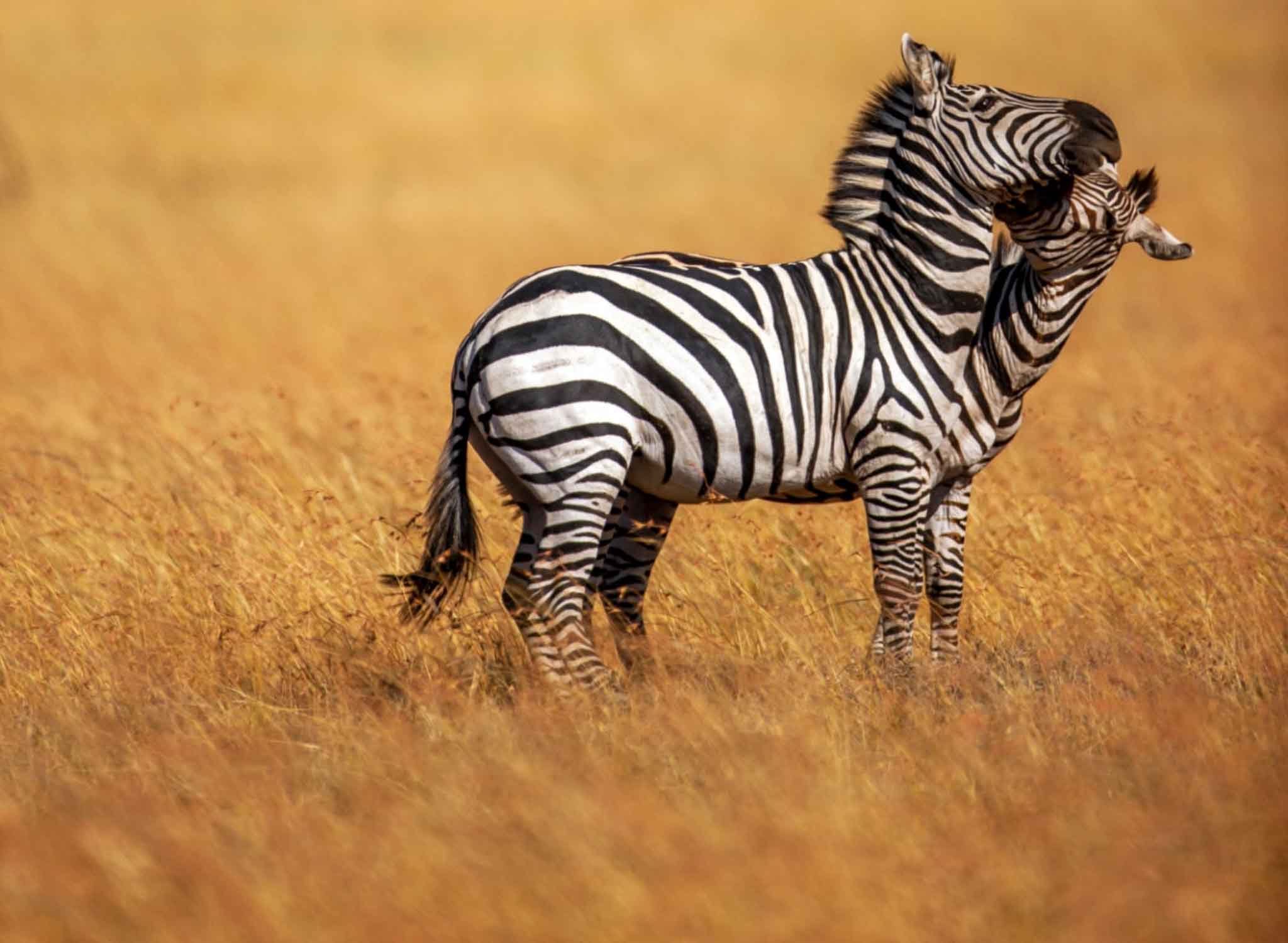
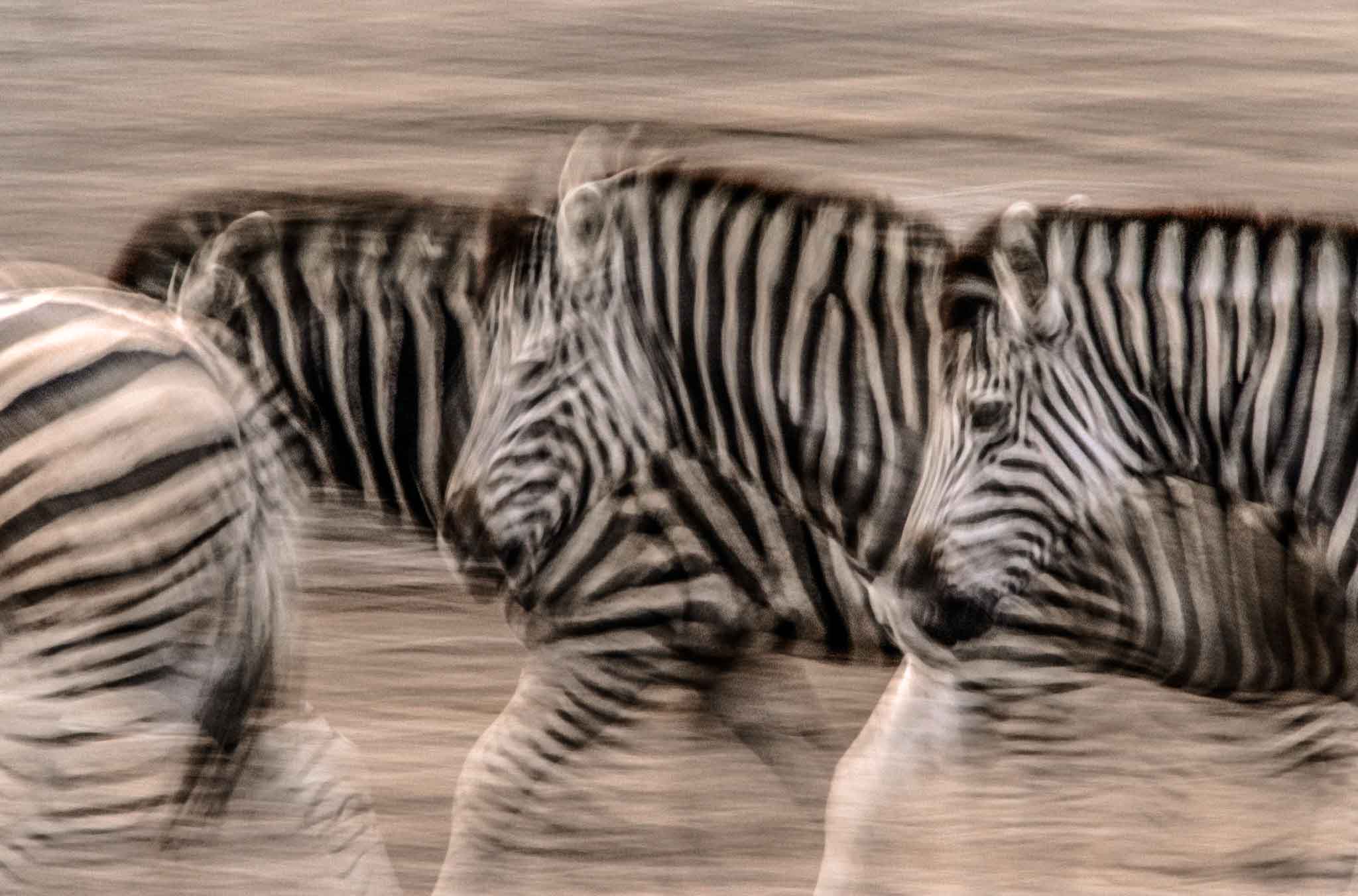
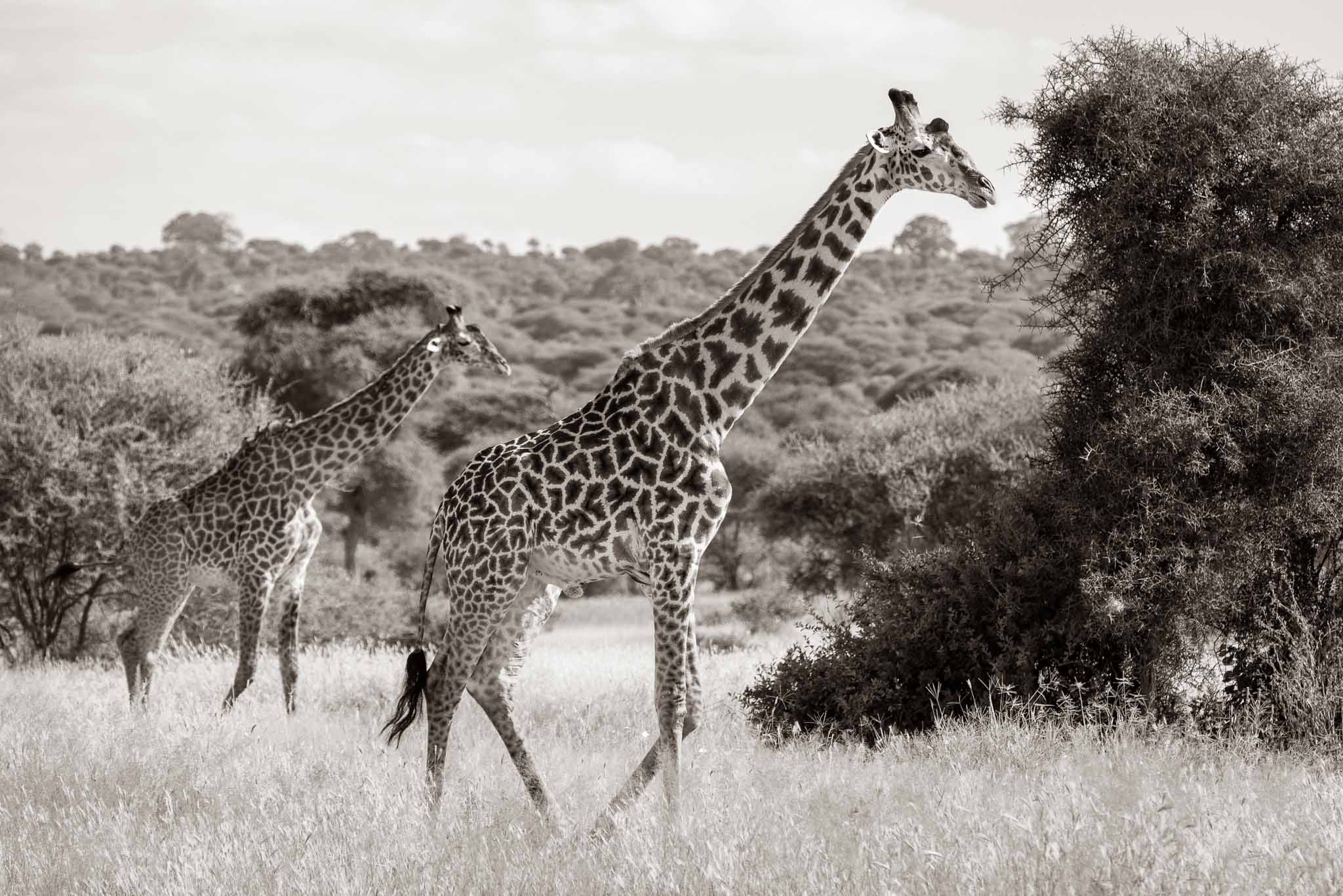
The Great Migration involves over 1.5 million wildebeest, 400,000 zebra, and 200,000 Thomson’s gazelle moving in a roughly circular annual journey. Understanding the movement patterns is essential for planning a high-impact safari. What most visitors do not realise is that the migration is not a single event — it is a continuous, year-round movement shaped entirely by rainfall and grass growth. The herds follow the rain. They always have.
| Month | Migration Location | Key Event | Best For |
|---|---|---|---|
| January – February | Southern Plains (Ndutu) | Calving season — 8,000 calves born daily | Big cat action, newborns |
| March – April | Central & Western | Herds begin moving northward | Green season, fewer crowds |
| May – June | Western Corridor | Grumeti River crossings | Dramatic river crossings |
| July – August | Northern Serengeti (Lamai) | Mara River crossings begin | Most dramatic crossings |
| September – October | Northern / Mara Triangle | Ongoing Mara crossings | Peak crossing action |
| November – December | Heading south again | Short rains, herds scattered | Off-peak, great value |
The calving season (January–February) is one of the most underappreciated periods to visit. Nearly 8,000 wildebeest calves are born each day, and the concentration of predators — cheetahs, lions, leopards, and hyenas — that gather on the southern plains in response creates some of the most intense big cat action of the entire year. Serengeti calving season photography workshops in Ndutu have become a specialist travel niche, with professional wildlife photographers booking months in advance for this brief window.
Wildlife: Residents & Visitors
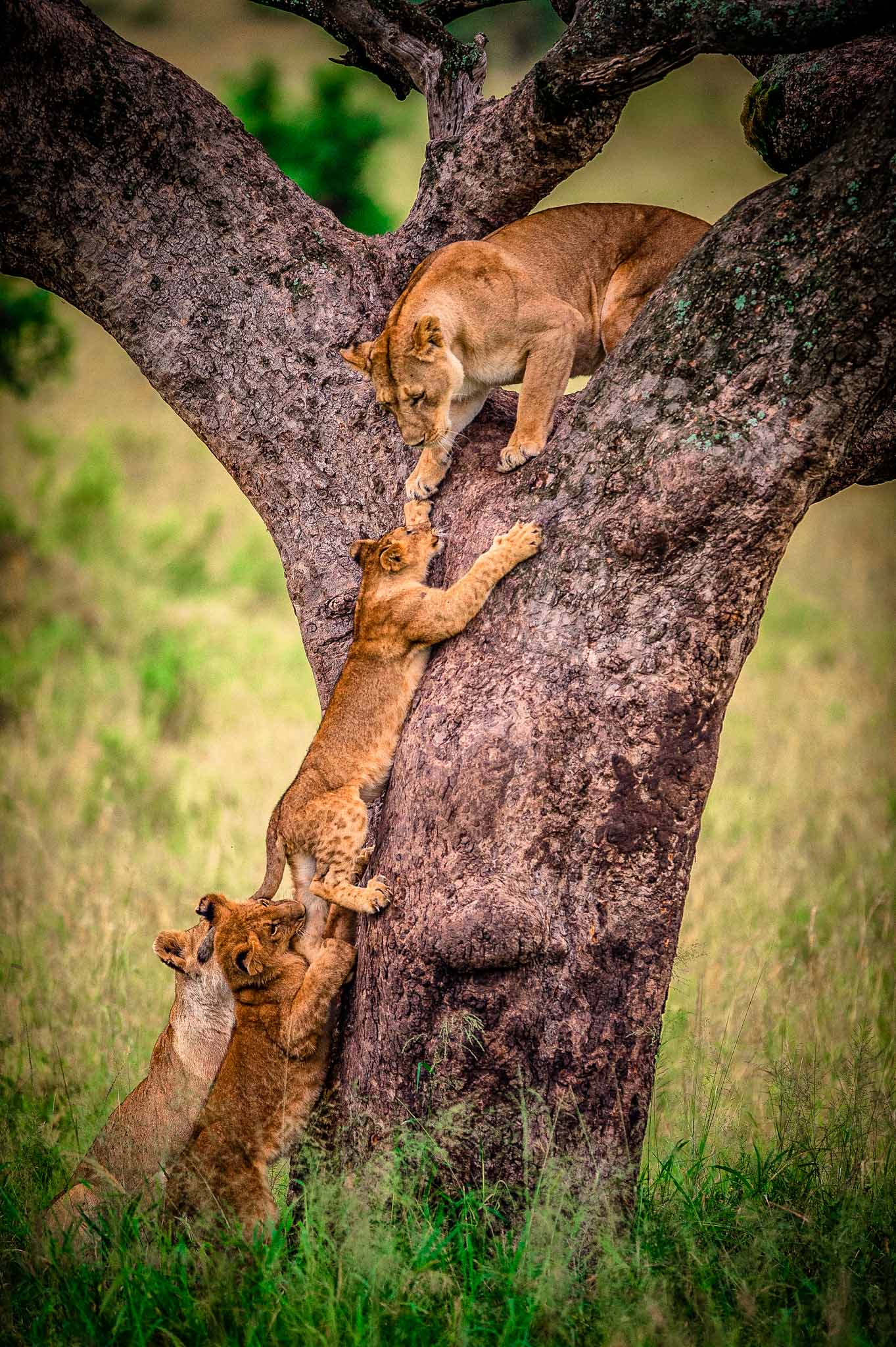
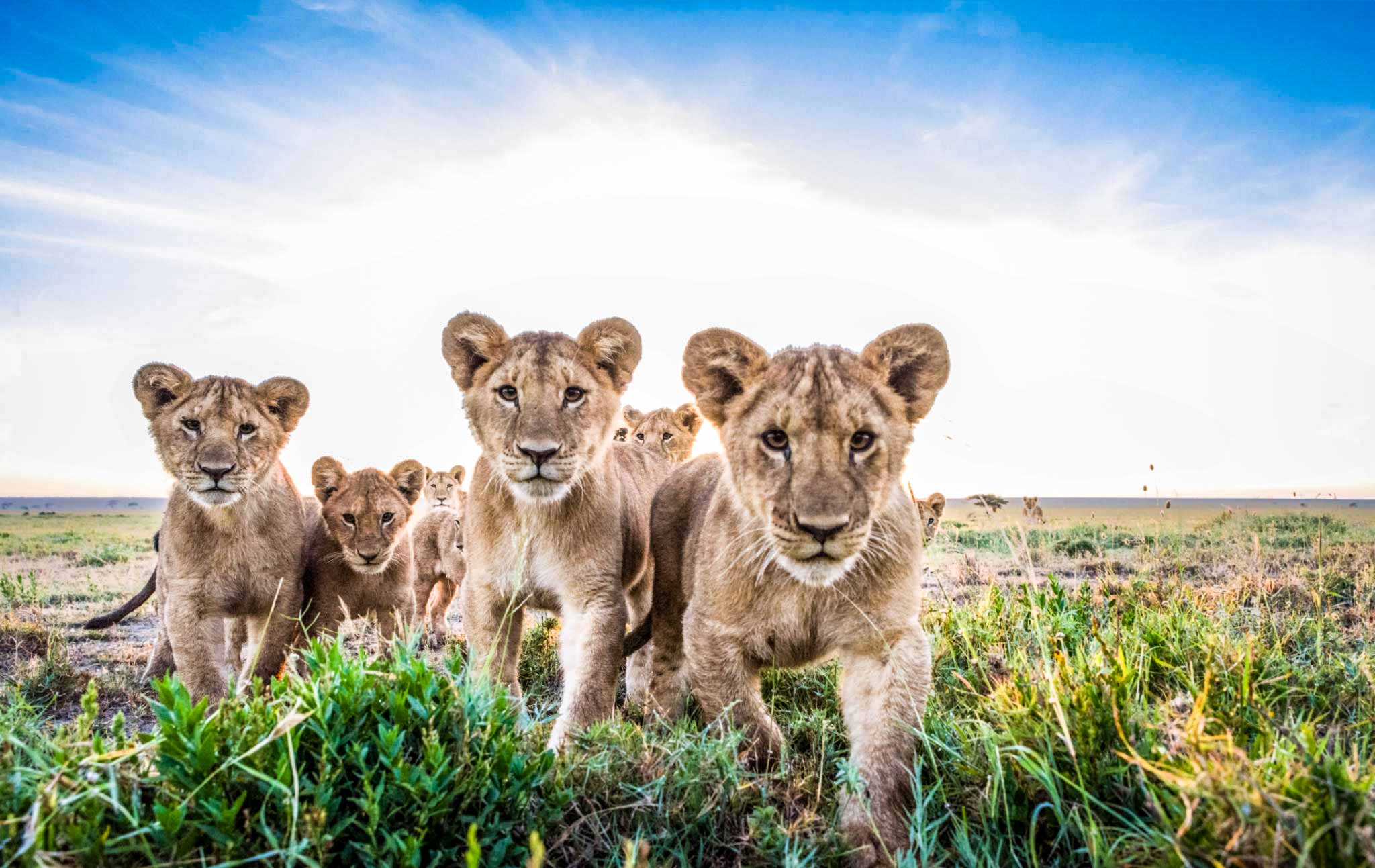
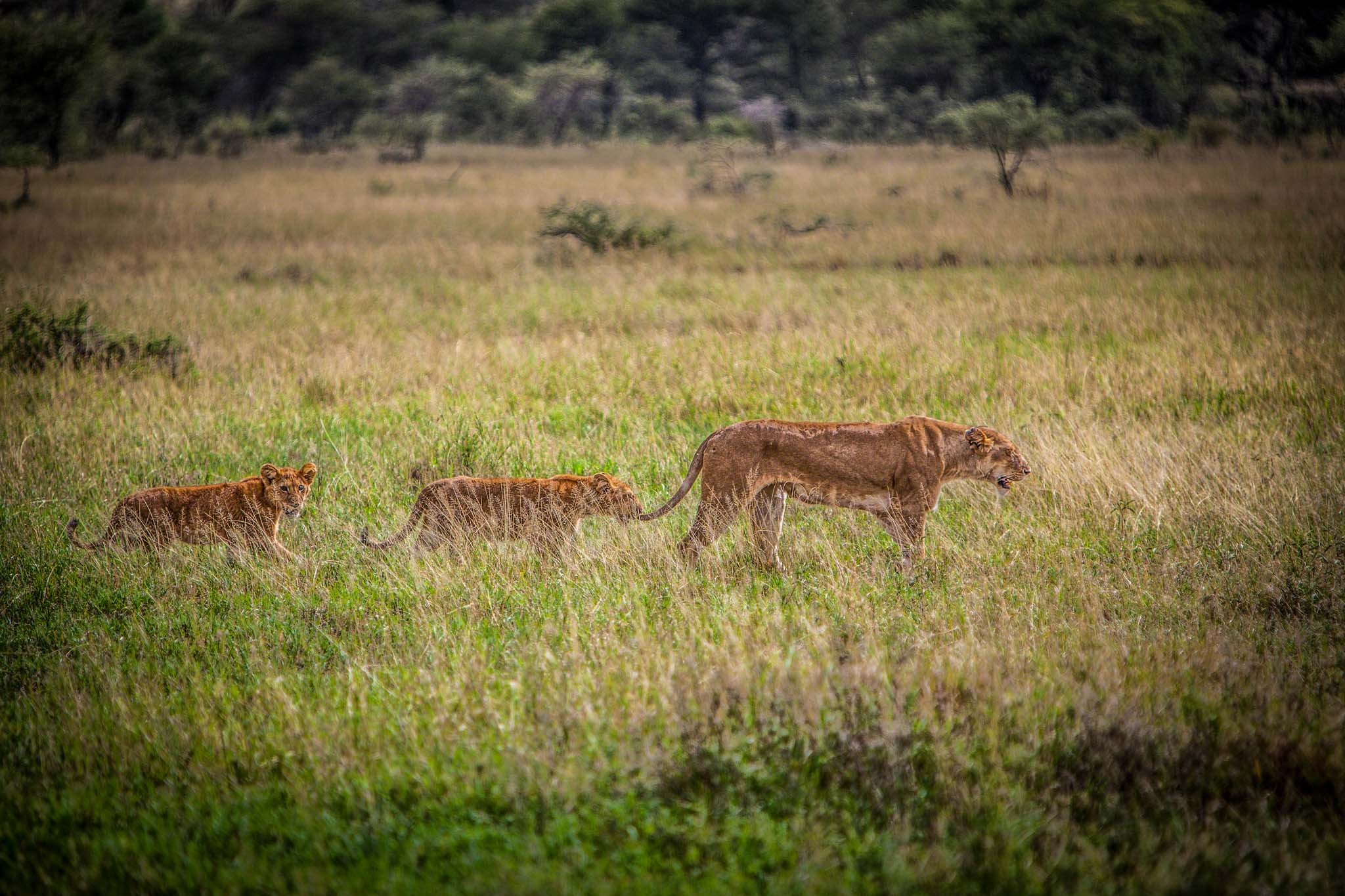
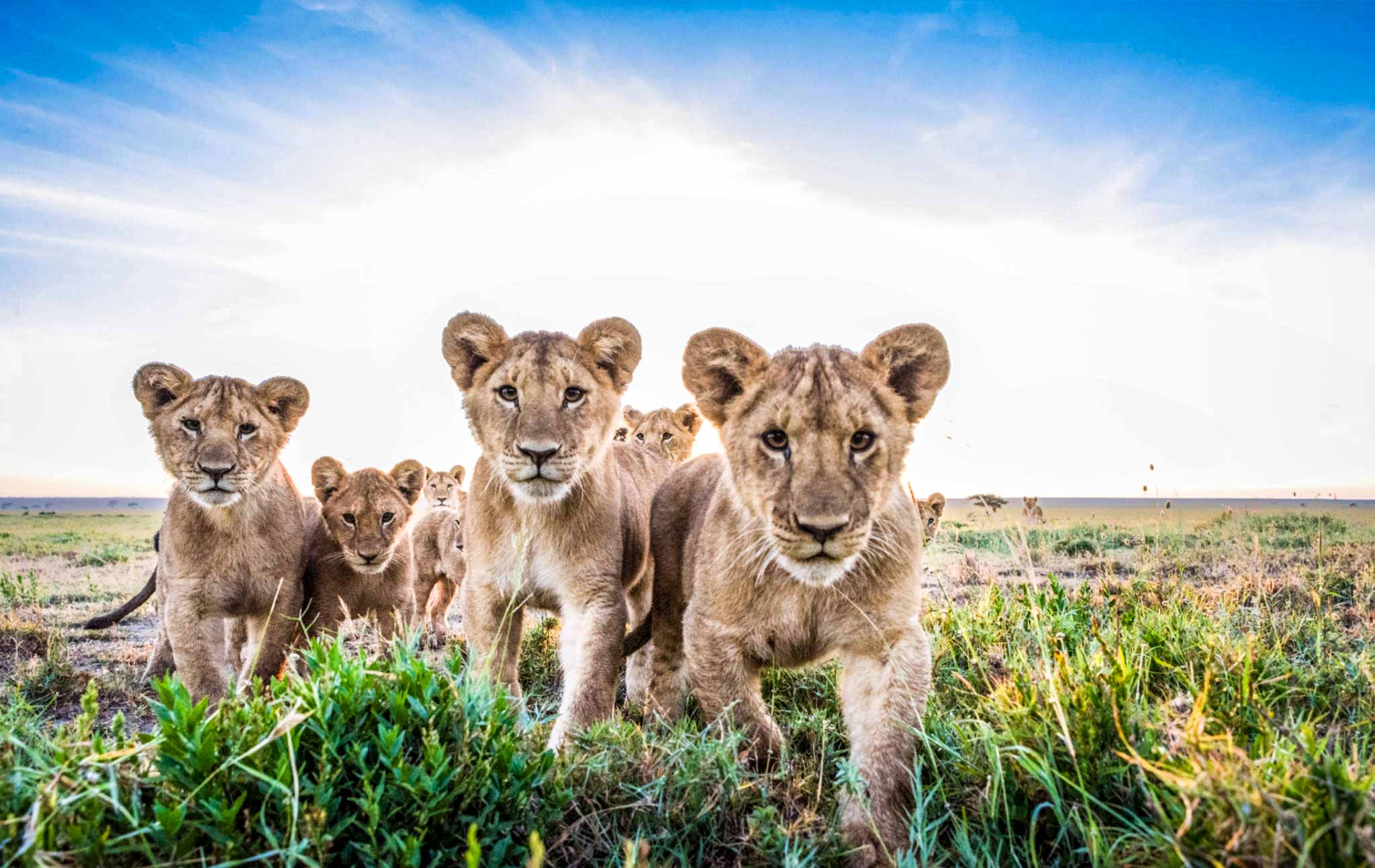
Beyond the migration, the Serengeti holds one of Africa’s densest populations of lions — an estimated 3,000 individuals. Travellers specifically searching for Serengeti lion pride tracking in the Seronera Valley are rarely disappointed; the valley’s rock kopjes serve as favourite resting spots for entire prides. Leopards are secretive but present throughout the woodlands, while cheetahs prefer the open southern plains where speed gives them an advantage.
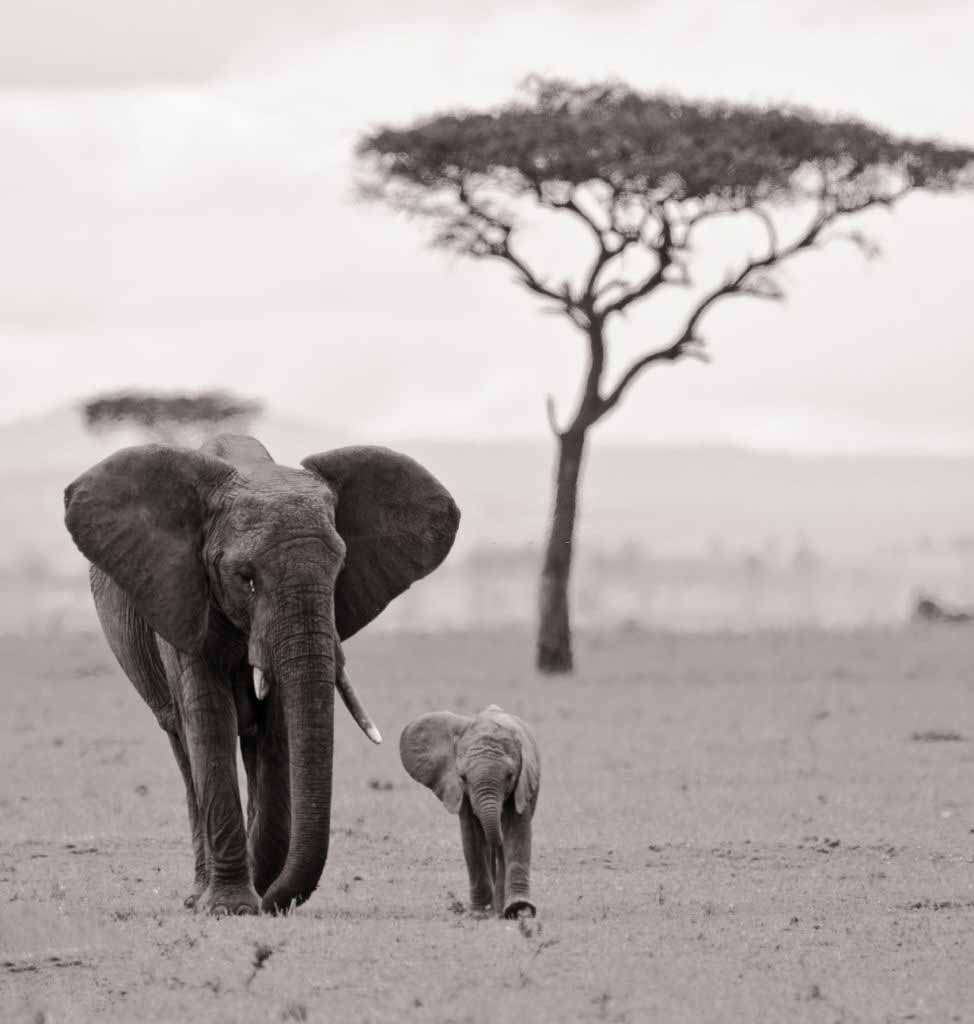
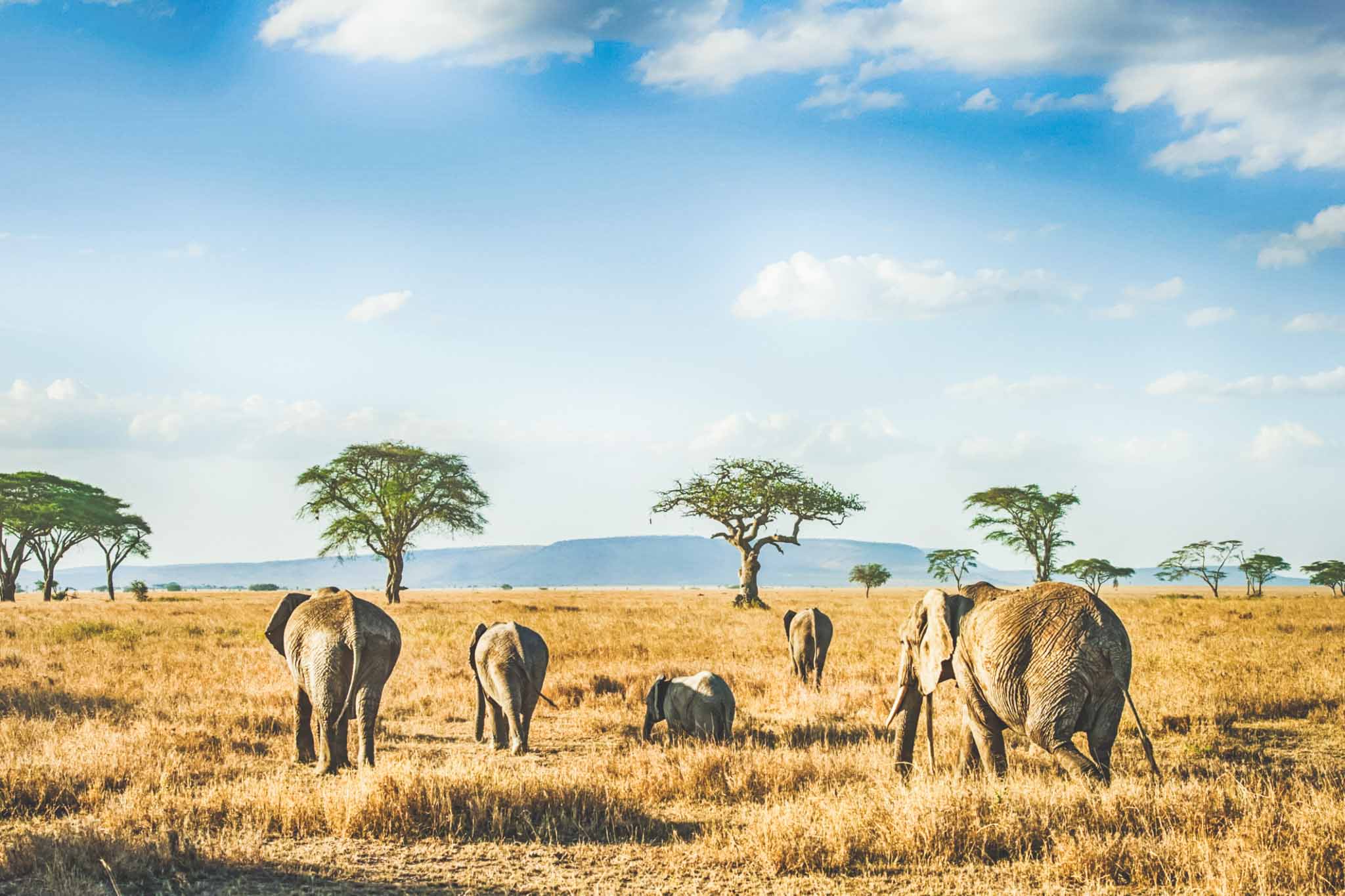
The park is one of the last places on Earth to see all of the Big Five in a single day — lion, leopard, elephant, buffalo, and rhino, with black rhino sightings occurring in the Moru Kopjes area. African wild dogs, while not commonly seen, pass through the ecosystem periodically, and spotted hyenas are so abundant in some areas that their nighttime calls are the park’s constant soundtrack. For reptile enthusiasts, the Grumeti River holds Nile crocodiles of extraordinary size — individuals over 5 metres have been recorded.
Seasons & Weather
| Season | Months | Rainfall | Temperature | Visitor Volume |
|---|---|---|---|---|
| Dry Season (Peak) | June – October | Minimal | 15–28°C | High |
| Short Rains | November – December | Light showers | 20–30°C | Low–Medium |
| Long Rains | March – May | Heavy, daily | 18–28°C | Low |
| Green Season | January – February | Occasional | 22–32°C | Medium |
Experiences & Activities
Hot air balloon safari over the Serengeti at sunrise is arguably the most iconic activity in all of East Africa. Floating silently above herds of wildebeest as the morning mist burns away is an experience no ground-level game drive can replicate. Ballooning operates year-round from Seronera and costs approximately USD 600 per person, ending with a champagne breakfast in the bush.
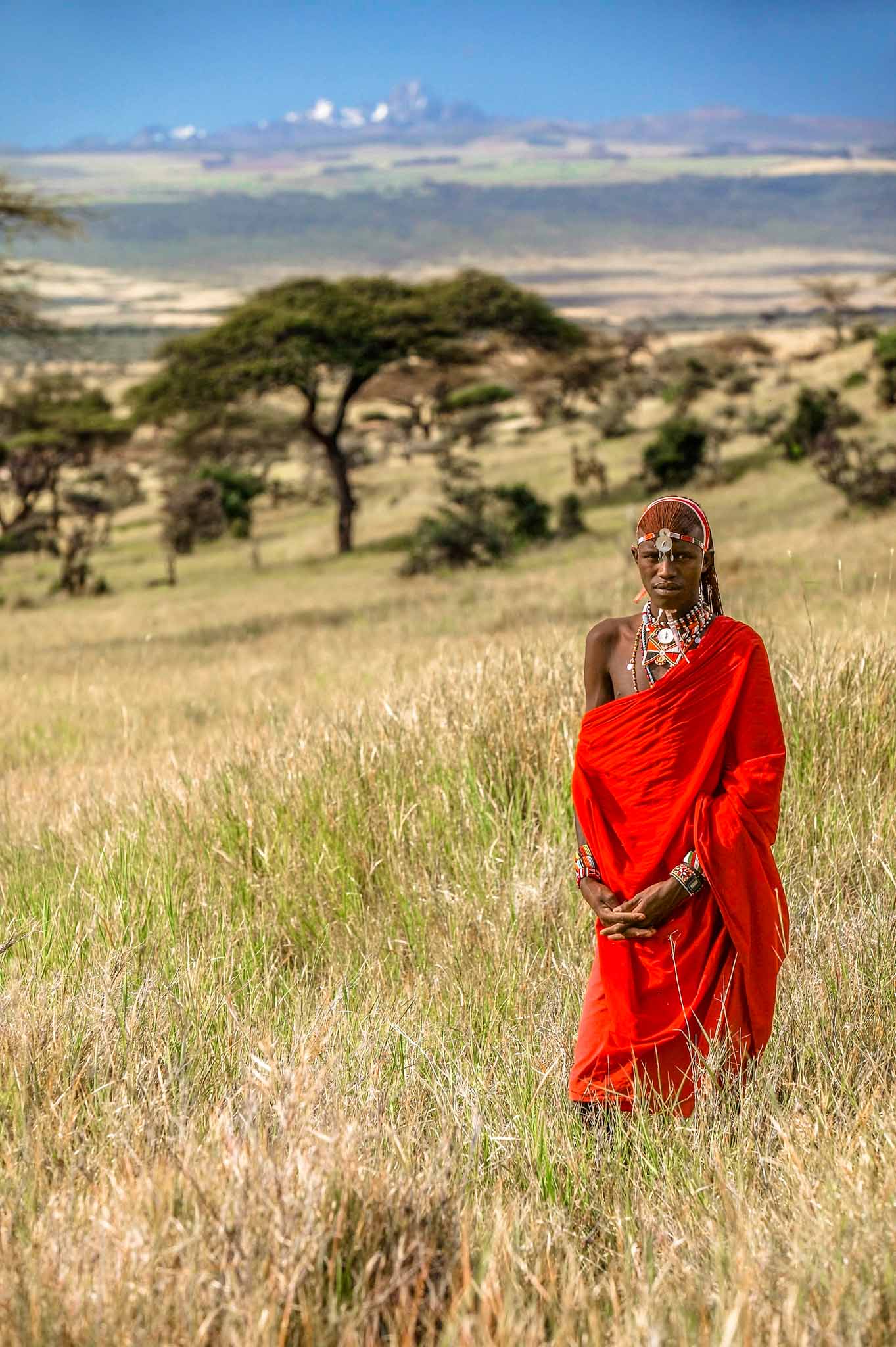
Walking safaris in the Serengeti are available with licensed operators in designated zones, offering guided walking safari in Serengeti with armed ranger experiences that reconnect you with the landscape at a primal level. Mobile tented camps move seasonally to follow the migration, making mobile camp luxury safari following the Great Migration one of the most sought-after bookings on the continent. Cultural visits to Maasai villages on the park boundary add a human dimension to the wildlife experience — the Maasai have coexisted with these animals for centuries, and their ecological knowledge runs deep.
Night game drives are not permitted inside the national park itself, but several private concession areas bordering the Serengeti offer night game drive Serengeti private conservancy spotlighting nocturnal wildlife, where bush babies, genets, aardvarks, and the elusive porcupine emerge after dark.
Where to Stay in the Serengeti
ACCOMMODATION GUIDE — SERENGETI
| Property | Category | Location Zone | Approx. Price/Night | Best Season | Highlights |
|---|---|---|---|---|---|
| Singita Grumeti | Ultra-Luxury Lodge | Western Corridor | USD 2,500+ | June–July | Private concession, exclusive game drives |
| Four Seasons Safari Lodge | Luxury Lodge | Seronera (Central) | USD 1,200–1,800 | Year-round | Infinity pool overlooking waterhole |
| Nomad Serengeti Safari Camp | Luxury Mobile Camp | Moves with migration | USD 900–1,400 | July–October | Follows the Great Migration |
| Serengeti Bushtops | Luxury Tented Camp | Northern Serengeti | USD 1,000–1,500 | July–October | Mara River proximity |
| Kubu Kubu Tented Lodge | Mid-Range | Central Serengeti | USD 400–700 | Year-round | Value for money, good location |
| Seronera Wildlife Lodge | Budget–Mid | Central (Seronera) | USD 150–250 | Year-round | Only budget lodge inside the park |
| Kati Kati Tented Camp | Budget | Central Serengeti | USD 120–200 | June–March | Simple, authentic bush feel |
| Public Campsites (TANAPA) | Camping | Multiple zones | USD 30–50 pp | Year-round | Basic facilities, self-sufficient setup |
Prices are approximate per person sharing and vary significantly by season. High season (July–October) commands peak rates.
Practical Information
| Detail | Information |
|---|---|
| Park Entry Fee | USD 82 per adult per day (non-resident) |
| Best Airport | Seronera Airstrip (central) or Kilimanjaro International |
| Recommended Stay | Minimum 3 nights; 5–7 nights for migration |
| Malaria Risk | High — prophylaxis strongly recommended |
| Currency | Tanzanian Shilling (TZS); USD widely accepted |
| Best Booked | 6–12 months in advance for peak season |