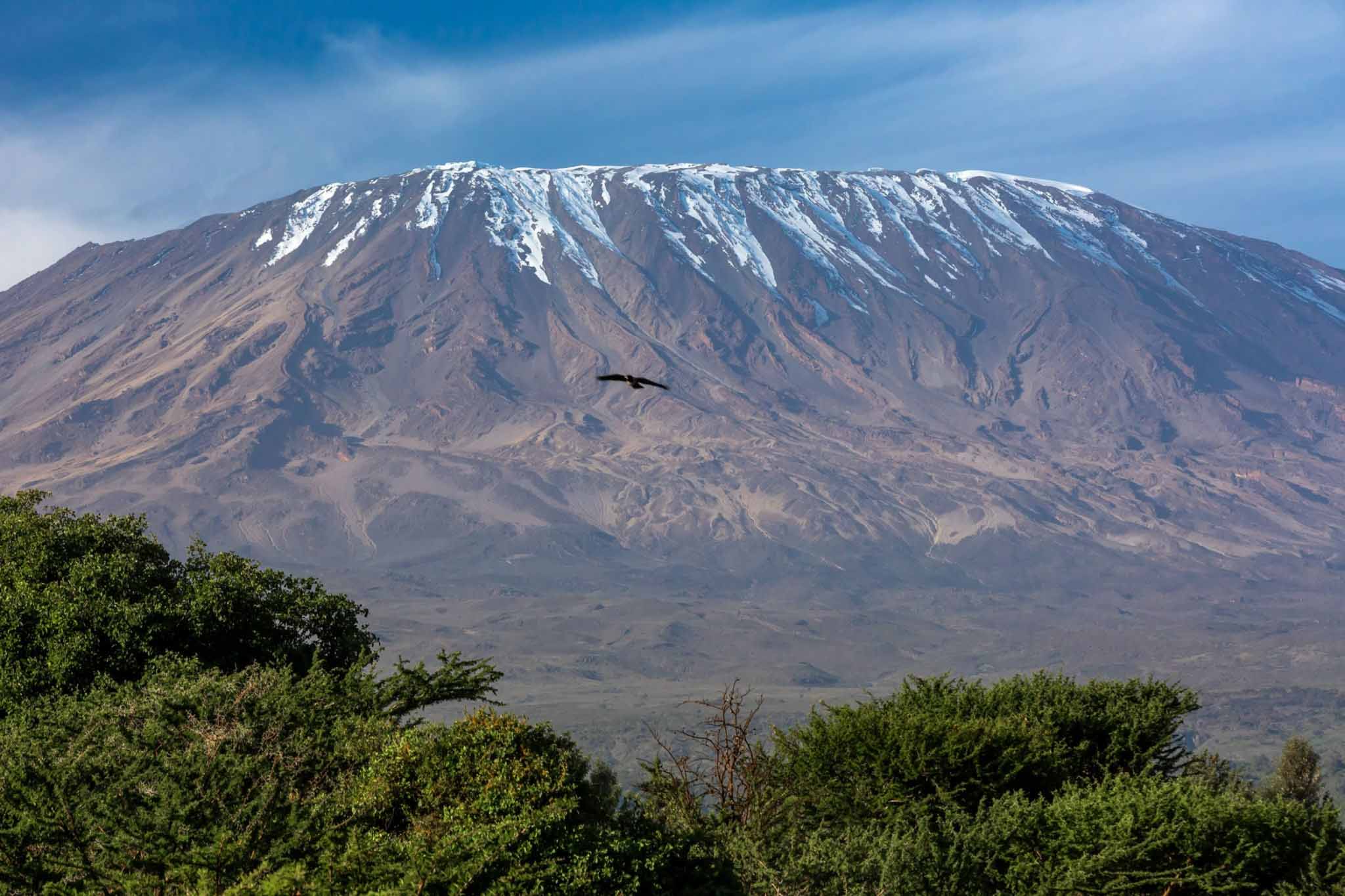
The Finest Wilderness Experience
The Lemosho Route is widely considered by experienced Kilimanjaro operators to be the finest route on the mountain — the one that combines the best acclimatisation profile, the most spectacular and varied scenery, the greatest sense of genuine wilderness, and the highest summit success rate into an itinerary that represents the complete Kilimanjaro experience at its most rewarding. It is longer than Machame, more expensive due to its greater number of days, and approaches from the remote western flank of the mountain through a section of pristine montane forest that sees far fewer climbers than the busier southeastern approaches. For climbers who have the time and budget for a seven or eight day itinerary, Lemosho is the route that most experienced guides and operators would choose for themselves.
The Route
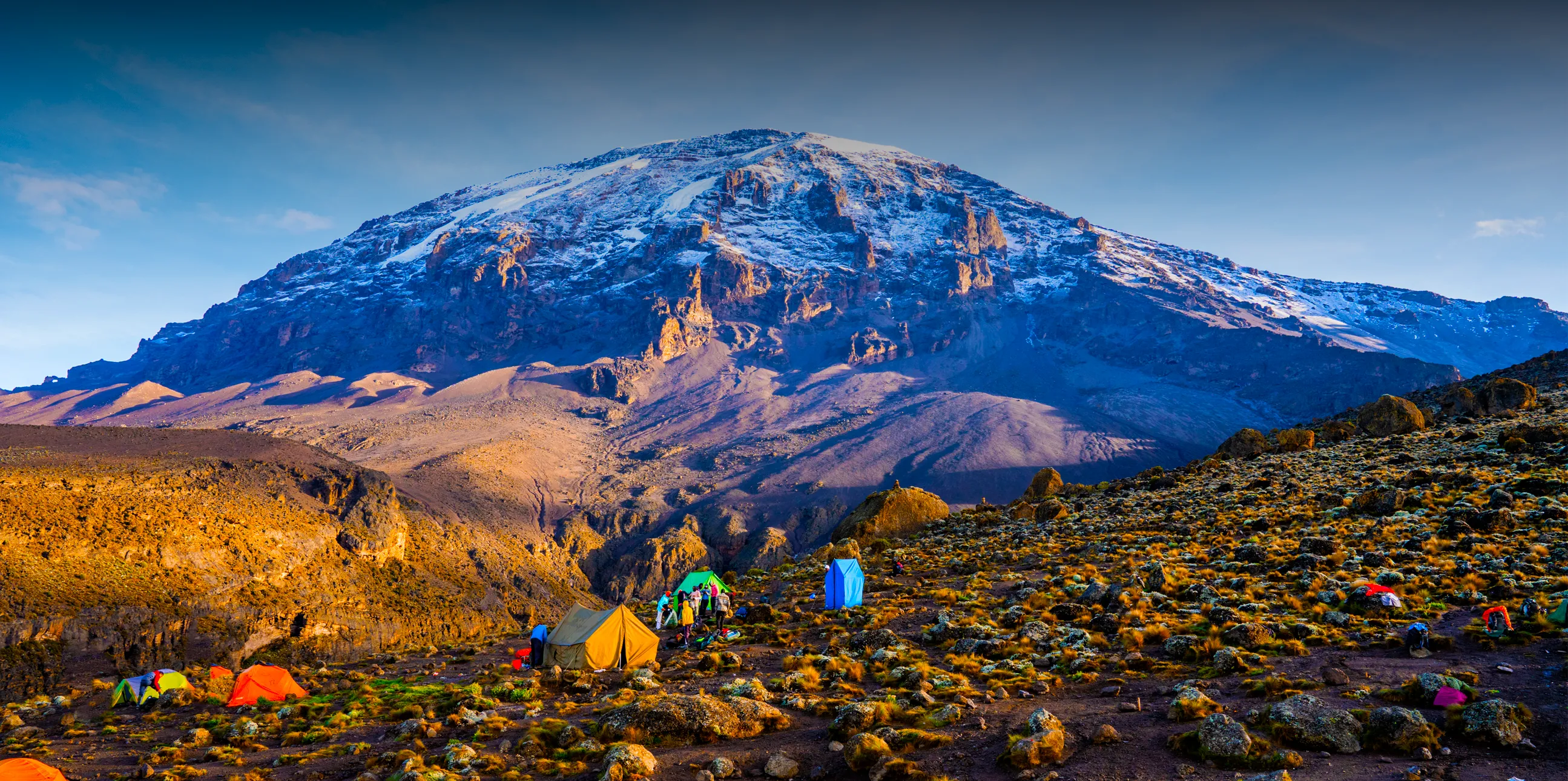
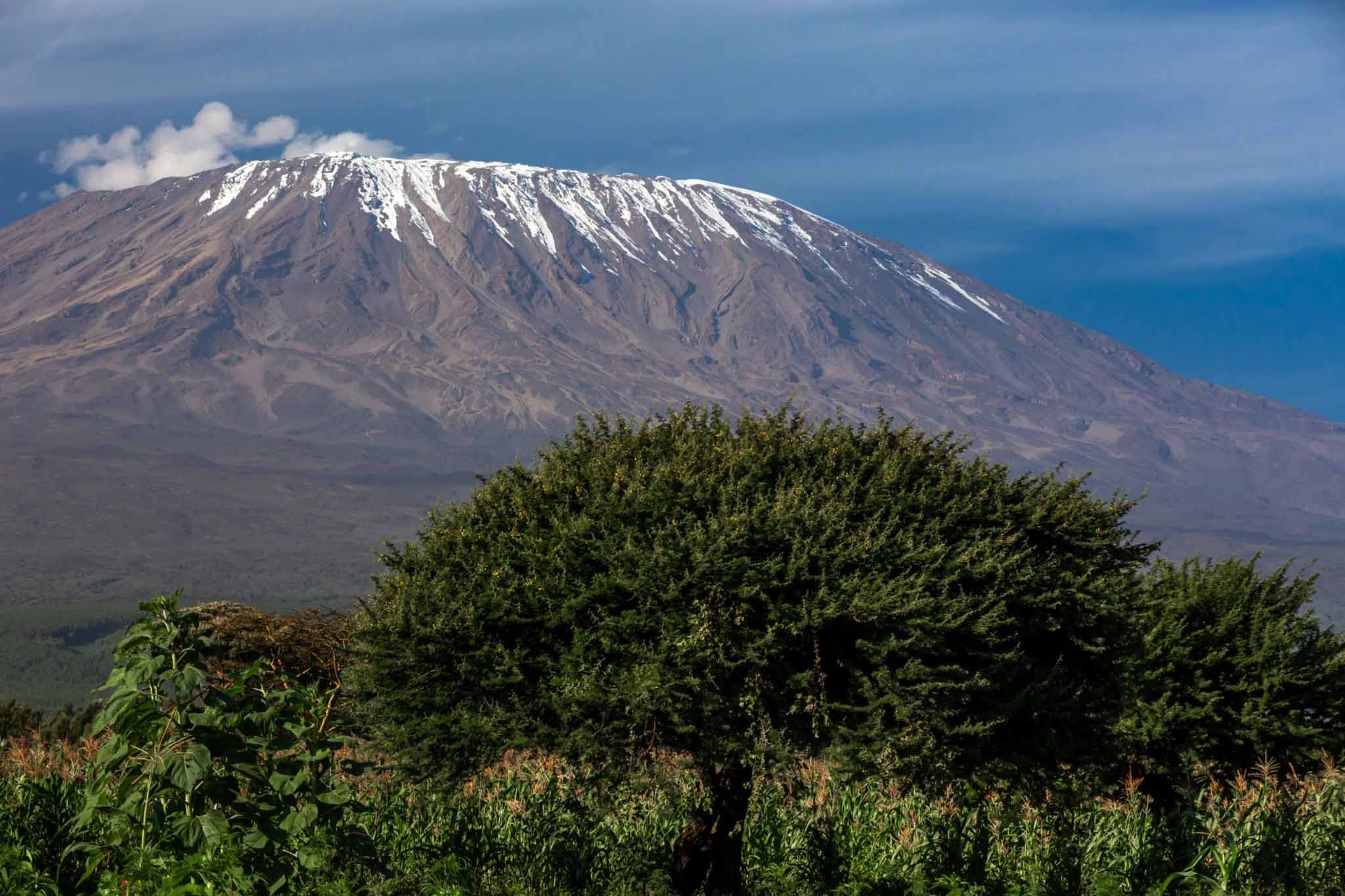
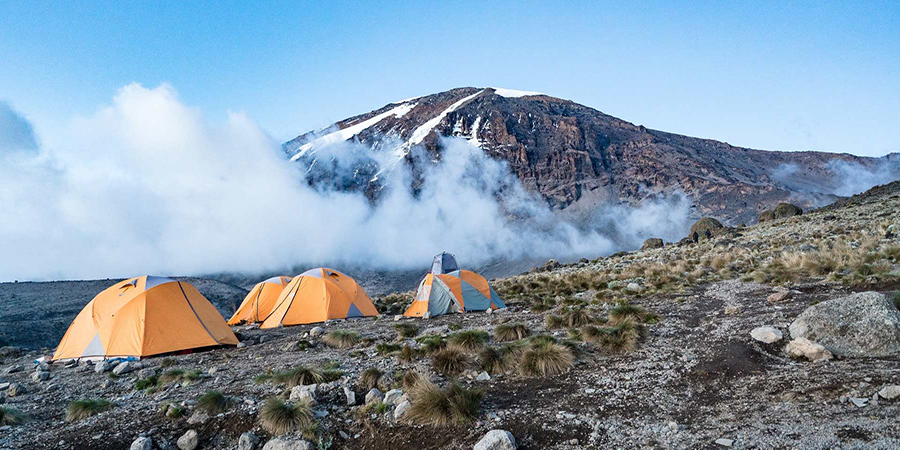
The Lemosho Route begins at Londorossi Gate on the mountain’s western flank, a longer drive from Arusha or Moshi than the southeastern gate approaches but immediately rewarding in terms of the quality and remoteness of the forest encountered on the first day’s walk to Big Tree Camp at 2,780 metres. The forest here — dense, ancient, largely unvisited Afromontane rainforest with enormous fig trees, abundant bird life including the Hartlaub’s turaco and the silvery-cheeked hornbill, and occasional sightings of elephant and buffalo — is noticeably wilder and more atmospheric than the forest sections of the busier southeastern routes. Day two climbs to Shira 1 Camp at 3,500 metres, entering the open moorland and gaining the first clear views of Kibo’s summit above. From Shira 2 Camp on day three, the route joins the Machame Route and follows a broadly similar path across the southern face — the Lava Tower acclimatisation excursion, the Barranco Valley, the Barranco Wall, Karanga Camp, Barafu, the summit push — but with the crucial advantage of the additional western approach days having provided a gentler, more gradual initial acclimatisation.
The Experience
The defining characteristic of the Lemosho Route is the quality of its early days in the western forest — a section of the mountain that the majority of Kilimanjaro climbers never see and whose remoteness and wildness set a tone of genuine wilderness adventure that persists through the entire climb. The acclimatisation profile of the full eight-day itinerary is the most gradual available on the mountain, giving the body maximum time to adjust to altitude before the summit push and producing success rates that experienced operators consistently report as the highest of any route. The route also benefits from lower traffic on its western approach sections — the sense of having the mountain largely to yourself in the first two days is a significant enhancement to the overall experience.
Considerations
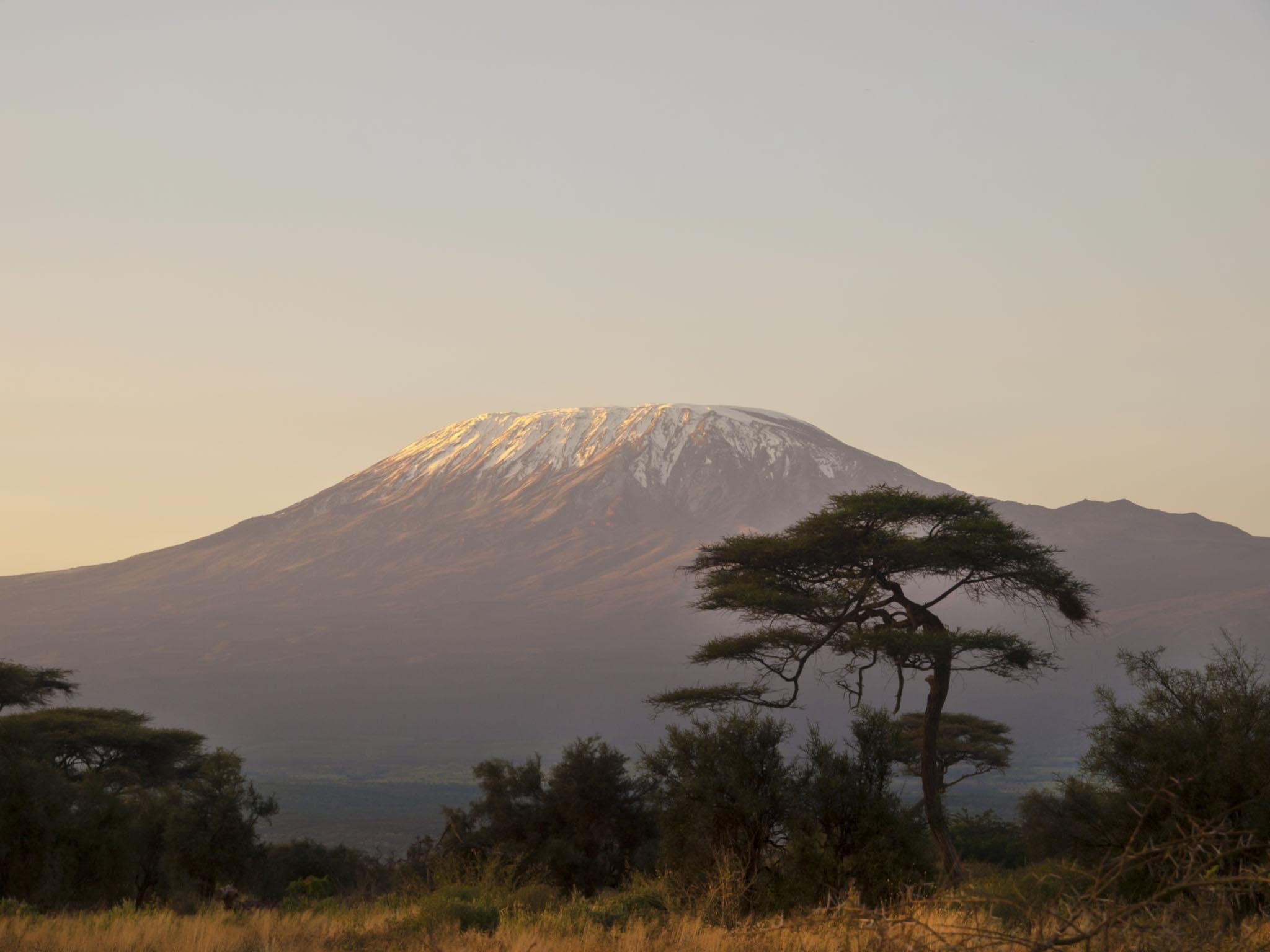
The Lemosho Route’s longer duration and remote western approach make it the most expensive standard route on Kilimanjaro, and the additional driving time to Londorossi Gate adds half a day to the overall logistics. These are straightforward trade-offs — the additional cost and travel time buy a materially better experience and a meaningfully higher probability of reaching the summit. For climbers who are investing the time and money to attempt Africa’s highest peak, choosing the route with the best success rate and the finest scenery is a decision that pays dividends at the moment that matters most: standing on Uhuru Peak at dawn, watching the shadow of Kilimanjaro stretch westward across the plains of Africa.