Olduvai Gorge Paleoanthropology Museum Day Trip from Ngorongoro
Forty-five kilometres west of the Ngorongoro Crater rim, a dry, unremarkable-looking ravine cuts through the Serengeti plains. This is Olduvai Gorge — and if you have any interest at all in where the human species came from, it is one of the most important places on Earth you will ever...
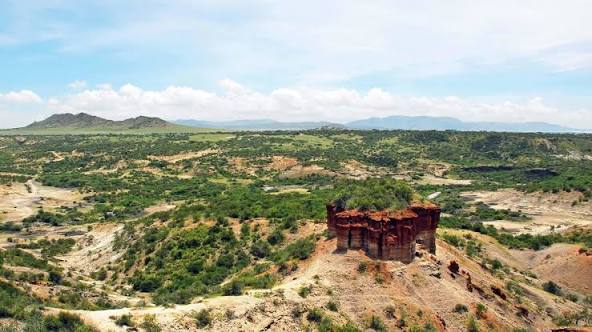
Forty-five kilometres west of the Ngorongoro Crater rim, a dry, unremarkable-looking ravine cuts through the Serengeti plains. This is Olduvai Gorge — and if you have any interest at all in where the human species came from, it is one of the most important places on Earth you will ever stand.
A day trip to the Olduvai Gorge paleoanthropology museum from Ngorongoro is typically included as a half-day addition to a Ngorongoro itinerary, and it is frequently treated as a secondary attraction — something to do after the main event of the crater game drive. This is a mistake. Olduvai Gorge is the main event. The crater is spectacular, but it is a wildlife experience. Olduvai is an encounter with human history at geological depth, and for many visitors it is the moment of the entire Tanzania trip where the landscape shifts from beautiful to genuinely profound.
What Was Found Here
The gorge is a ravine approximately 90 metres deep, cut through layers of volcanic sediment laid down over two million years. Because the geological layers are exposed in the gorge walls, they function as a stratigraphic record of time — you can read the history of the landscape, and of the species that lived in it, in the coloured bands of rock visible in the cliff faces. In 1959, Mary Leakey was working in the gorge when she spotted fragments of fossilised skull emerging from the sediment. The reconstruction of those fragments produced the skull of Paranthropus boisei — a hominid living 1.75 million years ago at the shore of a long-dried lake that once filled what is now the Serengeti plain.
In subsequent decades, discoveries at Olduvai accumulated to include Homo habilis (the first human to use stone tools, living 1.9 million years ago), the earliest evidence of systematic toolmaking (the Oldowan tool industry), and fossil footprints at the nearby site of Laetoli — a trail of footprints left in volcanic ash 3.6 million years ago by three individuals walking upright, the oldest evidence of bipedal locomotion ever discovered.
The Museum and the Visit
The Olduvai Gorge museum sits at the gorge rim and is a modest facility — small by the standards of comparable museums in Europe or North America, but well-organised and genuinely informative. Fossil casts of the key specimens are displayed with contextual explanation, and a short path leads to the gorge rim where the exposed geological layers are visible. The museum guides, many of whom have worked at the site for decades and have met the Leakey family personally, give interpretive talks that bring the dry archaeology to vivid life. Allow two hours minimum. Add the drive from the crater rim and you have a complete half-day excursion that fundamentally reframes the Ngorongoro landscape — not just as a wildlife sanctuary but as a stage where the story of the human species played out across millions of years.