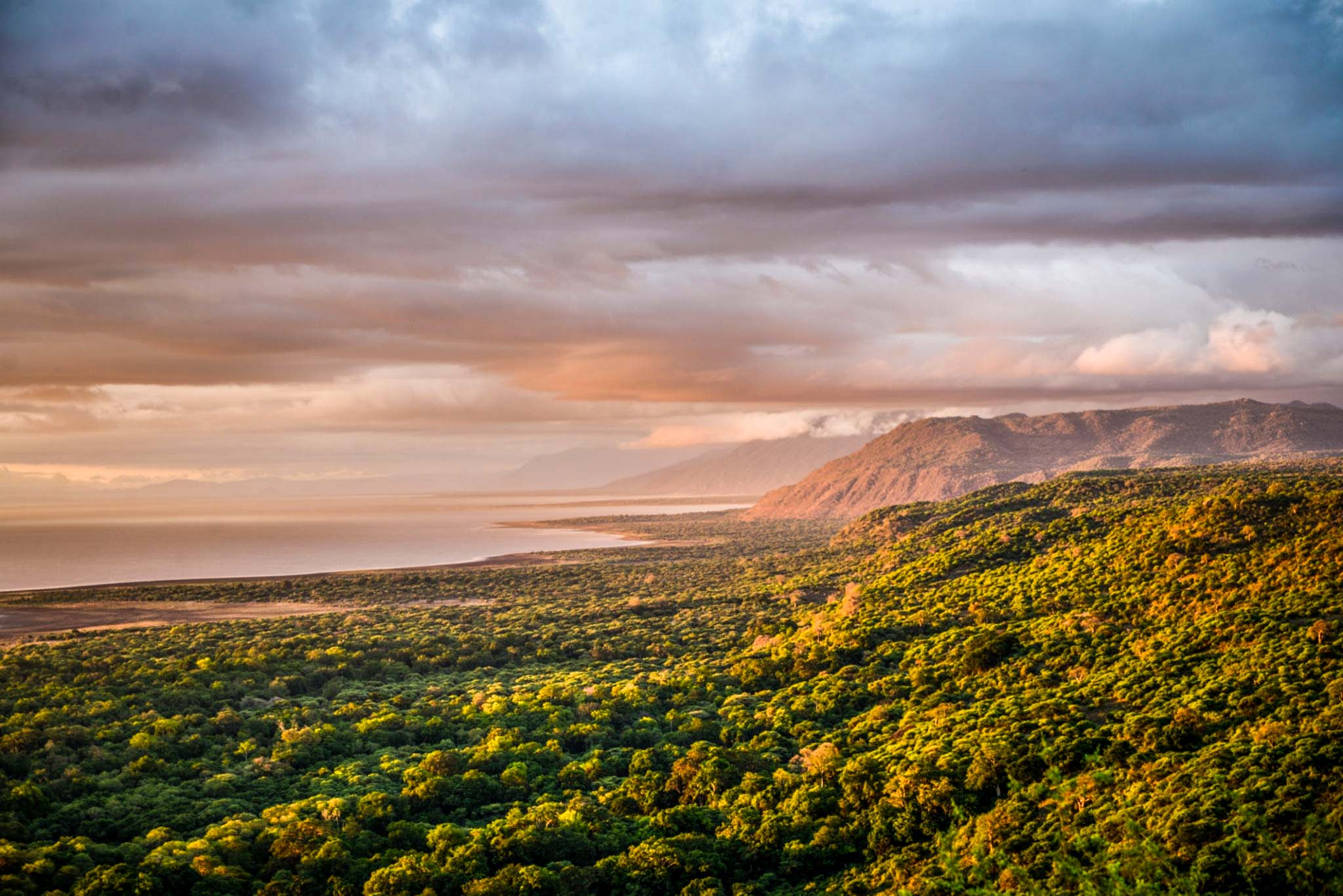
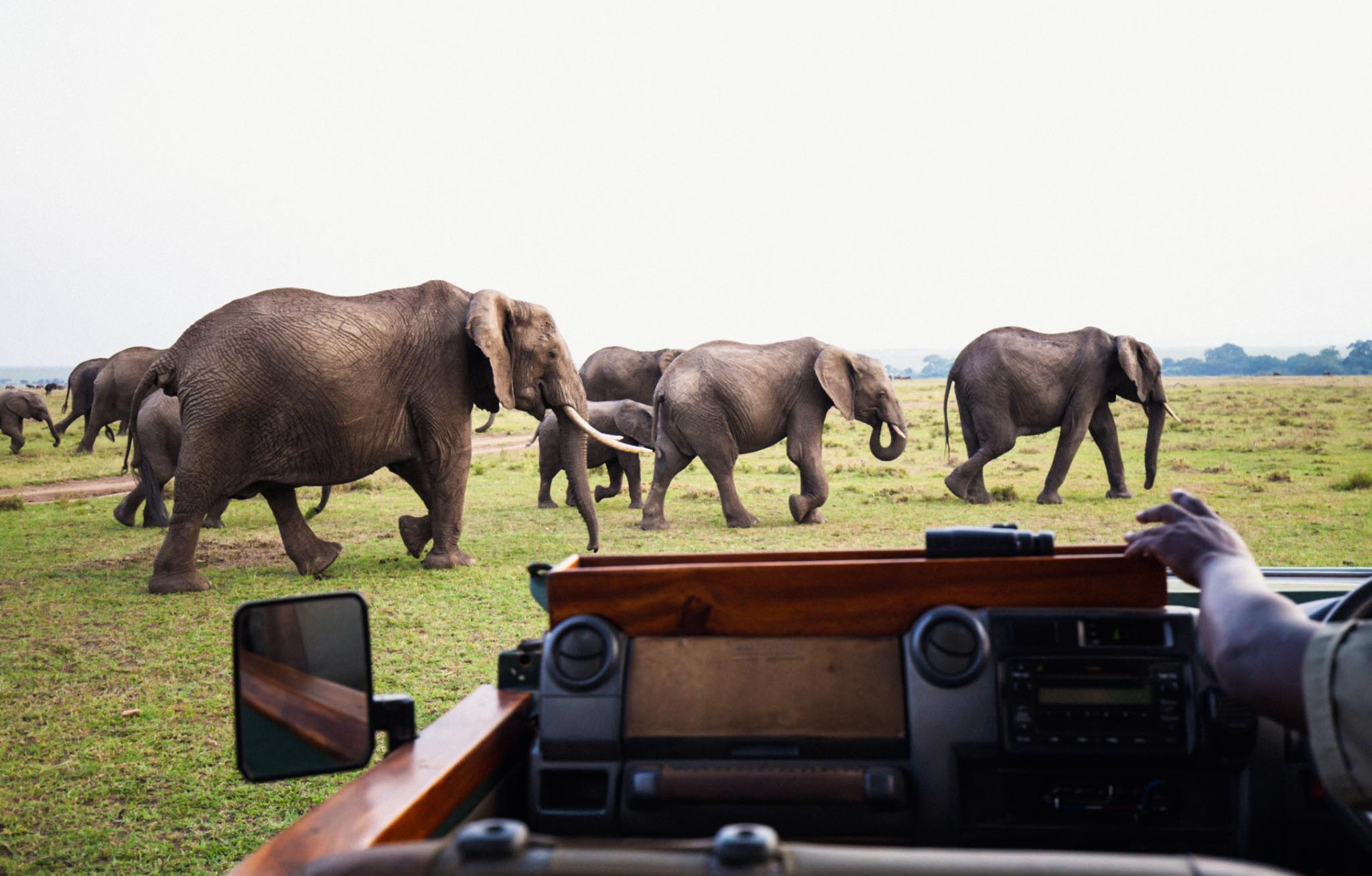
Dry Season Game Drives in Ngorongoro Crater June to October
From June through October, the Ngorongoro Crater enters its dry season — and in terms of wildlife viewing, this is when the crater operates at its most intense and most reliable. Dry season game drives in Ngorongoro Crater from June to October offer conditions that optimise almost every aspect of...
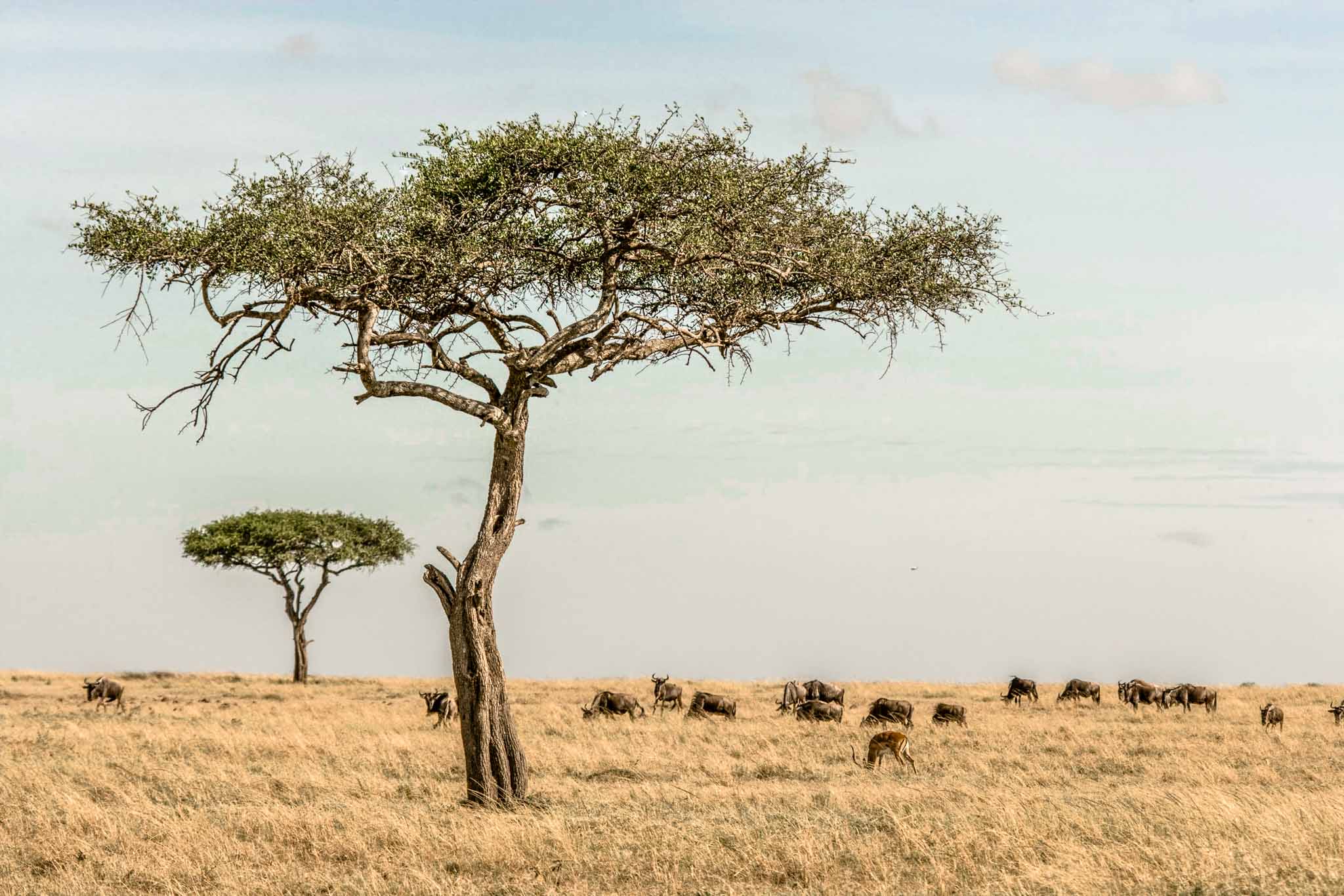
From June through October, the Ngorongoro Crater enters its dry season — and in terms of wildlife viewing, this is when the crater operates at its most intense and most reliable. Dry season game drives in Ngorongoro Crater from June to October offer conditions that optimise almost every aspect of the safari experience: clearer sightlines, more predictable animal behaviour, firmer road surfaces, and the highest concentration of animals at permanent water sources.
The logic of the dry season is simple: water becomes scarce. The seasonal wetlands that spread across the crater floor during the November-to-May rains contract to a handful of permanent springs and the permanent water of Lake Magadi. Every animal on the crater floor must visit these water sources regularly, creating natural gathering points that concentrate wildlife in ways the wet season dispersal does not. The hippo pools become denser. The lion prides patrol the water sources more systematically. The elephant bulls that visit the Lerai Forest from outside the crater come more frequently during the dry months. And the short, dry grass of June to October means visibility across the crater floor is exceptional — you can see a rhino at 400 metres, a cheetah hunting at 300 metres, a lion pride at 500 metres.
Temperature and Comfort
The dry season on the Ngorongoro Crater floor is also the most comfortable season for visitors. Temperatures on the floor typically range from 15°C at dawn to 28°C in the early afternoon — pleasantly warm in the sun with a consistent breeze coming off the lake. The crater rim, sitting 600 metres above the floor, is considerably cooler — often as low as 8–10°C at night in July and August — which makes rim lodge evenings around a fire very appealing. Morning descents into the crater in June and July can involve driving through low cloud or mist at the rim level before the vehicle breaks through into clear sunshine on the crater floor — a theatrical entry to the day’s game viewing.
Planning the Drive
A full-day crater game drive enters via the Seneto Descent Road (which goes down — one-way) and exits via the Lerai Ascent Road (which goes up — also one-way). The drive typically takes 6 to 8 hours at a comfortable pace, covering the western plains, the lake shore, the hippo pool, the Lerai Forest, and the central grasslands. The most productive hours are 7–10 AM and 4–6 PM; midday is the least active period for most animals, though this is when the flamingo flocks on the lake are at their most photogenic in the high sun. Regulations limit the number of vehicles permitted on the crater floor each day, which provides some protection against overcrowding — though peak season July and August mornings at the hippo pool can still feel busy.