Kayaking on Lake Manyara Among Hippos and Flamingos
The standard Lake Manyara safari experience takes place in a game vehicle on the park’s road network. It is excellent. And then there is kayaking on Lake Manyara among hippos and flamingos — an experience that takes every assumption built by the vehicle-based safari and quietly, completely overturns them. Kayaking...
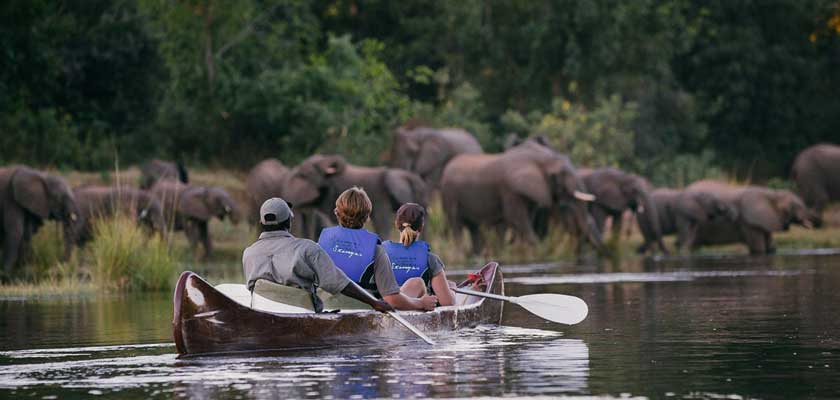
The standard Lake Manyara safari experience takes place in a game vehicle on the park’s road network. It is excellent. And then there is kayaking on Lake Manyara among hippos and flamingos — an experience that takes every assumption built by the vehicle-based safari and quietly, completely overturns them.
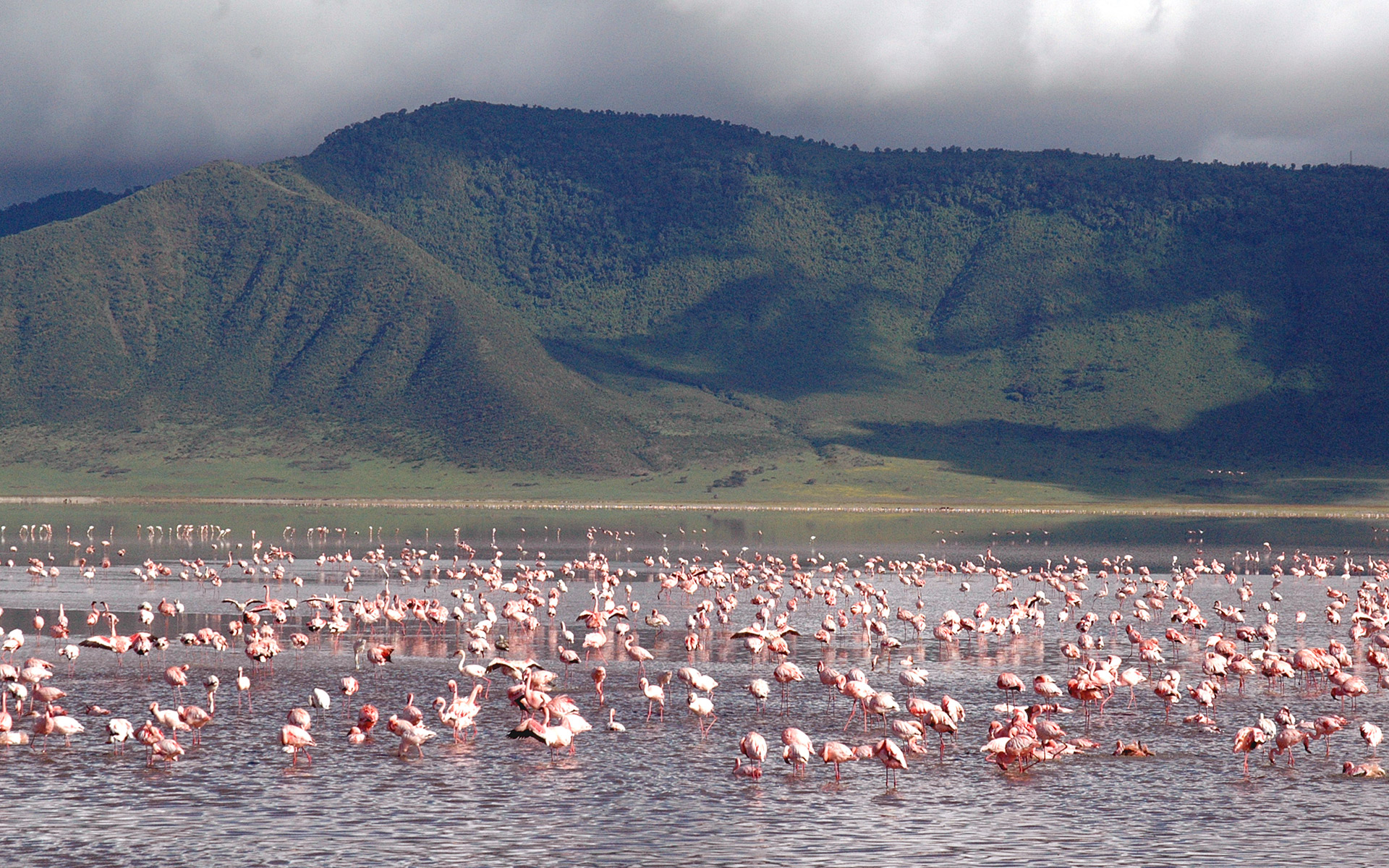
Kayaking on Lake Manyara is not conducted inside the national park itself — the park regulations do not permit it — but through specialist operators based on the lake shore near Mto wa Mbu town, who access the lake through community land adjacent to the park. The difference in practical terms is minimal. The lake is the same lake. The hippos are the same hippos. The flamingos are the same flamingos. What changes is the height and the noise level. From a kayak, you are sitting at water level — perhaps 20 centimetres above the lake surface. The flamingos feeding in the shallows are at eye level rather than viewed from the elevated vantage of a vehicle. The hippos, when they surface, are at the same level as your face.
Safety and the Hippo Question
It is necessary to address the hippo question directly, because it is the question every prospective kayaker has: is this safe? Hippos are responsible for more human deaths in Africa than any other large animal they are fast, unpredictable, and aggressively territorial in the water. The answer is that kayaking near hippos on Lake Manyara is conducted under strict safety protocols by experienced guides who know the lake’s hippo populations and their territories intimately. The kayaks are kept at safe distances from hippo pods, and the guides read hippo behaviour the underwater vocalisation, the positioning of ears and eyes above the surface to assess mood and maintain appropriate spacing. The guides lead from the front, and client kayaks follow their positioning decisions.
The experience itself, when conducted properly, is not frightening it is astonishing. The silence of the kayak means you hear the lake in a way no motorised vessel allows. The splash of a pelican diving. The low murmur of the flamingo flock. The ripple of water against your hull and the distant sound of the escarpment birds. It is the Manyara ecosystem at its most intimate and most immediate, and it tends to produce the kind of sustained attentiveness that game vehicles, for all their comfort, rarely achieve.