Guided Walking Safari in Serengeti With Armed Ranger
A game vehicle gives you safety, elevation, and mobility. A guided walking safari in the Serengeti with an armed ranger gives you something no vehicle ever can: the Serengeti at ground level, experienced through all five senses simultaneously, with your own heartbeat as the most honest measure of how wild...
A game vehicle gives you safety, elevation, and mobility. A guided walking safari in the Serengeti with an armed ranger gives you something no vehicle ever can: the Serengeti at ground level, experienced through all five senses simultaneously, with your own heartbeat as the most honest measure of how wild this landscape truly is.
Walking safaris are not available across the entirety of the Serengeti National Park — the regulations that govern them are strict, and for good reason. They are permitted in designated walking zones and on walks originating from camps within the park that have the necessary licences. The experience typically begins at 6 AM with a safety briefing from the lead guide, who is accompanied by an armed wildlife ranger. The briefing covers animal encounter protocols — how to respond to a charging elephant, what to do if you see lions ahead, how to move as a group through the bush without creating danger. This briefing is not theatre. It is real information for a real environment, and it concentrates the attention wonderfully.
What the Bush Feels Like on Foot
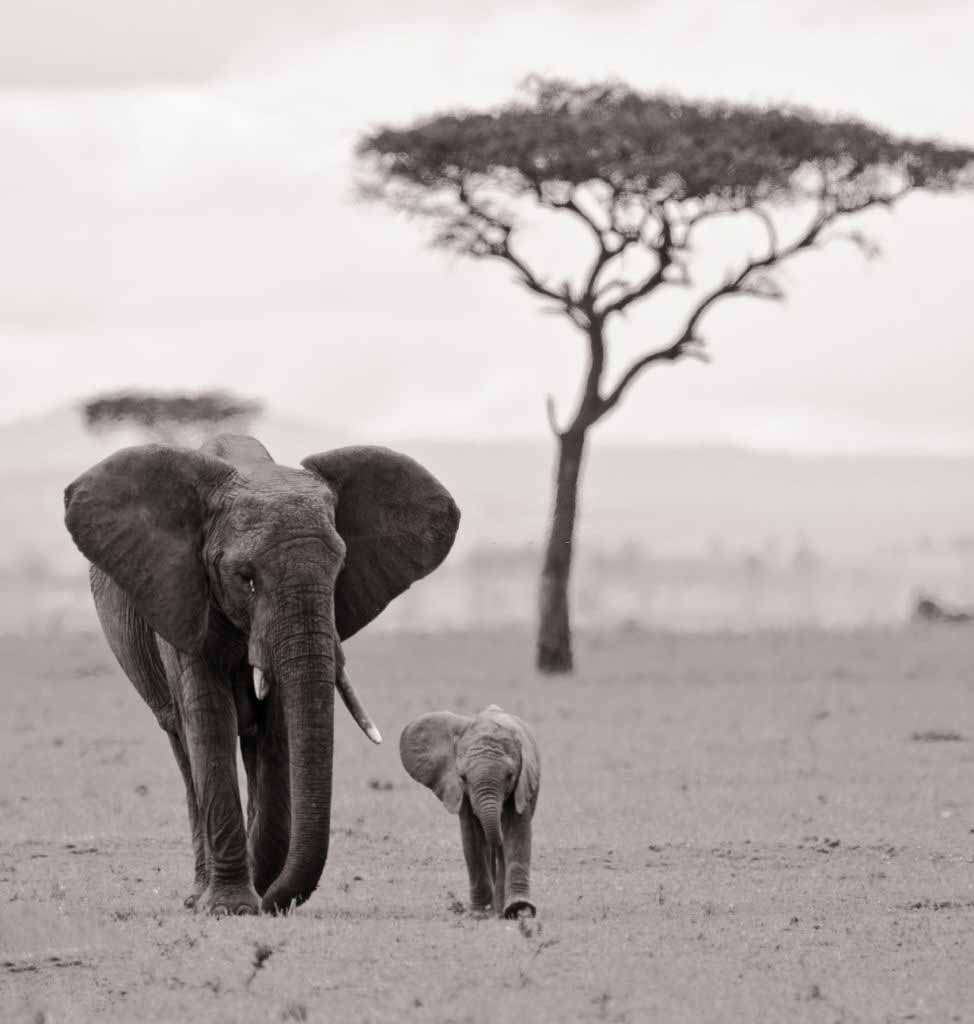
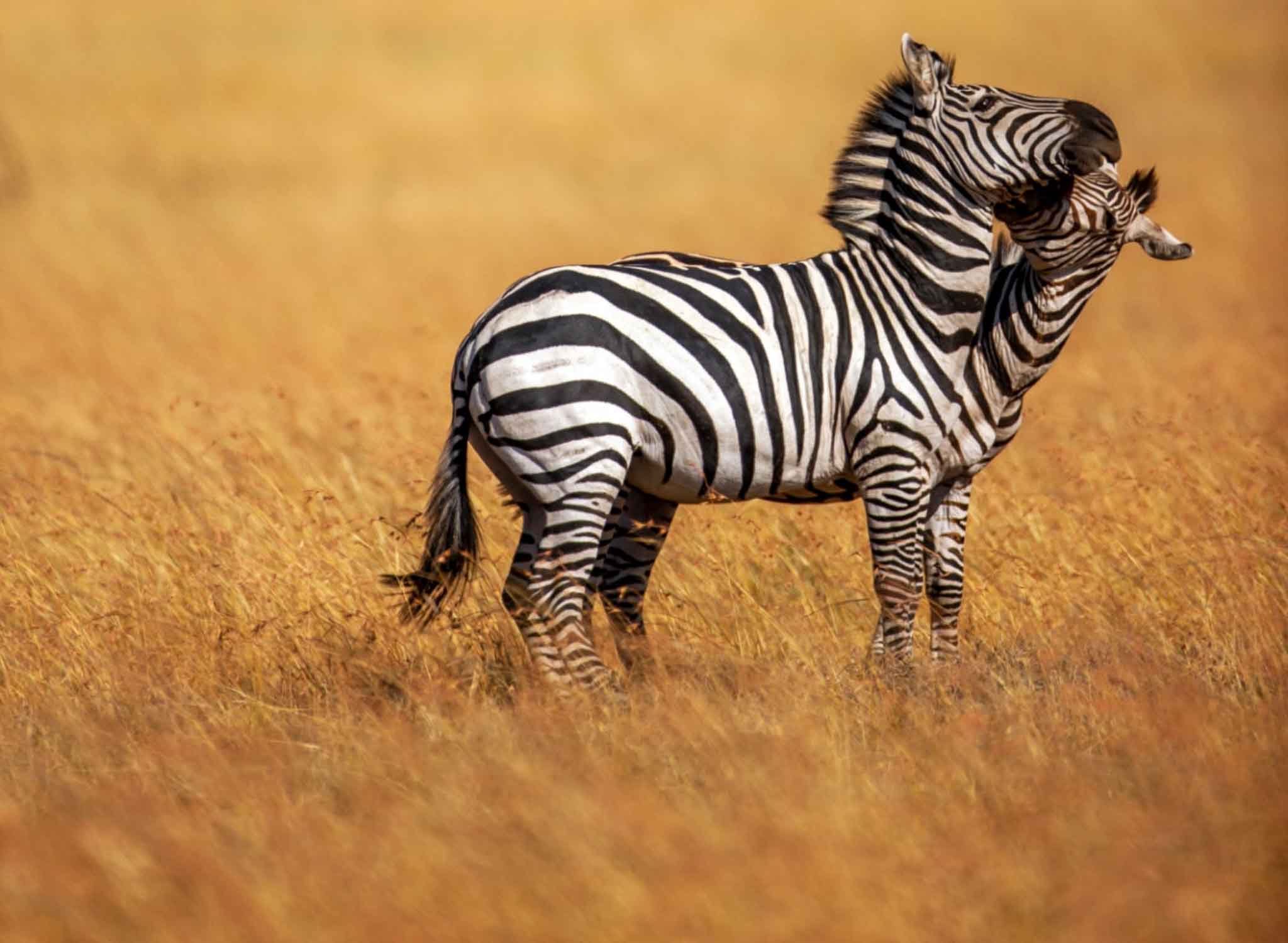
The moment you step out of the vehicle and onto the Serengeti ground, everything changes. The sounds that were background noise from the vehicle — the wind in the acacia, the alarm calls of birds, the distant grunt of a zebra — suddenly demand attention. Your guide walks at the front, reading the landscape in real time: fresh elephant tracks in the dust, the distinctive alarm call of the fork-tailed drongo that indicates a predator nearby, the broken branch that shows where a buffalo pushed through the undergrowth an hour ago. This is interpretive experience at a level that game drives rarely approach. On foot in the Serengeti, you are not a spectator. You are a participant.
The sensory details that walking adds to the safari experience are numerous and specific. The smell of the Serengeti on foot — dust, wild sage, the faint sweetness of elephant dung, the resinous scent of the acacia bark — is something guests consistently mention in trip reports as a defining detail that brought the landscape to life in a way photographs never capture. The sound of your footsteps on the dry grass. The size of an elephant footprint compared to your boot. The realisation, when your guide stops the group and points to a fresh lion pug mark in the sandy lugga bank, that the print is still crisp and the lion that made it is almost certainly still close.
Safety and the Role of the Armed Ranger
The armed wildlife ranger who accompanies every walking safari in the Serengeti is not a prop or a formality. They are a professional with extensive bush experience whose role is threat assessment and, in the extreme and rare circumstance where an animal charge cannot be deterred by noise and group behaviour, the last line of defence. In practice, the vast majority of walking safaris in the Serengeti conclude without any threatening encounter. Animals generally detect the human group well in advance and move away. But the possibility of a real encounter — the knowledge that it is genuinely possible — is precisely what makes walking in the Serengeti a transformative rather than merely scenic experience.