Largest Elephant Herds in Tanzania Dry Season Tarangire River
There is no elephant experience in East Africa comparable to Tarangire in the dry season. From June through October, as the rains retreat and the surrounding landscape dries to bare dust, the Tarangire River becomes the only permanent source of water across thousands of square kilometres of northern Tanzania. And...
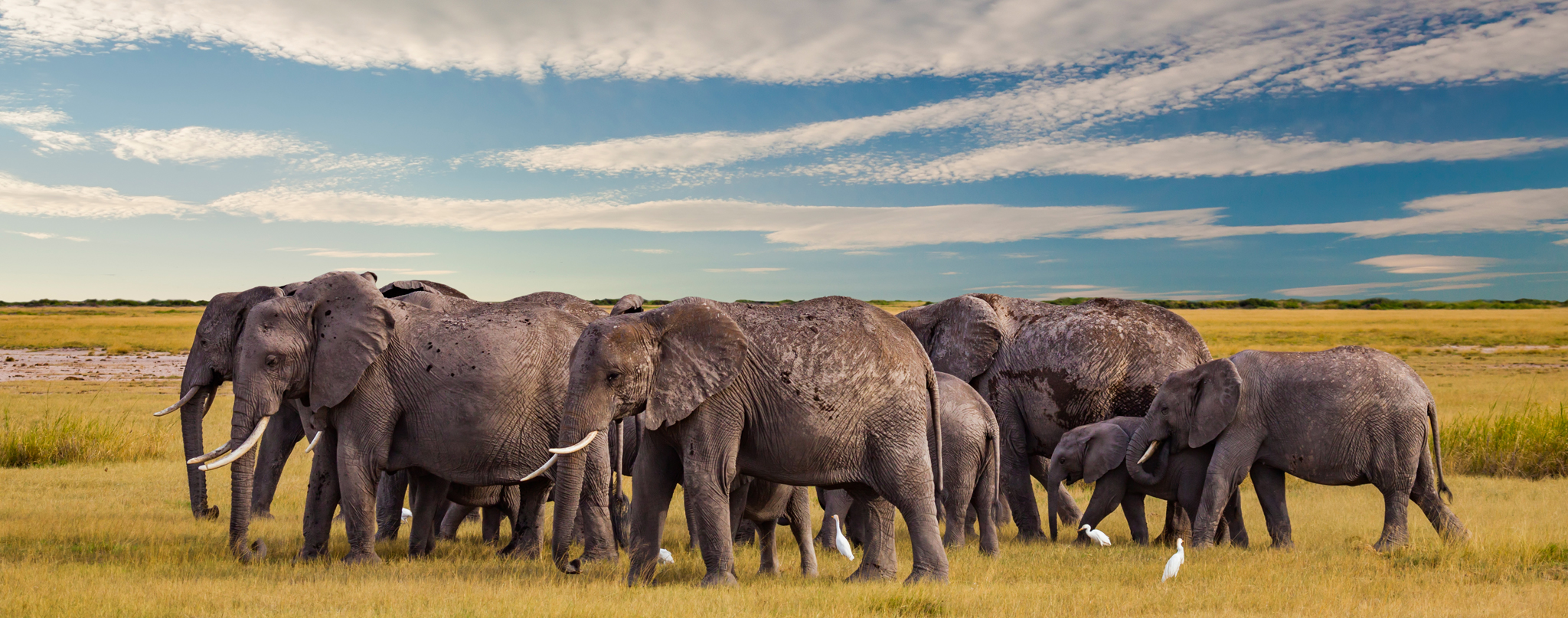
There is no elephant experience in East Africa comparable to Tarangire in the dry season. From June through October, as the rains retreat and the surrounding landscape dries to bare dust, the Tarangire River becomes the only permanent source of water across thousands of square kilometres of northern Tanzania. And to this river, like a tide that cannot be reversed, come the elephants. The largest elephant herds in Tanzania during the dry season gather at the Tarangire River in numbers that must be seen to be believed — groups of 50, 100, 200 animals pressed together at the water’s edge, the river bank a continuous churning mass of grey skin, reaching trunks, and the low, constant rumble of elephant communication that you feel as much as hear.
The statistics are significant: Tarangire National Park and the broader Tarangire–Manyara ecosystem supports an elephant population estimated at over 4,000 individuals — one of the highest concentrations in East Africa outside the Selous ecosystem. During the dry season, as animals that have dispersed across the ecosystem during the wet months return to the river, daily elephant concentrations at prime water points can reach 300 or more individuals simultaneously. This is not a casual wildlife sighting — it is a spectacle of ecological process, a visible demonstration of what wildlife corridors and protected water sources mean for the survival of the world’s largest land animal.
The Social Structure at the Water
Watching the Tarangire elephant aggregations at a river crossing or water point reveals the complexity of elephant social organisation in real time. The fundamental unit of elephant society is the family group — a matriarch and her daughters, granddaughters, and their offspring, numbering typically 8 to 15 individuals. At the Tarangire dry-season water points, multiple family groups converge simultaneously, and the interactions between them — greeting ceremonies between matriarchs who know each other, the jostling of adolescent males testing their strength, the careful positioning of mothers to keep calves safe in the press of larger bodies — constitute a social drama playing out across the entire water point.
Adult bulls, who live largely separately from the family groups, are also drawn to the water in the dry season, and encounters between bulls assessing each other’s status and between bulls and matriarchal groups add further layers to the complexity. The deep rumble of elephant infrasound communication — frequencies below human hearing, felt rather than heard — is nearly constant in a large aggregation, and researchers have documented that the matriarchs maintain awareness of the movements of family groups across distances of several kilometres through this low-frequency communication system.
The Best Dry Season Viewing Points
The most productive elephant viewing in Tarangire during the dry season concentrates along the Tarangire River between the park’s main gate in the north and the Silale Swamp in the south — a stretch of approximately 25 kilometres with multiple river crossings, water points, and sand banks where elephants congregate to drink, mud-bathe, and socialise. The Tarangire Safari Lodge, positioned on a bluff above the river, offers the memorable experience of watching elephants from the camp itself — family groups moving through the riverine woodland below the dining area as guests eat breakfast, or drinking at the sandy river bank visible from the lodge terrace. Game drives along the river track in the early morning and late afternoon consistently produce the largest elephant numbers and the most active behaviour.