Tarangire National Park Giant Ancient Baobab Trees Photography
In photography, the word “iconic” is overused to the point of meaninglessness. But the giant ancient baobab trees of Tarangire National Park are, in the precise sense of the word, iconic — they are images that have come to represent an entire landscape, an entire aesthetic, an entire experience of...
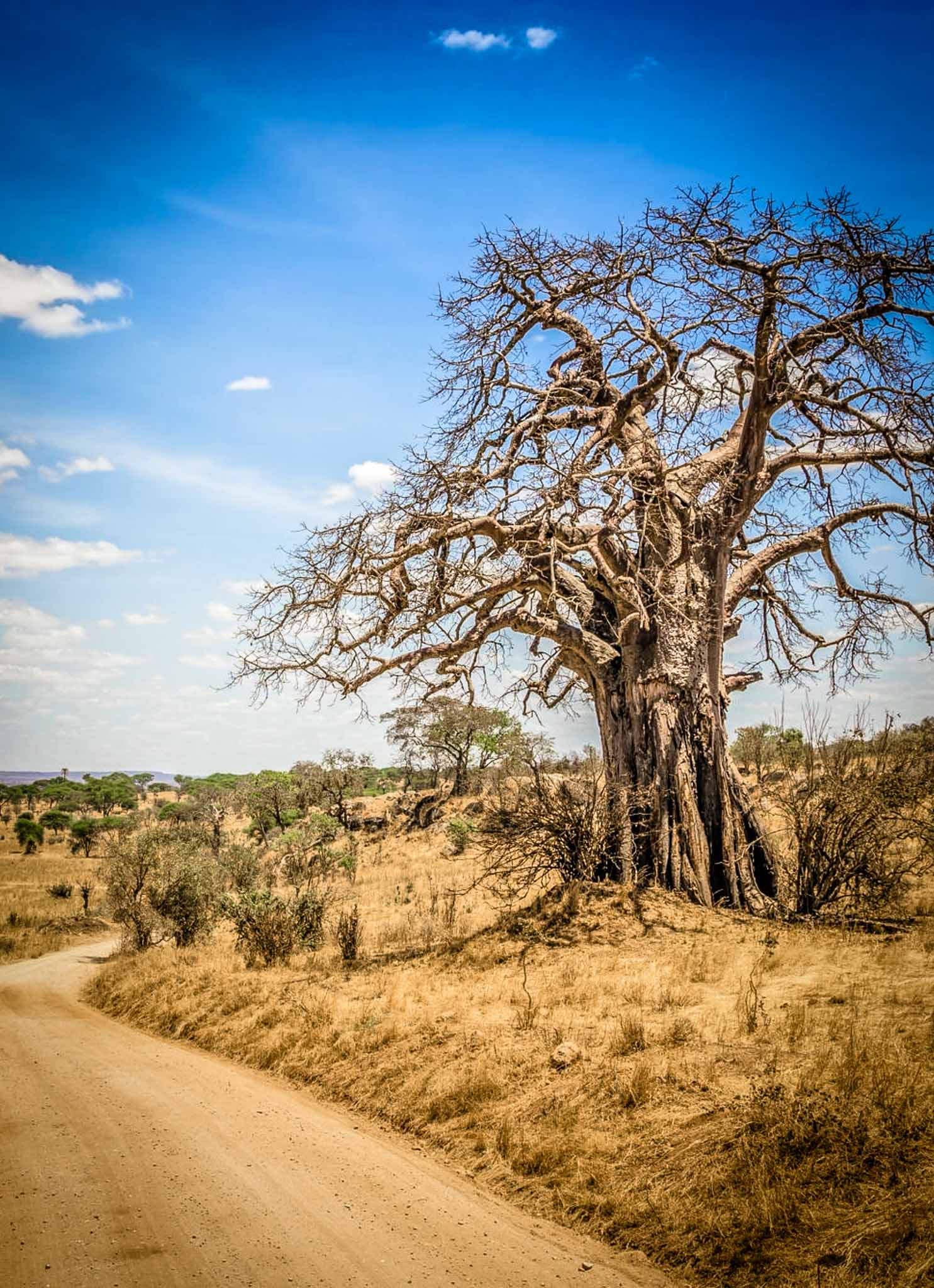
In photography, the word “iconic” is overused to the point of meaninglessness. But the giant ancient baobab trees of Tarangire National Park are, in the precise sense of the word, iconic — they are images that have come to represent an entire landscape, an entire aesthetic, an entire experience of Africa. And the experience of photographing them in the field, in the golden light of a Tarangire morning or afternoon, is the closest thing to working in a pre-designed studio that nature provides anywhere on Earth.
The baobab (Adansonia digitata) is, by any measure, an extraordinary tree. In Tarangire, individuals of 1,000 years or more exist — trees that were saplings when the first Arab trading dhows were crossing the Indian Ocean to Zanzibar, that were mature when the first European explorers entered East Africa, that have lived through climate shifts, drought cycles, and elephant pressure that has killed and scarred thousands of their younger relatives. These ancient individuals have trunks of 8 to 12 metres in circumference, deeply fissured bark the colour of old stone, and root systems that anchor them against the powerful storms that occasionally roll across the Tarangire plains.
The Photography Opportunity
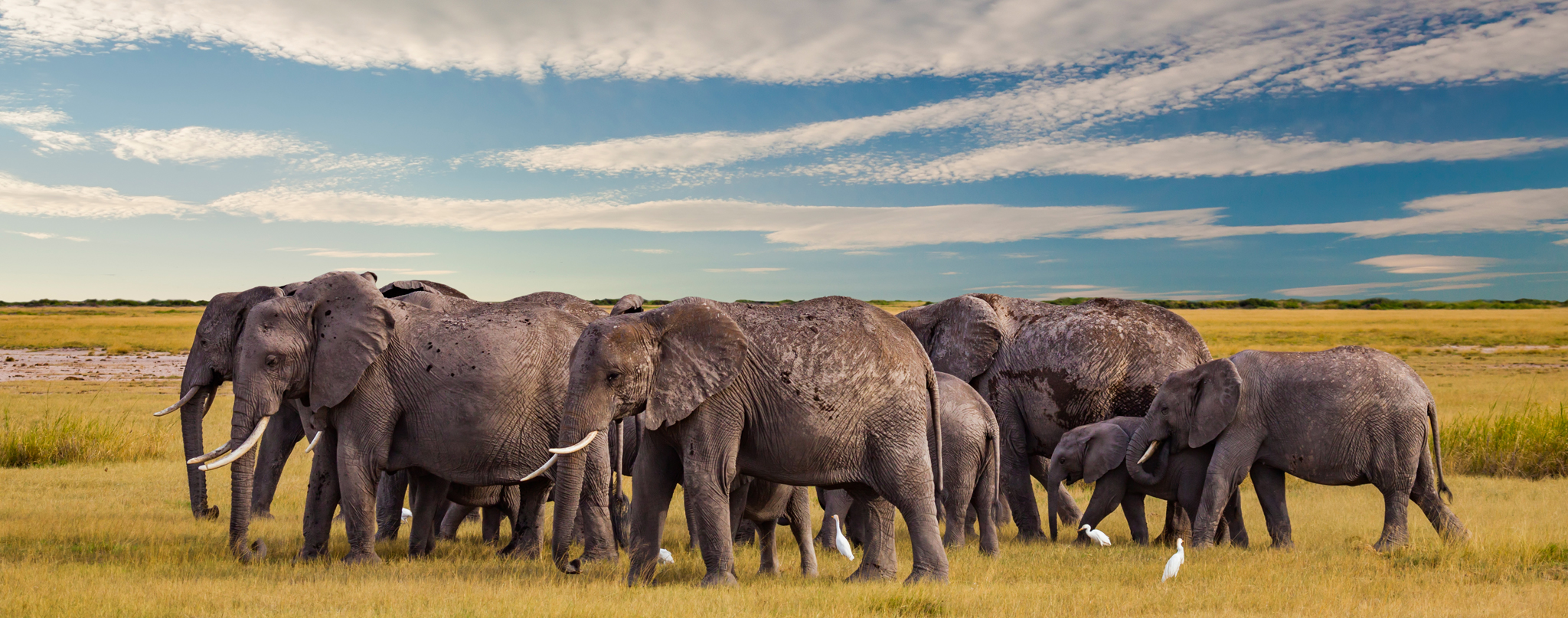
For landscape photography, the baobabs of Tarangire offer several distinct and reliable conditions across the day. At dawn, the eastern light strikes the textured bark of the trunk in a raking, shadow-detail-enhancing illumination that reveals every scar, hollow, and contour of the tree’s surface. This is the hour for detail shots — abstract images of bark and hollow that communicate the tree’s age without requiring any contextualising landscape. As the sun rises and the light warms and lifts, the full-frame landscape shots become possible: a giant baobab with the golden grass of the Tarangire plains spreading behind it, a line of elephants walking past a baobab grove at distance, the blue sky of the dry season above a cluster of ancient trunks stripped of leaves.
At sunset, the baobabs turn gold and then deep amber as the light drops and the sky behind them cycles through orange, pink, and purple. This is the most photographed period, and for obvious reasons — the combination of the ancient, sculptural trees with the saturated warm colours of an East African sunset is genuinely one of the most beautiful landscape compositions on the continent. The silhouette shot — a baobab in pure black against an orange sky, with elephants moving in the middle ground — has become one of the defining images of African wildlife photography, and Tarangire is the place where that image is most reliably available.