Tanzania’s Compact Jewel of Biodiversity
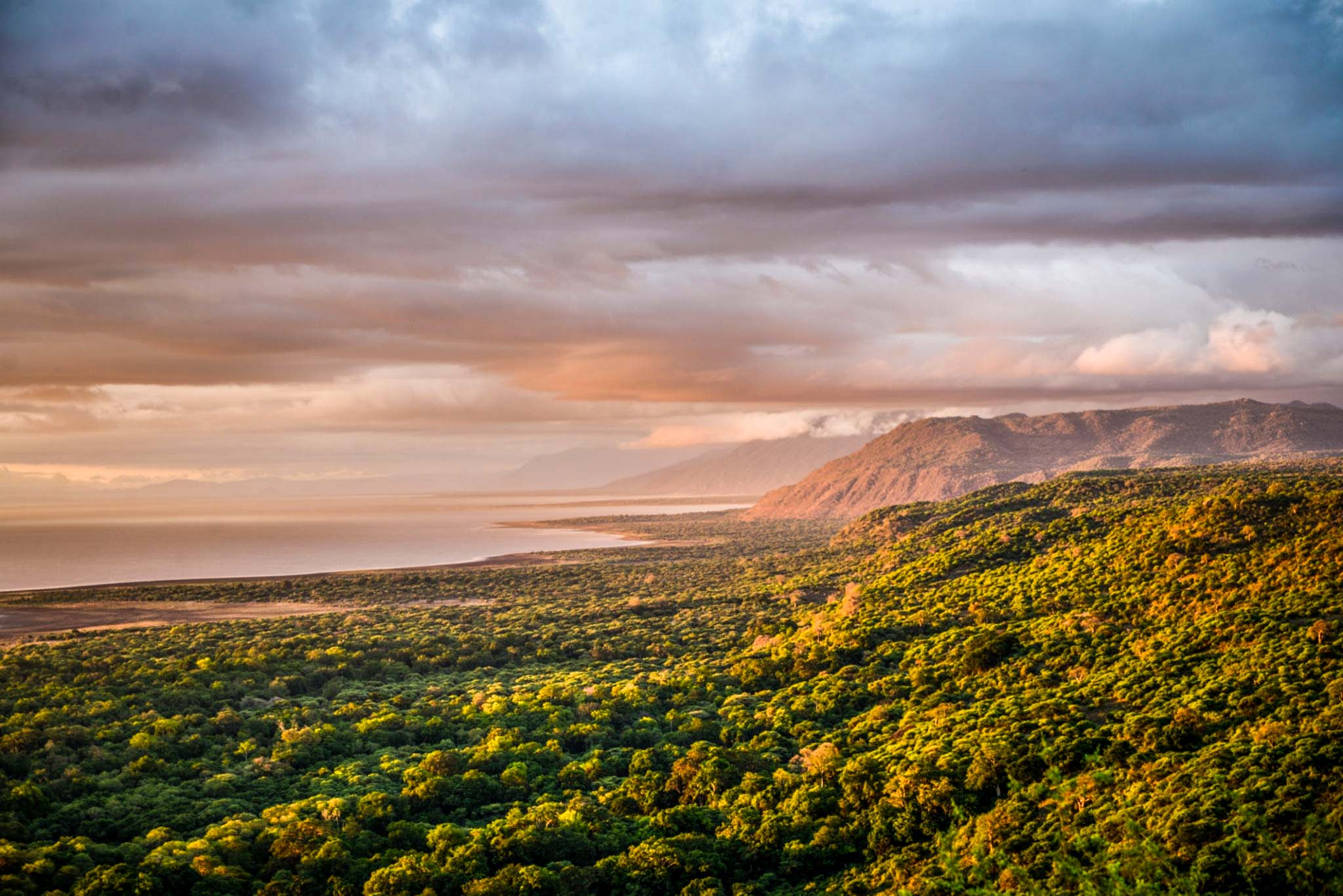
Lake Manyara National Park may be the most underestimated destination in Tanzania’s northern circuit. At just 648 square kilometres — a fraction of the Serengeti’s size — it packs an astonishing variety of habitats and wildlife into a narrow strip between the Great Rift Valley escarpment and the alkaline lake of the same name. Ernest Hemingway called it “the loveliest lake in Africa”, and for travellers researching Lake Manyara National Park tree-climbing lions Tanzania, this small park offers one of the most unusual wildlife spectacles on the continent.
What makes Manyara special is its role on the northern circuit itinerary — it is typically paired with Tarangire or Ngorongoro as a half-day or full-day park, yet its ecological diversity rewards much longer attention. The park is also one of Tanzania’s most important groundwater forest reserves, its ancient trees fed by springs that seep through the base of the escarpment wall, creating a lush, dark cathedral of vegetation that feels nothing like the open savannah people expect from an African safari.
Habitat Layers: A Park of Many Ecosystems
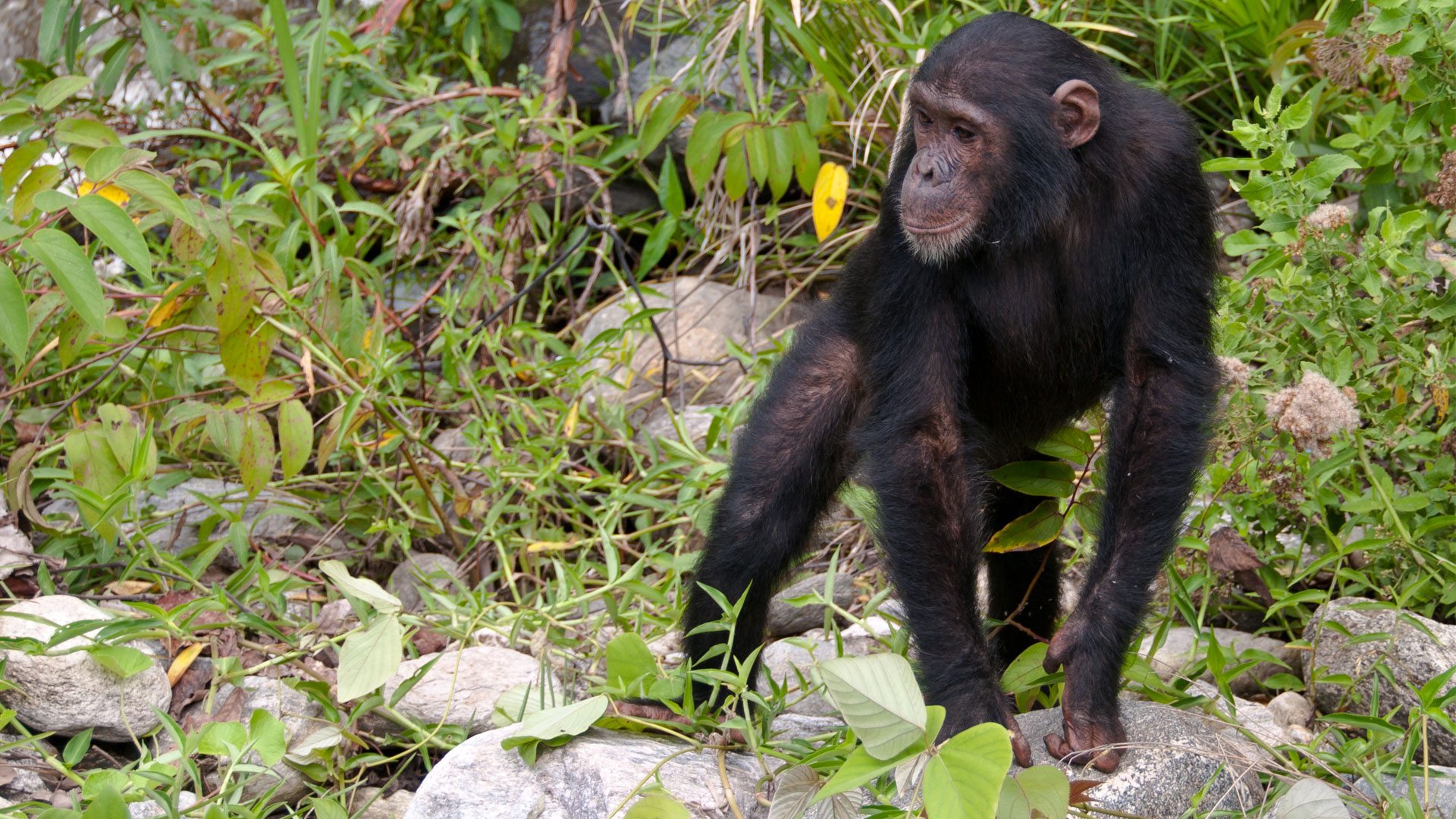
Entering from the Mto wa Mbu gate, you pass immediately into groundwater forest — dark, dense, cathedral-like — where troops of olive baboon and blue monkey move through the canopy above your vehicle. Colobus monkeys, in their striking black-and-white mantles, occasionally appear in the fig trees overhead. The contrast with the dry, dusty road outside the park gate is immediate and dramatic.
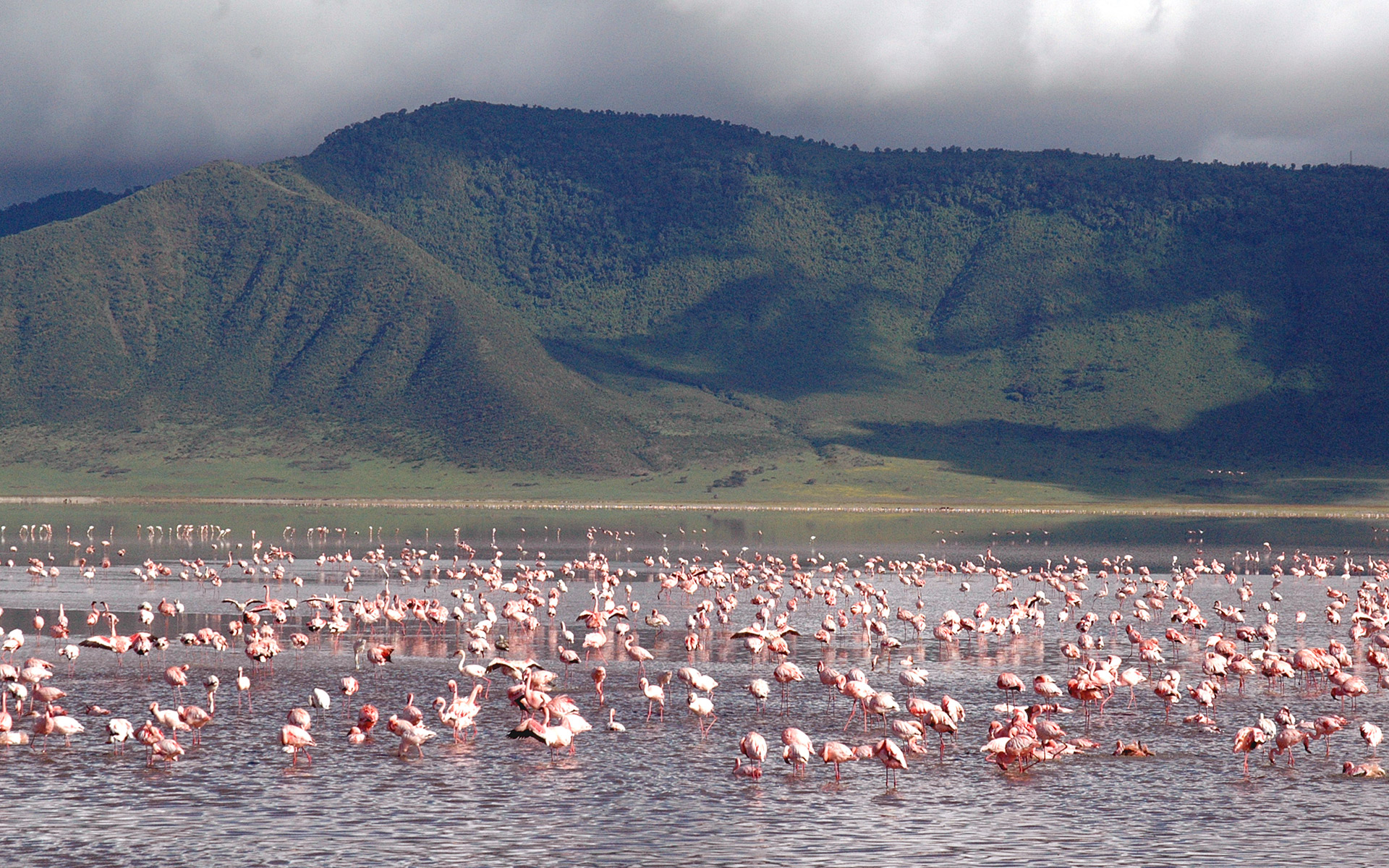
Beyond the forest, the bush thins into acacia woodland and open floodplain, eventually giving way to the vast alkaline shallows of the lake itself. The flamingo population of Lake Manyara alkaline shallows can number into the tens of thousands during peak season, turning the lakeshore a shimmering rose-pink visible from the escarpment above. Hippo pools near the park’s northern end hold some of Tanzania’s most easily observed hippo aggregations — often 20 or more individuals in a single pool, grunting and jostling in the muddy water.
| Habitat Zone | Key Species | Best Time to Visit |
|---|---|---|
| Groundwater Forest | Blue monkey, olive baboon, colobus monkey | Year-round |
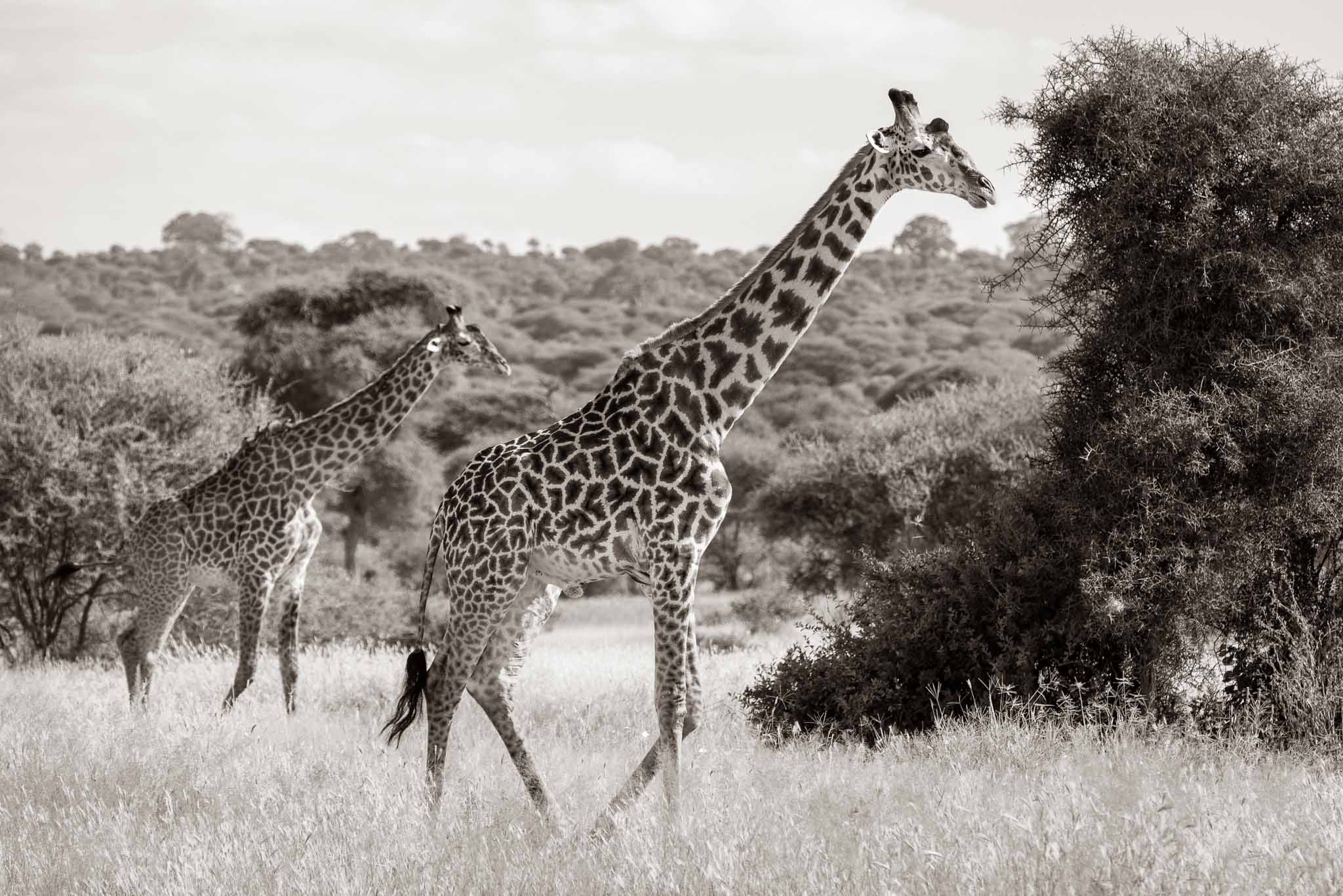
| Acacia Woodland | Tree-climbing lions, giraffe, impala | Dry season (June–Oct) |
| Floodplain | Elephant, buffalo, waterbuck | Dry season |
| Lakeshore | Flamingo, pelican, stork, spoonbill | November – April |
| Alkaline Lake Shallows | Lesser flamingo, great white pelican | November – March |
The Tree-Climbing Lions of Manyara
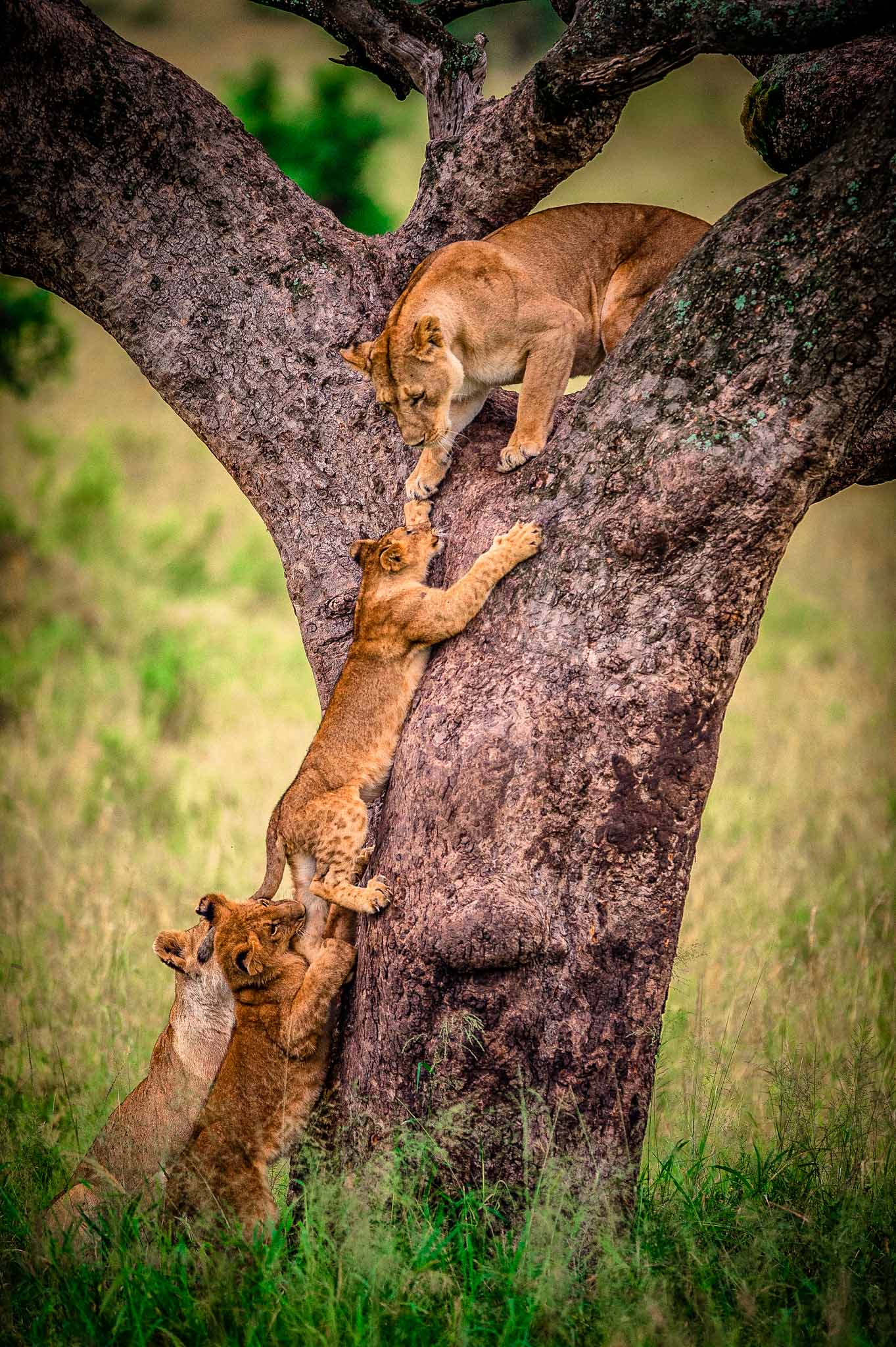
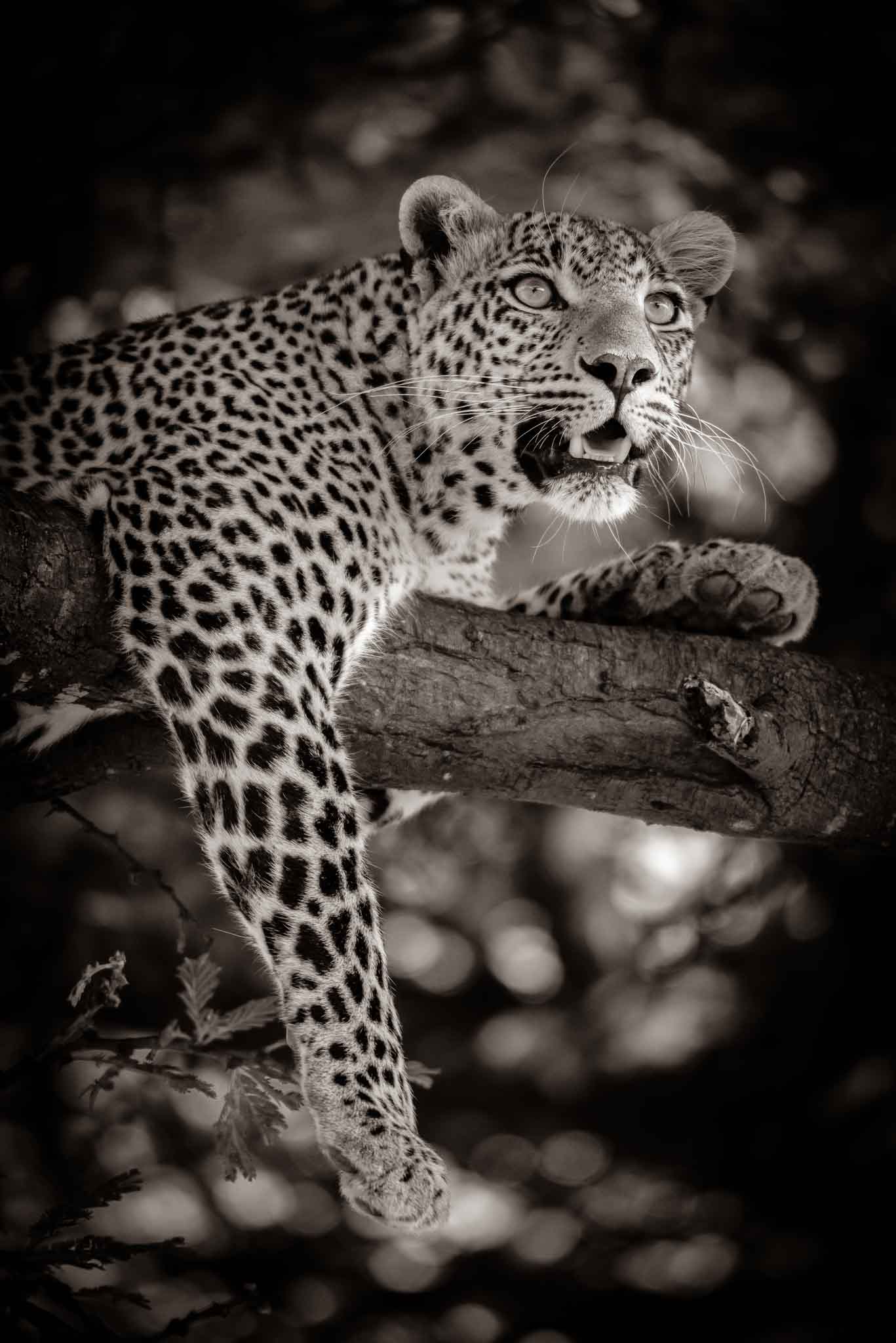
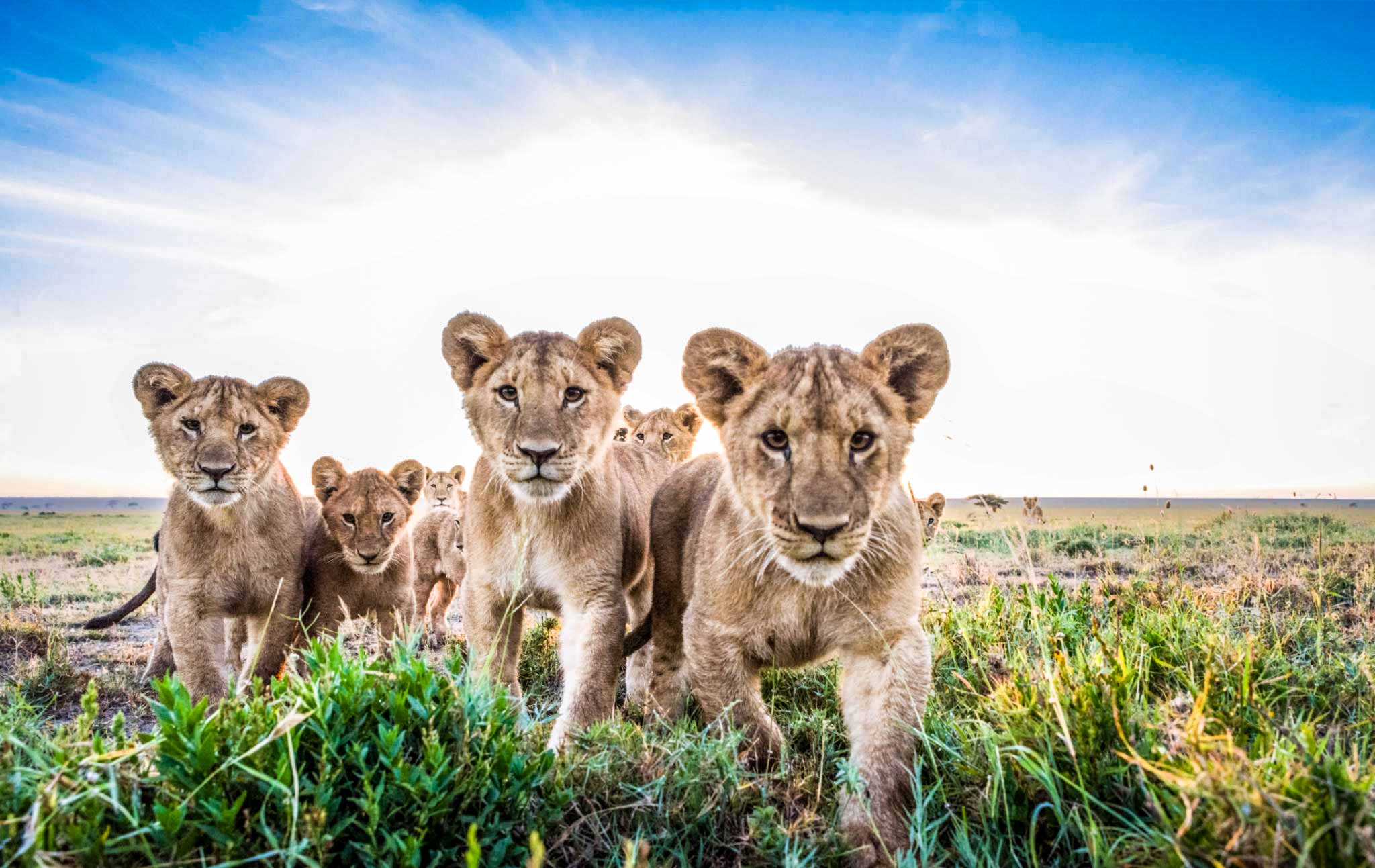
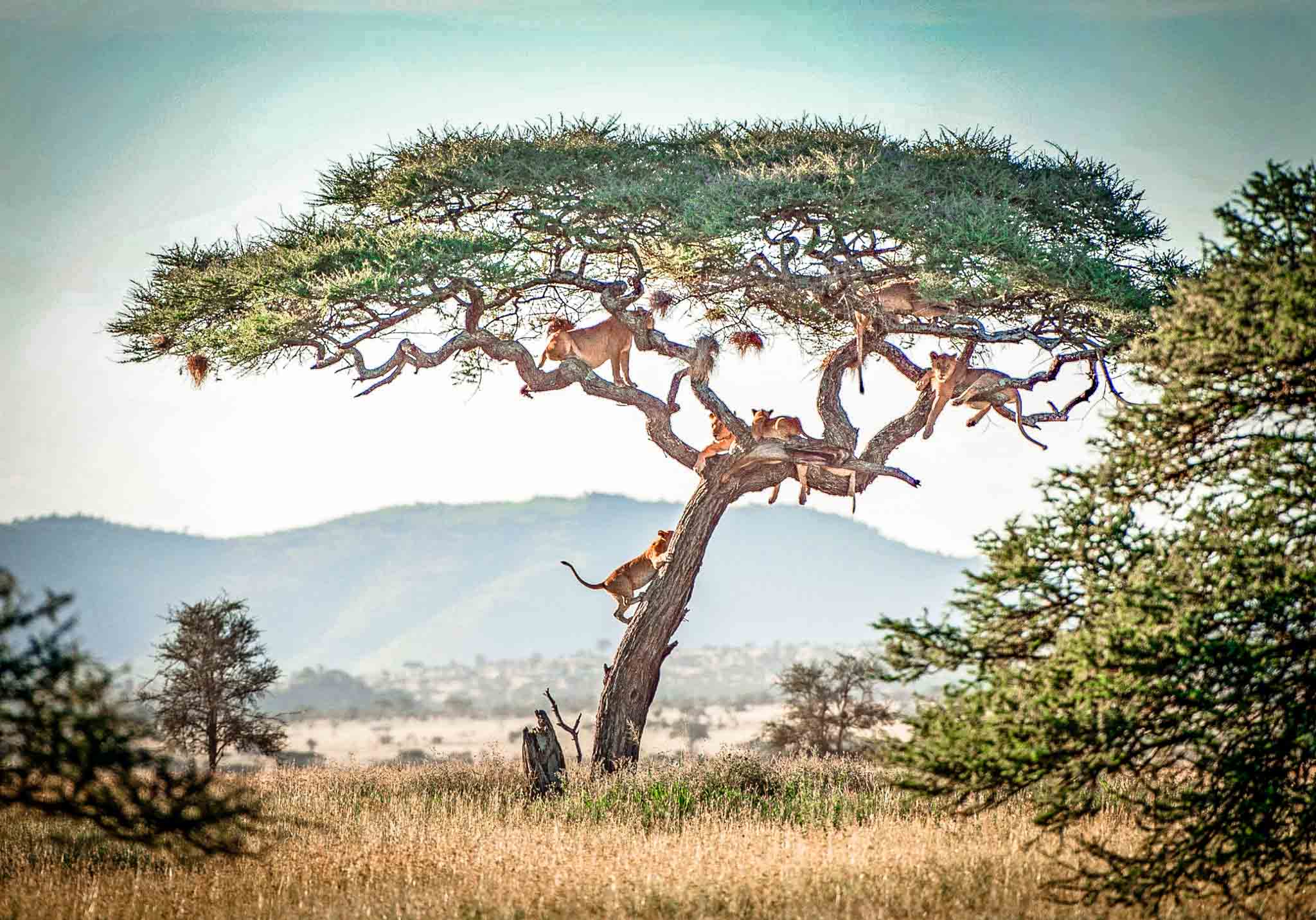
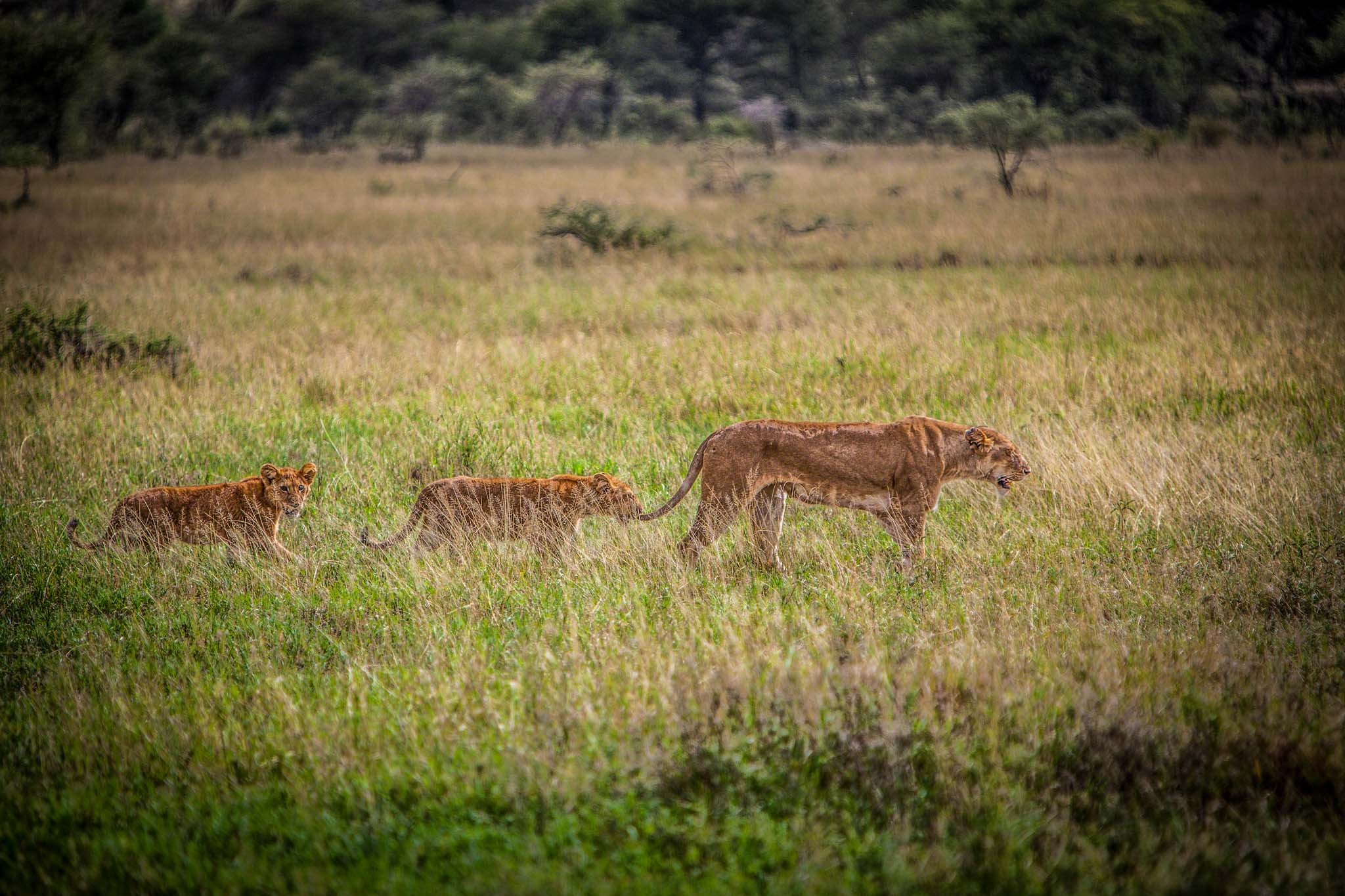
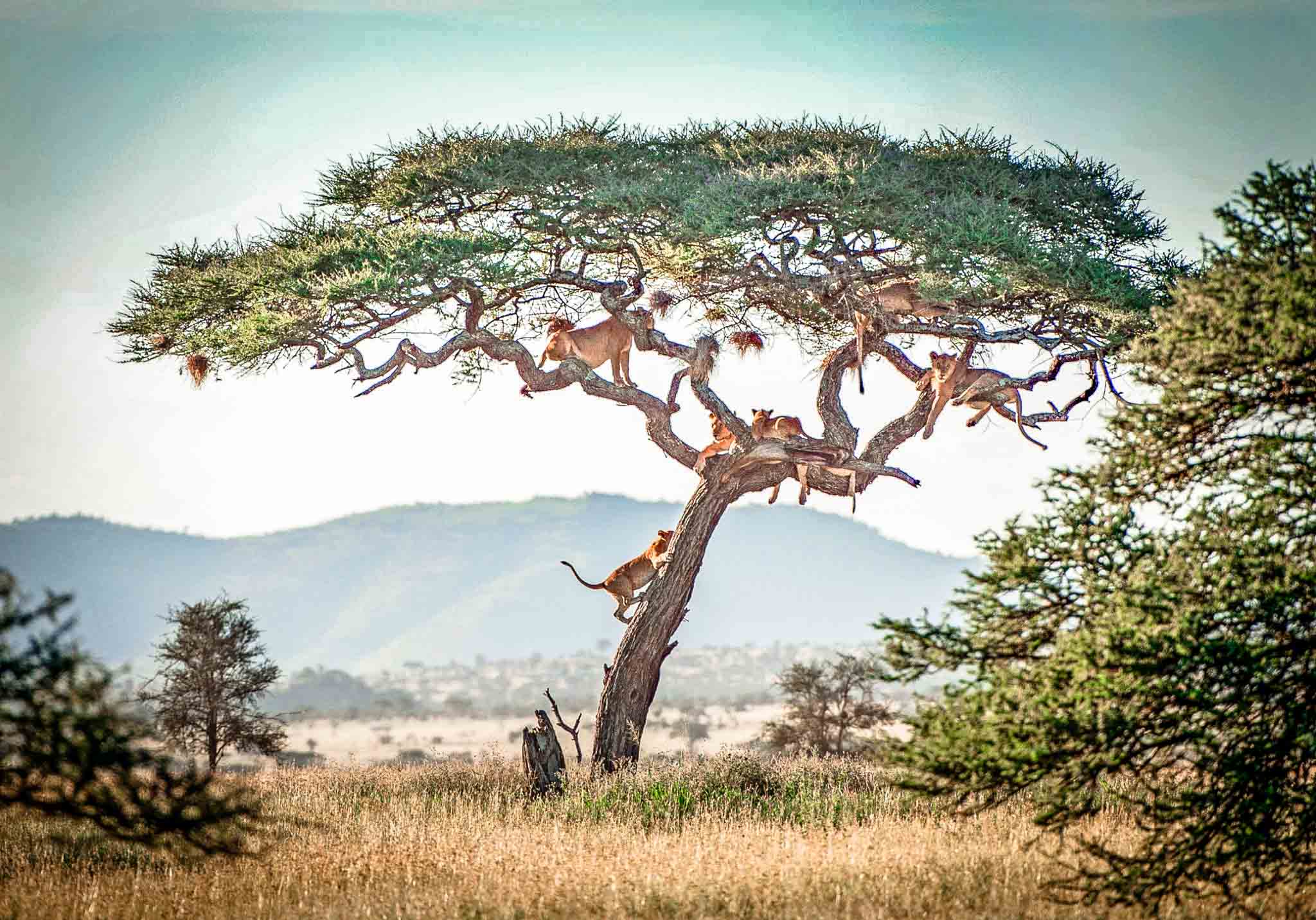
Perhaps nowhere else in Africa is the behaviour of lions climbing acacia trees in Lake Manyara National Park as reliably observed as here. While the exact reason remains debated among researchers — theories range from escaping ground-level tsetse flies and biting insects to gaining better vantage points for spotting prey — the sight of a full-grown lion draped across an acacia branch is genuinely arresting. These are not small cats delicately perched — these are 180-kilogram animals sprawled across branches 3 to 4 metres above the ground with remarkable ease.
The best sightings occur in the acacia woodland zone during the cooler morning hours, particularly in the southern areas of the park. Not all visits guarantee this behaviour — the lions choose their trees based on conditions only they understand — but the anticipation of rounding a bend to find a pride suspended in the acacia canopy above you is part of what makes Manyara memorable.
Birdwatching: 400+ Species in One Park
Lake Manyara National Park birdwatching for flamingos and pelicans attracts dedicated ornithologists from around the world. The park hosts over 400 bird species, including the stunning lilac-breasted roller, the African fish eagle, martial eagle, and, during the wet season, vast flocks of lesser and greater flamingo. The lakeshore at dawn — with the escarpment glowing gold behind it and thousands of birds feeding in the shallows — is one of the quieter transcendent moments available in Tanzania, away from the crowds of the Serengeti. The groundwater forest adds a completely different birdwatching register: trumpeter hornbills, silvery-cheeked hornbills, and the elusive Narina trogon inhabit the canopy.
Activities
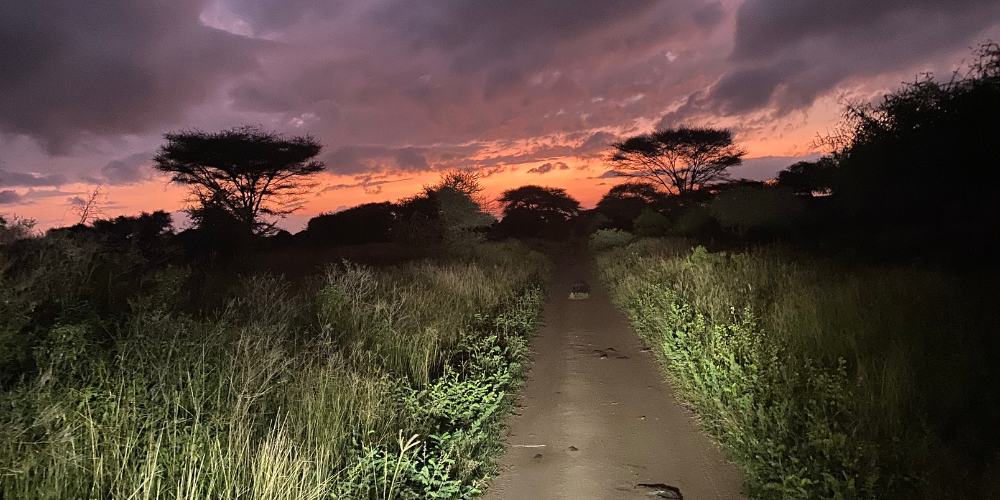
Night Game Drives: Unlike most Tanzanian parks, Manyara permits night game drives through certain operators. Night game drive Lake Manyara to spot bush babies and genets is a genuinely unique activity. With a spotlight, nocturnal species emerge: bush babies (galagos) with their enormous reflective eyes, porcupines rattling through the undergrowth, genets hunting along fallen branches, and occasionally serval cats pausing in the beam.
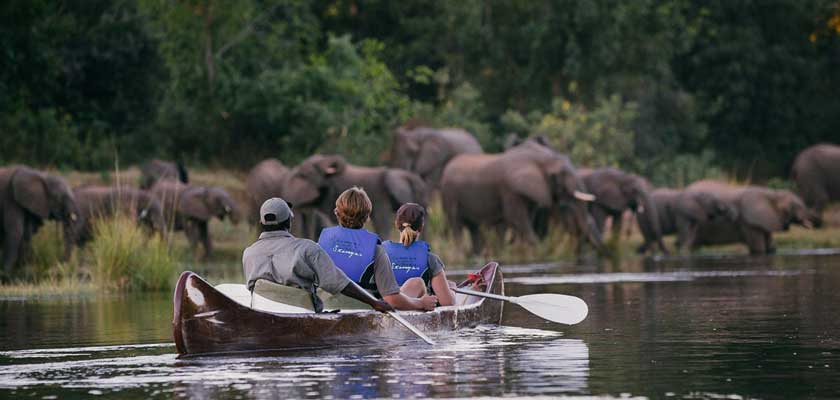
Kayaking & Canoeing: Kayaking on Lake Manyara among hippos and flamingos is available through specialist operators outside the park boundary, offering a water-level perspective on the flamingo flocks and the vast emptiness of the lake that no land-based viewpoint can match. The silence on the water at dawn — with only the sound of your paddle and the distant calls of pelicans — is a profound contrast to the noise and fuel smells of a game vehicle.
Treetop Walkway: The elevated walkway above the groundwater forest near the park entrance allows forest canopy walk Lake Manyara above monkey troops, a perspective that reverses the usual safari dynamic, looking down on the wildlife rather than up.
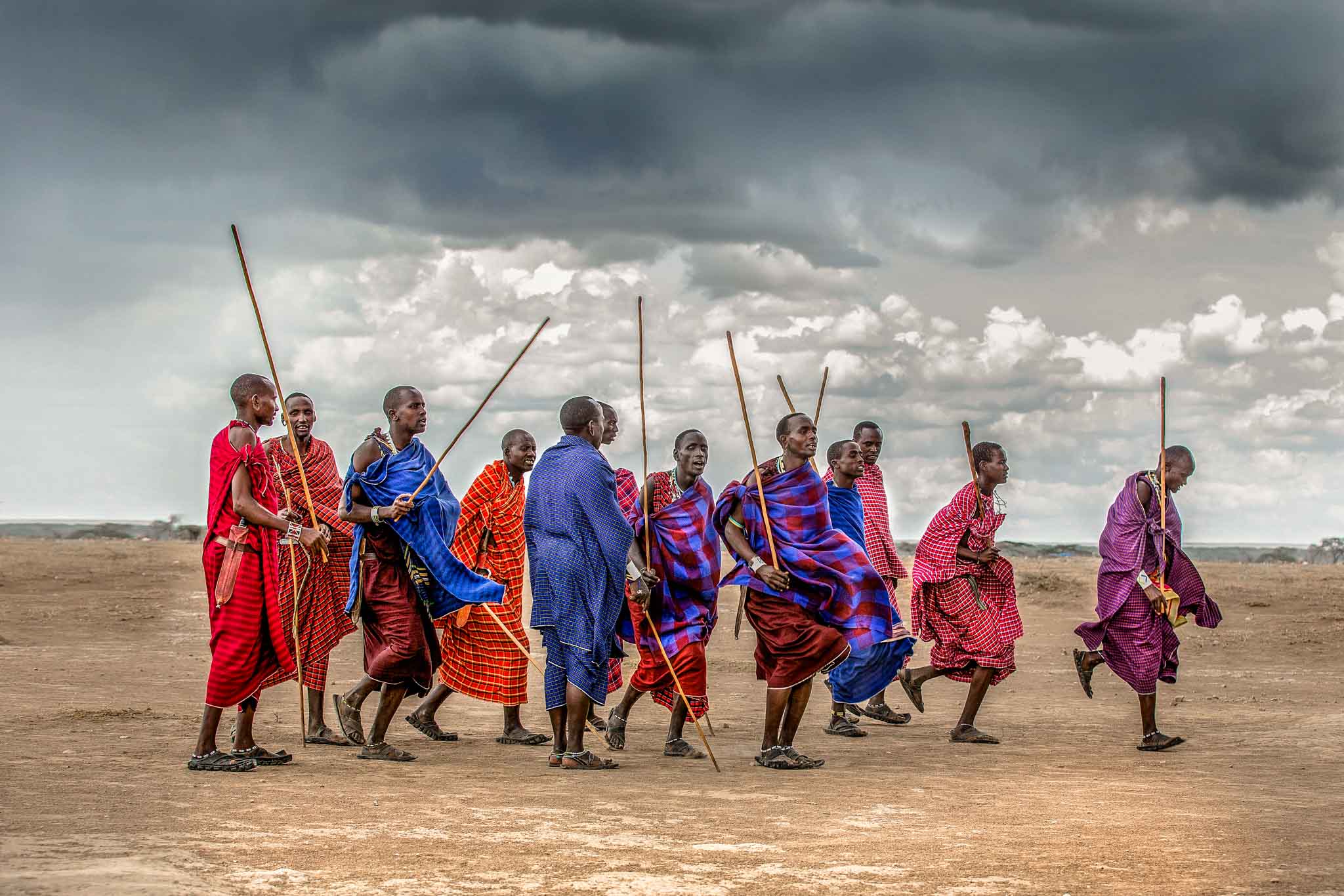
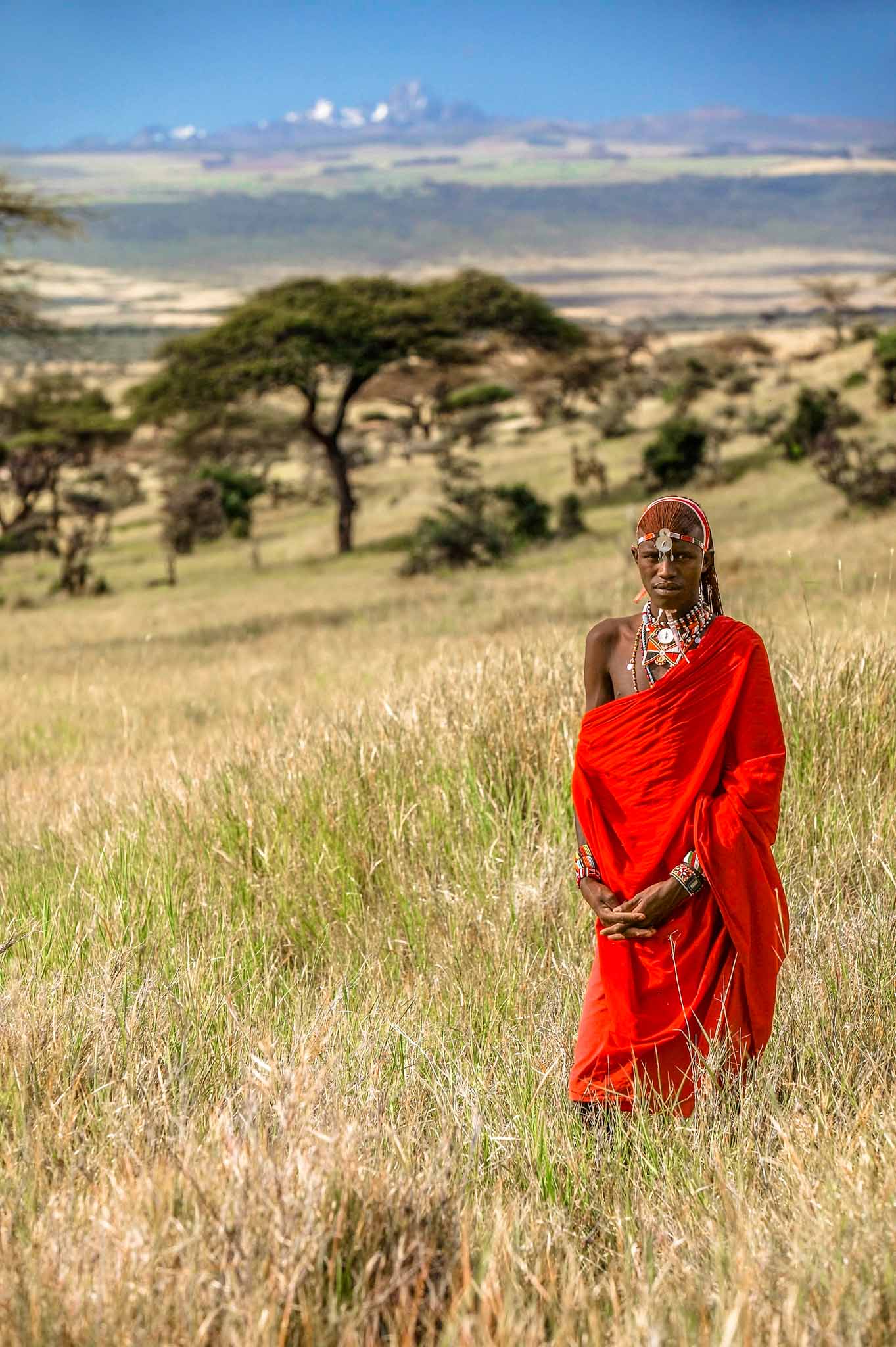
Cultural Visit to Mto wa Mbu: The town outside the gate is one of Tanzania’s most diverse, settled by over 120 different ethnic groups. The local market, banana beer brewing demonstrations, and guided village walks make Mto wa Mbu cultural village tour near Lake Manyara an excellent half-day addition.
━━━━━━━━━━━━━━━━━━━━━━━━━━━━━━━━━━━━━━━━━━━━━━━━━━━━━━
LUXURY TIER
━━━━━━━━━━━━━━━━━━━━━━━━━━━━━━━━━━━━━━━━━━━━━━━━━━━━━━
► Lake Manyara Tree Lodge (&Beyond)
Location : Inside the park — groundwater forest
Price : USD 1,500–2,000 per person per night
Style : 10 tree houses elevated above the forest floor
Unique : Only lodge inside Manyara — private park access
► Escarpment Luxury Lodge
Location : Crater rim above Manyara
Price : USD 600–900 per person per night
Style : Infinity pool, panoramic lake views
Unique : Sunrise over the lake is world-class
━━━━━━━━━━━━━━━━━━━━━━━━━━━━━━━━━━━━━━━━━━━━━━━━━━━━━━
MID-RANGE TIER
━━━━━━━━━━━━━━━━━━━━━━━━━━━━━━━━━━━━━━━━━━━━━━━━━━━━━━
► Lake Manyara Serena Safari Lodge
Location : Escarpment rim
Price : USD 300–500 per person per night
Style : Classic safari lodge, reliable service
► Kirurumu Manyara Lodge
Location : Escarpment above Mto wa Mbu
Price : USD 250–400 per person per night
Style : Tented rooms, garden setting
━━━━━━━━━━━━━━━━━━━━━━━━━━━━━━━━━━━━━━━━━━━━━━━━━━━━━━
BUDGET TIER
━━━━━━━━━━━━━━━━━━━━━━━━━━━━━━━━━━━━━━━━━━━━━━━━━━━━━━
► Panorama Safari Camp
Price : USD 80–150 per person per night
Style : Simple tents, good views
► Twiga Campsite (TANAPA)
Price : USD 30–40 per person
Style : Basic public campsite near park gate
━━━━━━━━━━━━━━━━━━━━━━━━━━━━━━━━━━━━━━━━━━━━━━━━━━━━━━