Walking with the Hadzabe — Africa’s Last Hunter-Gatherers
Northern Tanzania | Rift Valley | Hadzabe & Datoga Communities
Lake Eyasi does not appear on most safari itineraries, and that is precisely its value. This alkaline lake in the eastern arm of the Great Rift Valley, south of Ngorongoro, is not primarily a wildlife destination — it is one of the last places on Earth where you can spend meaningful time with the Hadzabe people, one of Africa’s few remaining hunter-gatherer societies. For travellers seeking Hadzabe hunter-gatherer experience Lake Eyasi Tanzania cultural immersion, this is an encounter that requires respect, cultural sensitivity, and a willingness to abandon the comfort of a game vehicle for something far more profound and irreplaceable.
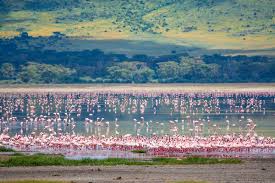
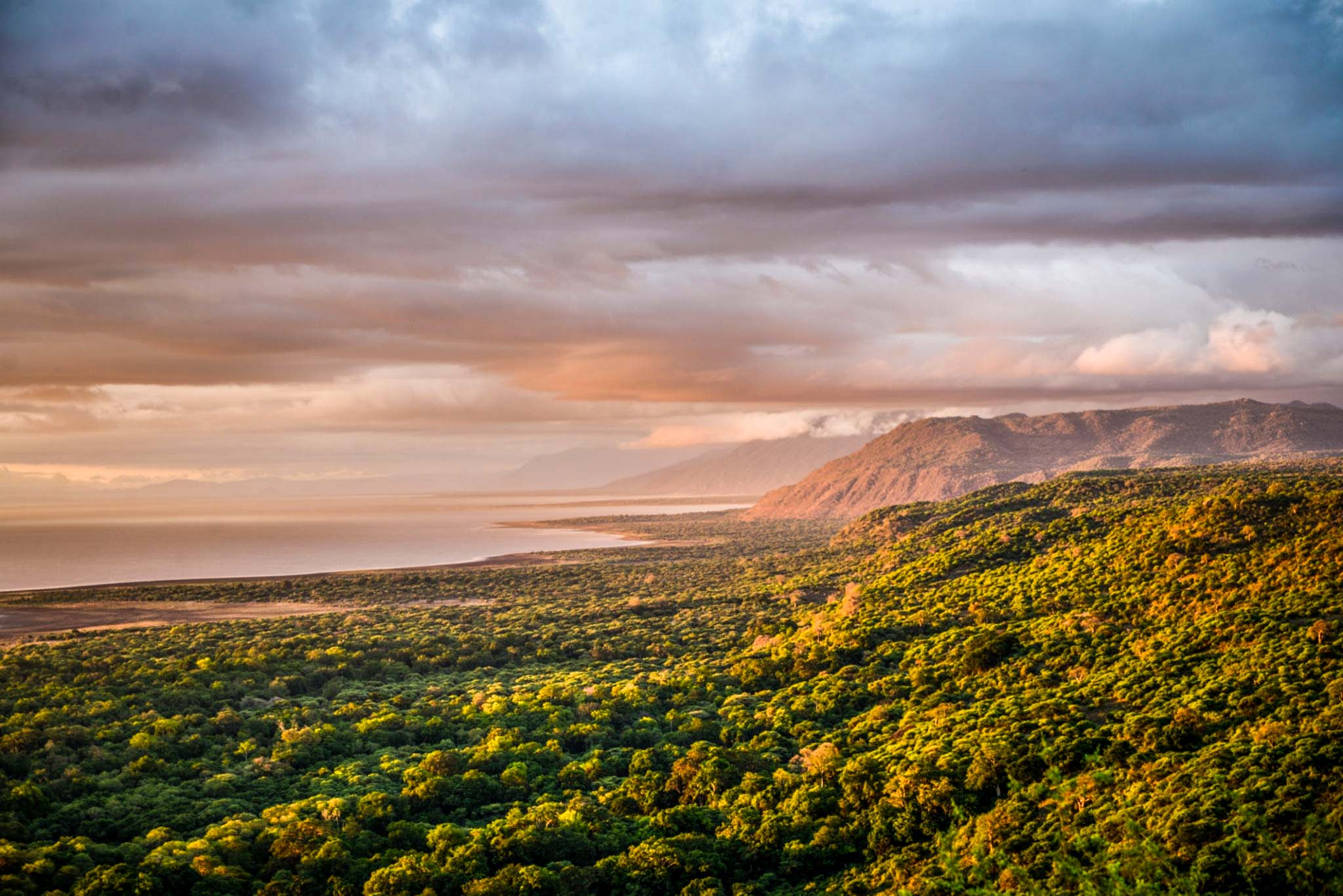
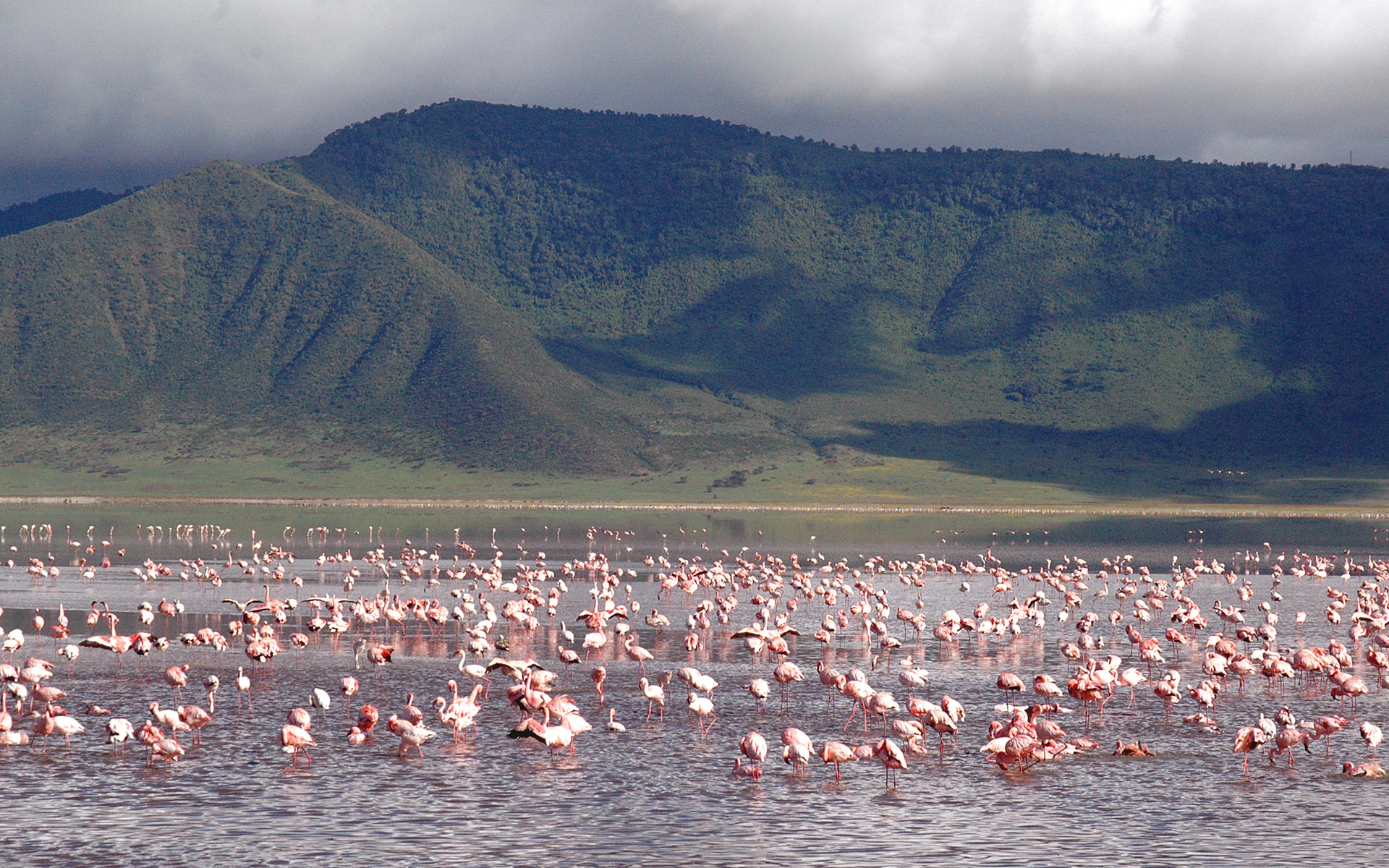
The drive to Lake Eyasi itself is part of the experience. The road descends from the Ngorongoro highlands through a dramatic escarpment, the air warming as you drop in altitude, the vegetation shifting from highland forest to dry scrub. The lake appears suddenly — a vast, flat, shimmering expanse of alkaline water fringed with yellow grasses and thorn scrub, overlooked by the dark wall of the rift escarpment. There is almost nothing here by way of tourist infrastructure, which is entirely the point.
The Hadzabe: Africa’s Last Hunter-Gatherers
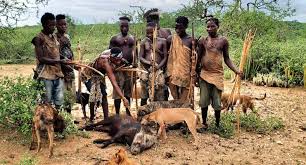
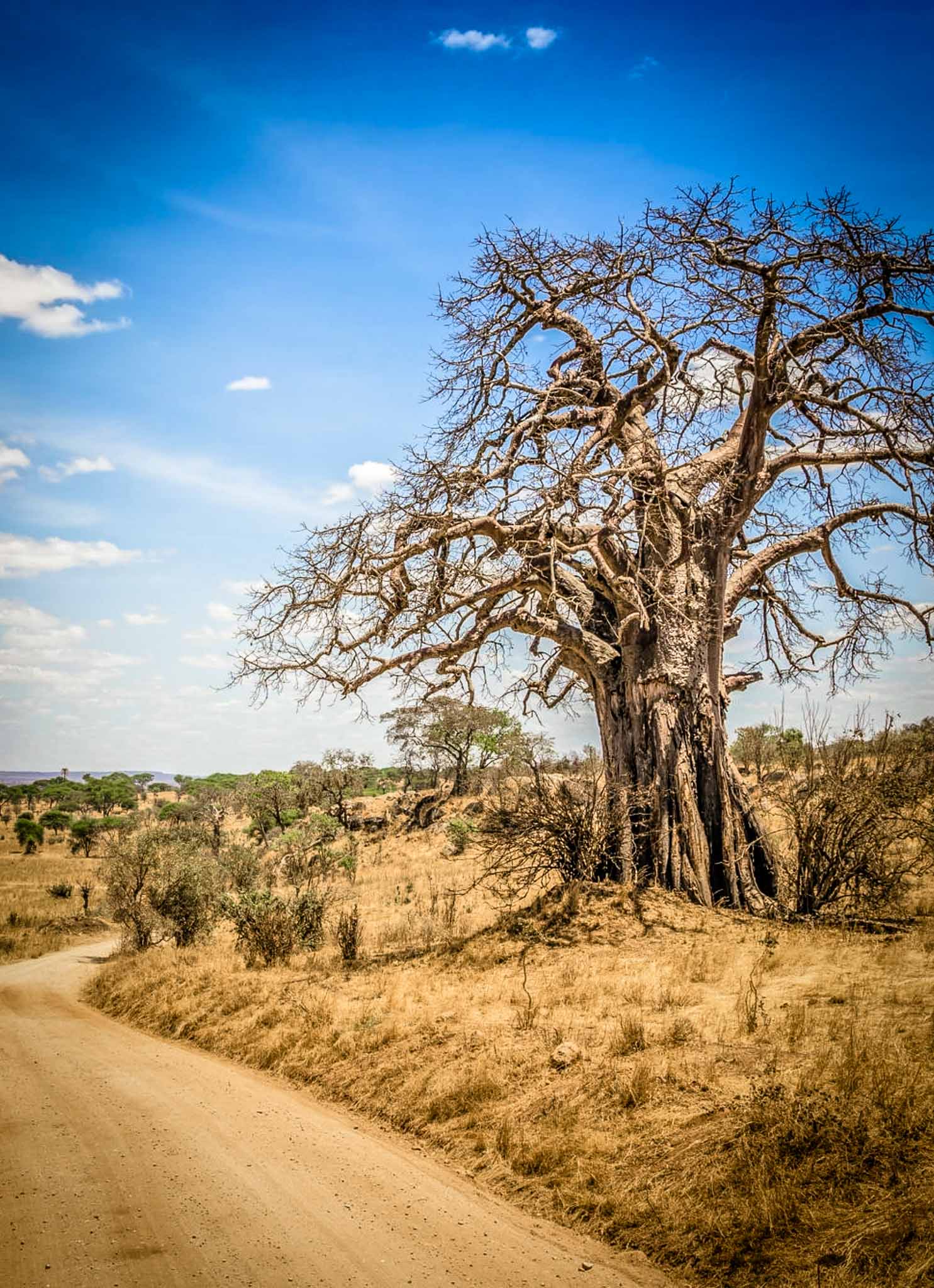
The Hadzabe (or Hadza) number approximately 1,300 people, of whom perhaps 300–400 still follow a fully traditional lifestyle of hunting and foraging. Their click-consonant language — one of the few click languages outside southern Africa — is unrelated to any other human tongue on Earth, suggesting an ancient lineage and an extraordinary isolation from the demographic movements that have reshaped Africa’s ethnic landscape over the past 10,000 years. Hadzabe click language ancient East African indigenous tribe Tanzania represents a living connection to the deep human past that linguistic researchers consider among the most significant surviving in the world.
| Aspect of Hadzabe Life | Description |
|---|---|
| Diet | Hunted game, wild honey (their most prized food), baobab fruit, tubers, seasonal berries |
| Hunting Tools | Handmade bows with poison-tipped arrows; fire started by hand drill in under 30 seconds |
| Shelter | Temporary grass shelters or rock overhangs — no permanent settlements |
| Social Structure | Fully egalitarian — no chiefs, no hierarchy, decisions by consensus |
| Language | Hadzane — a click language unrelated to any other family on Earth |
| Religion | Animist — relationship with Haine (the moon) and ancestral spirits of the bush |
| Land Relationship | No concept of land ownership — the bush belongs to everyone and no one |
A morning with Hadzabe hunters begins before dawn. They string their bows by firelight, discuss the night’s animal movements in quiet clicks and words, and move into the bush at first light with a silence and purposefulness that feels ancient. They track, they wait, they read signs in bent grass and animal droppings that are invisible to untrained eyes. Whether or not a hunt is successful, the experience of moving through the landscape with people for whom the bush is genuinely home — not a tourist destination, not a conservation area, but home — is permanently transformative.
The Datoga Blacksmiths
Living alongside the Hadzabe around Lake Eyasi are the Datoga (or Barabaig) — Nilotic pastoralists famed across northern Tanzania as highly skilled blacksmiths. Datoga blacksmith traditional ironwork Lake Eyasi Tanzania forge visit is a craft tradition maintained entirely without industrial tools: bellows are made from goatskin, charcoal is produced from local hardwood, and the finished arrowheads, knives, bracelets, and ornamental jewellery are traded across the entire region. The Datoga supply the Hadzabe with metal arrowheads in exchange for honey and game meat — an economic relationship that has persisted for centuries with a logic of mutual dependency.
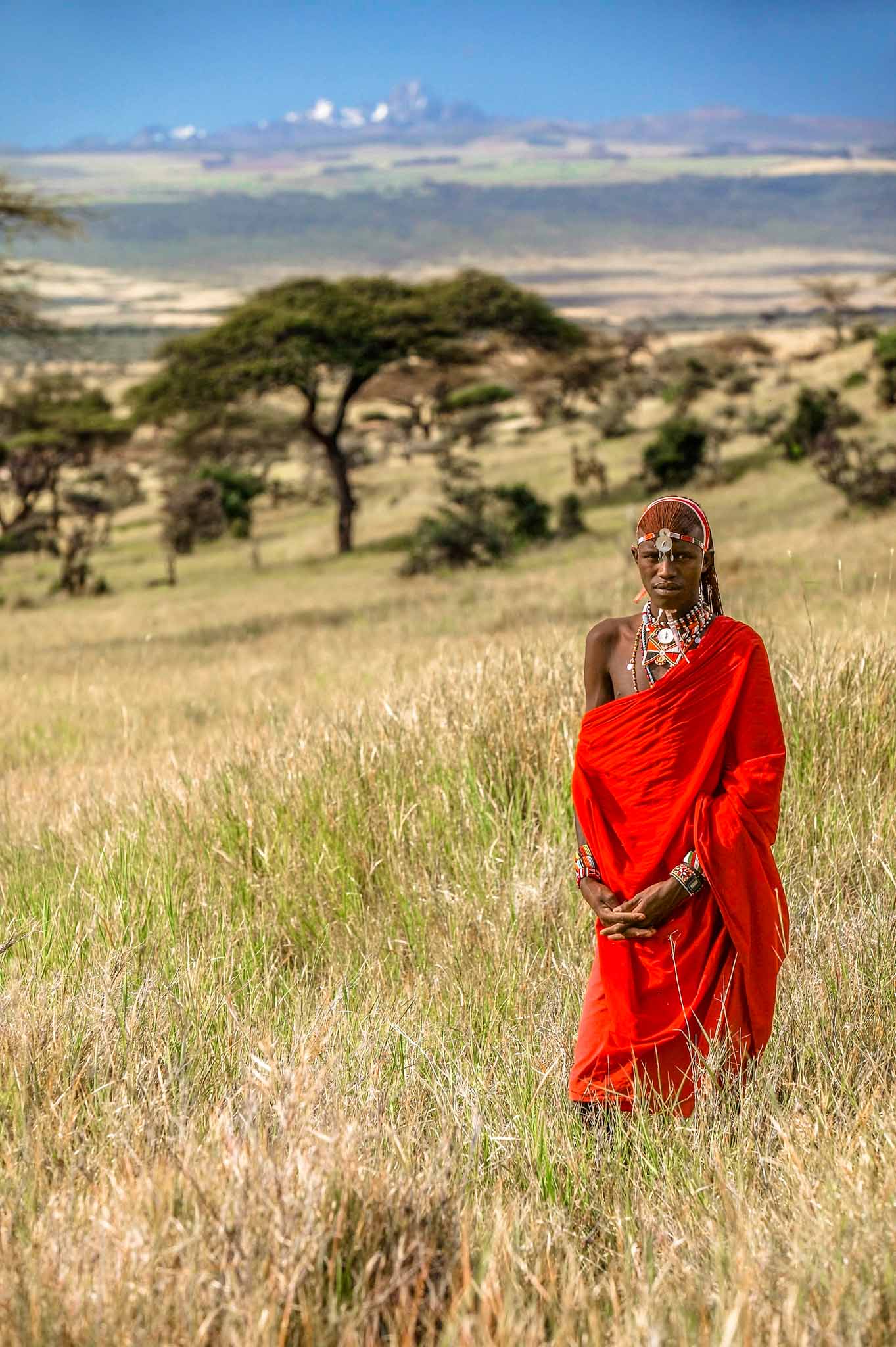
Visiting a Datoga forge is a raw and extraordinary sensory experience — the heat, the rhythm of hammering on an iron anvil, the smell of burning charcoal, the hiss of hot metal in water, and the evident pride of the craftsmen in their work combine into something entirely unlike any tourist experience. The Datoga are also remarkable for their elaborate facial tattoos — small circular raised scars around the eyes — and their distinctive leather and beaded jewellery.
The Lake & Its Birdlife
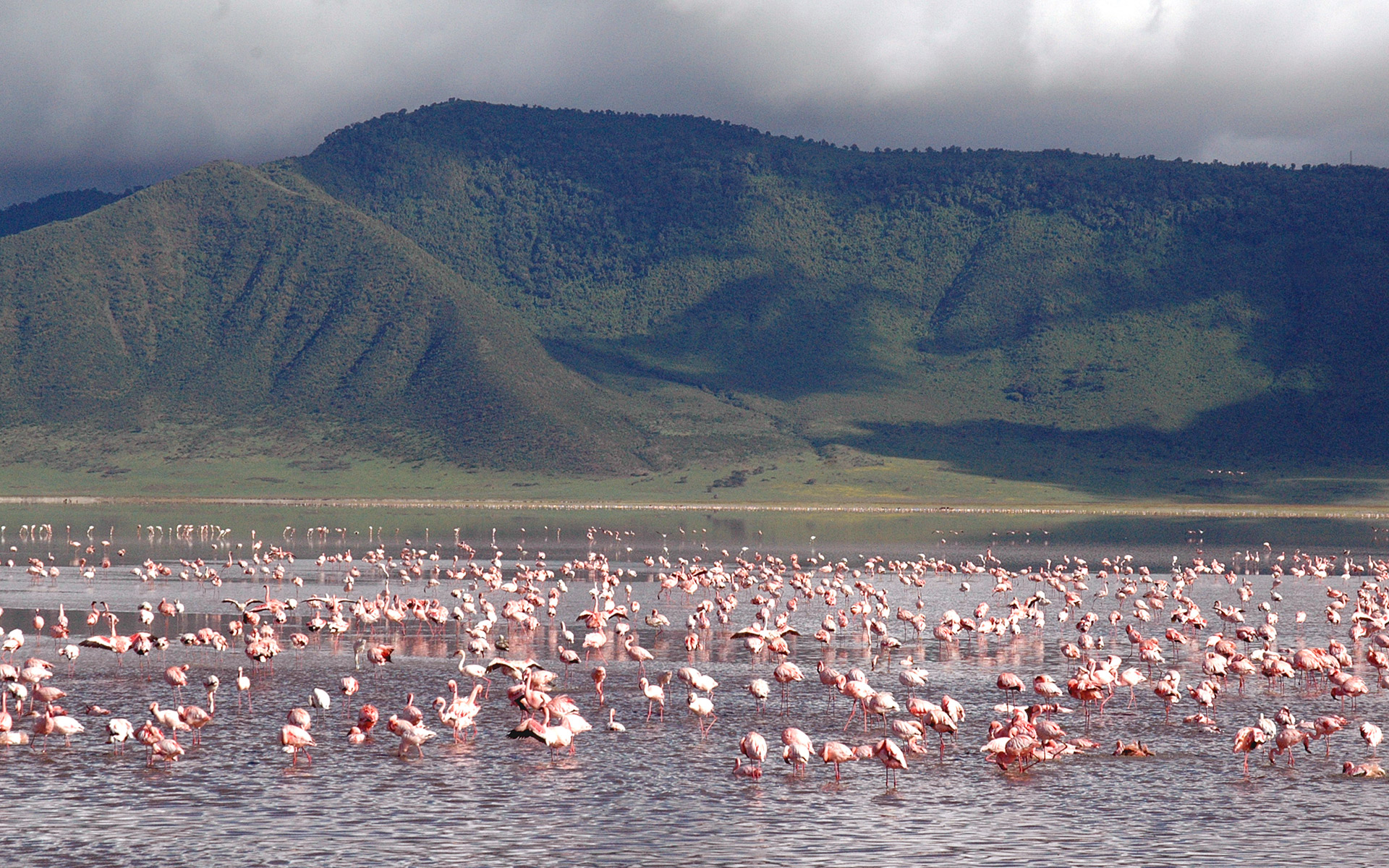
Lake Eyasi flamingo waterbird birdwatching alkaline lake Tanzania offers significant ornithological rewards, particularly in wetter seasons when flamingos gather on the alkaline shallows in their thousands and open-billed storks, avocets, black-winged stilts, and African spoonbills wade the margins. The lake itself is too alkaline for swimming, but its vast, shimmering stillness — framed by the escarpment wall turning orange in the late afternoon — creates the sensation of standing at the edge of deep time.