Tanzania’s Elephant Paradise and Baobab Kingdom
Northern Tanzania | 2,850 km² | Tarangire–Manyara Ecosystem
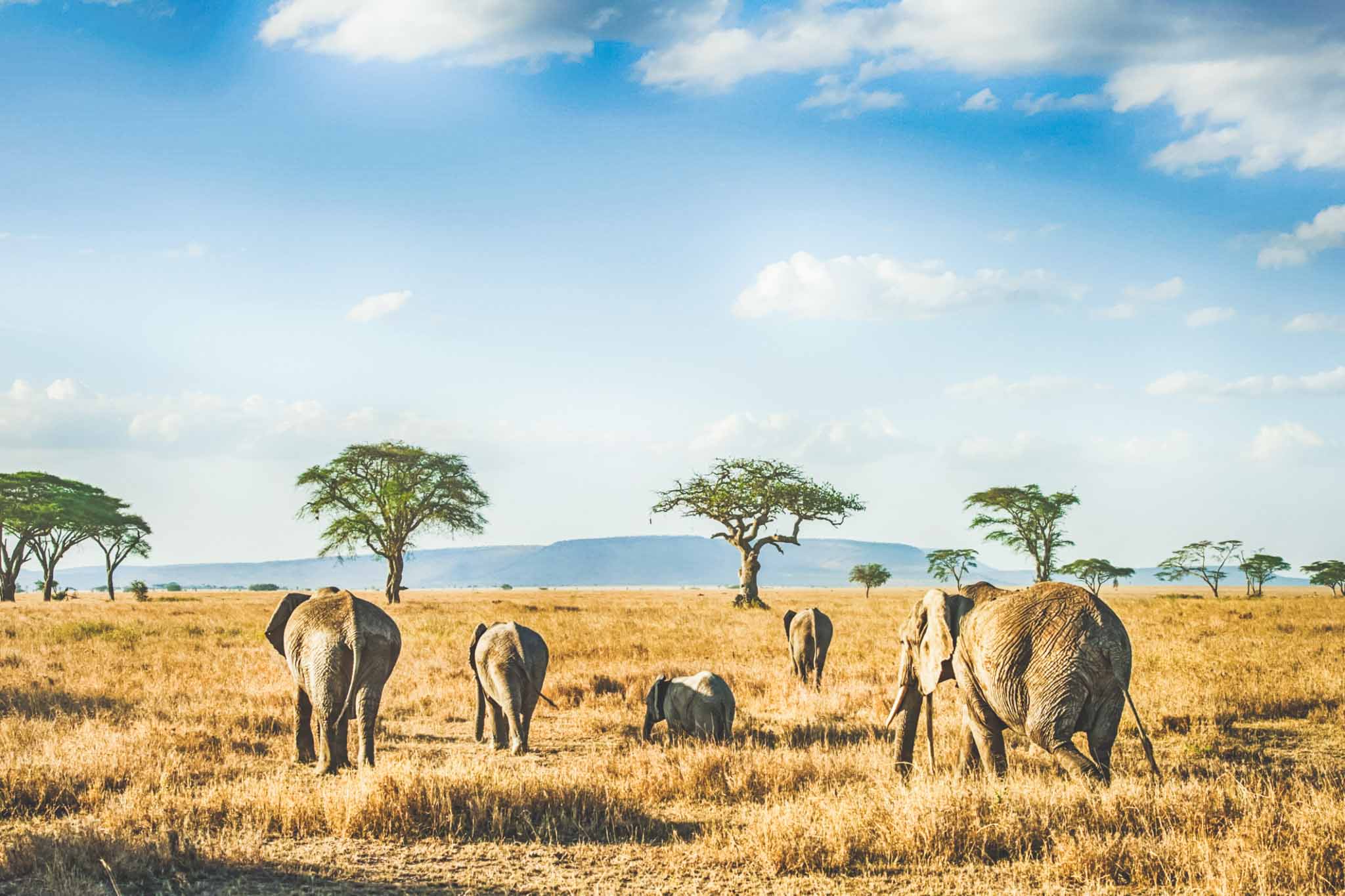
If the Serengeti belongs to the wildebeest and the Ngorongoro to the lion, then Tarangire belongs, without question, to the elephant. During the dry season (June to October), the Tarangire River becomes the only permanent water source across a vast landscape, drawing some of the largest elephant concentrations in Africa. Travellers specifically searching for largest elephant herds in Tanzania dry season Tarangire River will find congregations of 300 or more individuals gathering at the river — bulls, matriarchs, calves, and teenage males all pressing toward the water with the urgency of survival. This is not a zoo encounter or a managed wildlife experience. This is raw ecological reality playing out across a dusty floodplain, and it is magnificent.
The Baobab Landscape
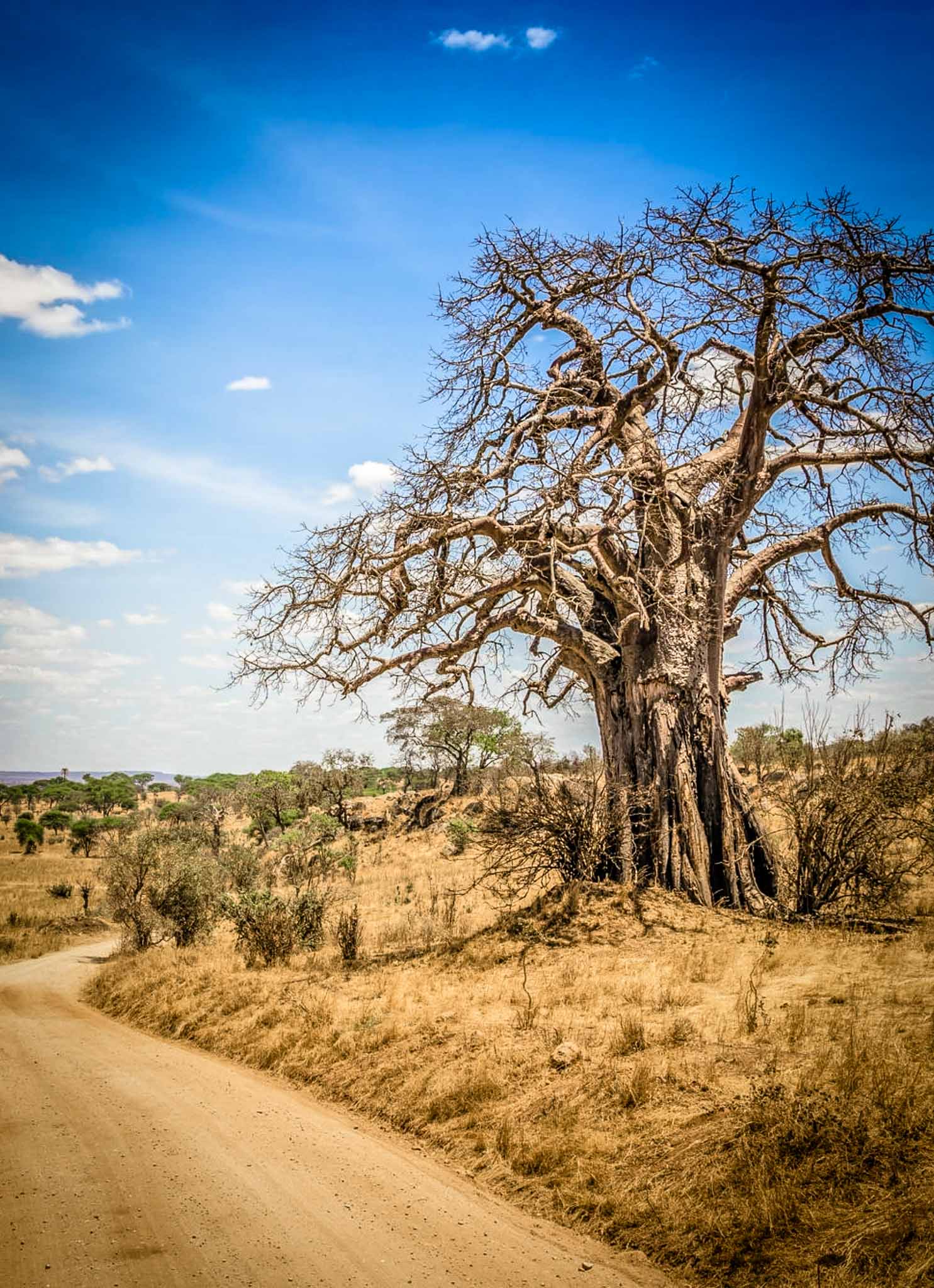
Tarangire’s visual identity is unlike any other park in Tanzania. Ancient baobab trees — some over 1,000 years old with trunks 10 metres in circumference — dot the landscape like sculptures placed by a thoughtful and whimsical hand. This is Tarangire National Park giant ancient baobab trees photography, and photographically, it is one of the most distinctive safari environments in Africa. At sunset, when the baobabs turn gold against a crimson sky with elephants silhouetted in the middle ground, even seasoned wildlife photographers fall quiet.
Elephants hollow out baobab trunks during droughts to access stored moisture — the trees become emergency water reservoirs in a parched landscape. The resulting hollows and scars give each baobab an individual character, a biography written in elephant teeth and dry seasons. Some trees in Tarangire have been visited by elephants for so many generations that the hollowing has created chambers large enough to shelter a person.
Wildlife: Beyond the Elephants
| Species | Tarangire Population | Viewing Season | Notes |
|---|---|---|---|
| African Elephant | 4,000+ | June – October (peak) | Largest dry-season concentration in Africa |
| Greater Kudu | Excellent | Year-round | Unique to Tarangire among northern parks |
| Fringe-eared Oryx | Good | Dry season | Rarely seen elsewhere in northern circuit |
| Wildebeest | High (migratory) | Wet season | Part of Tarangire–Manyara ecosystem migration |
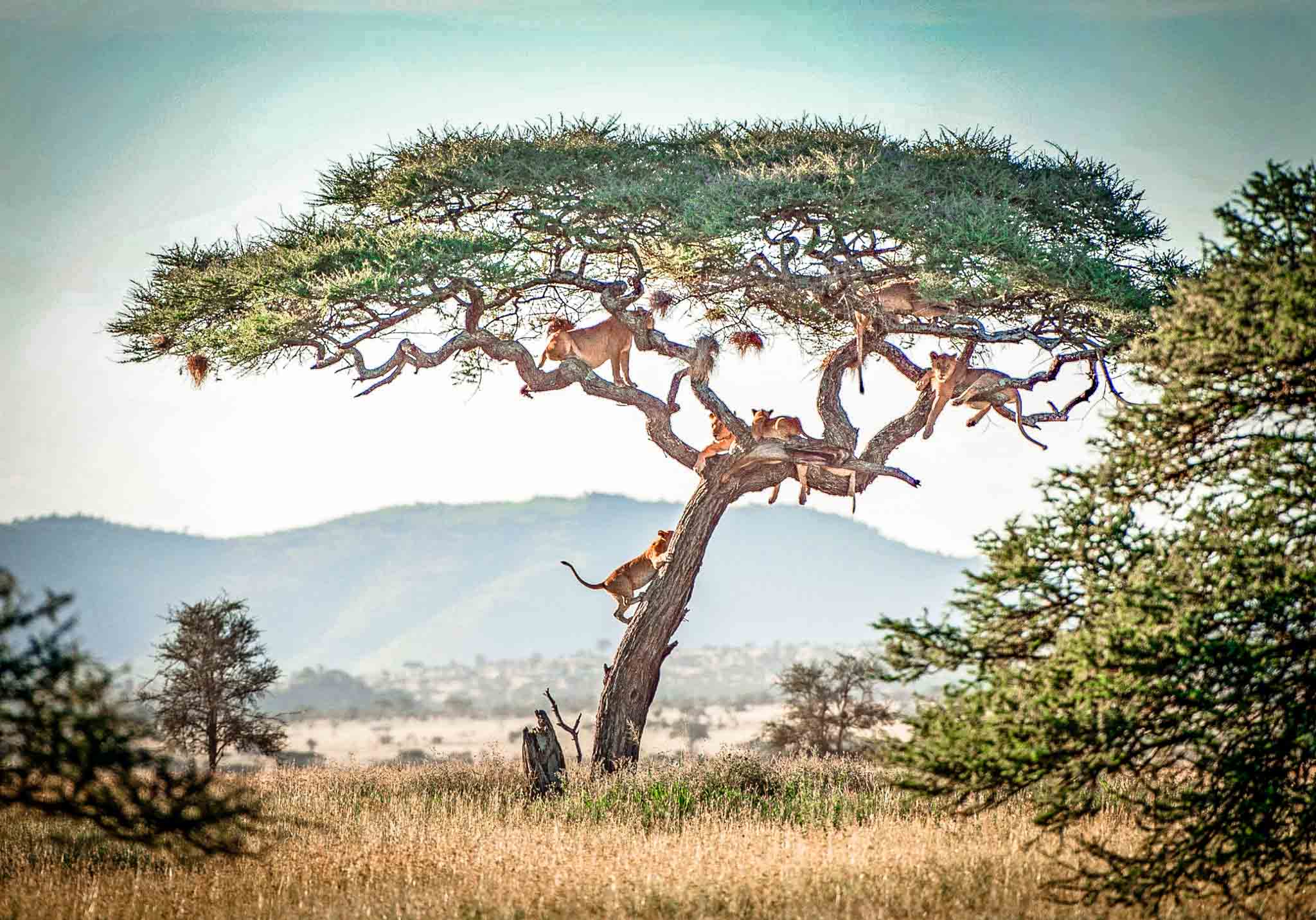
| Lion | Present | Dry season | Often seen hunting near the river |
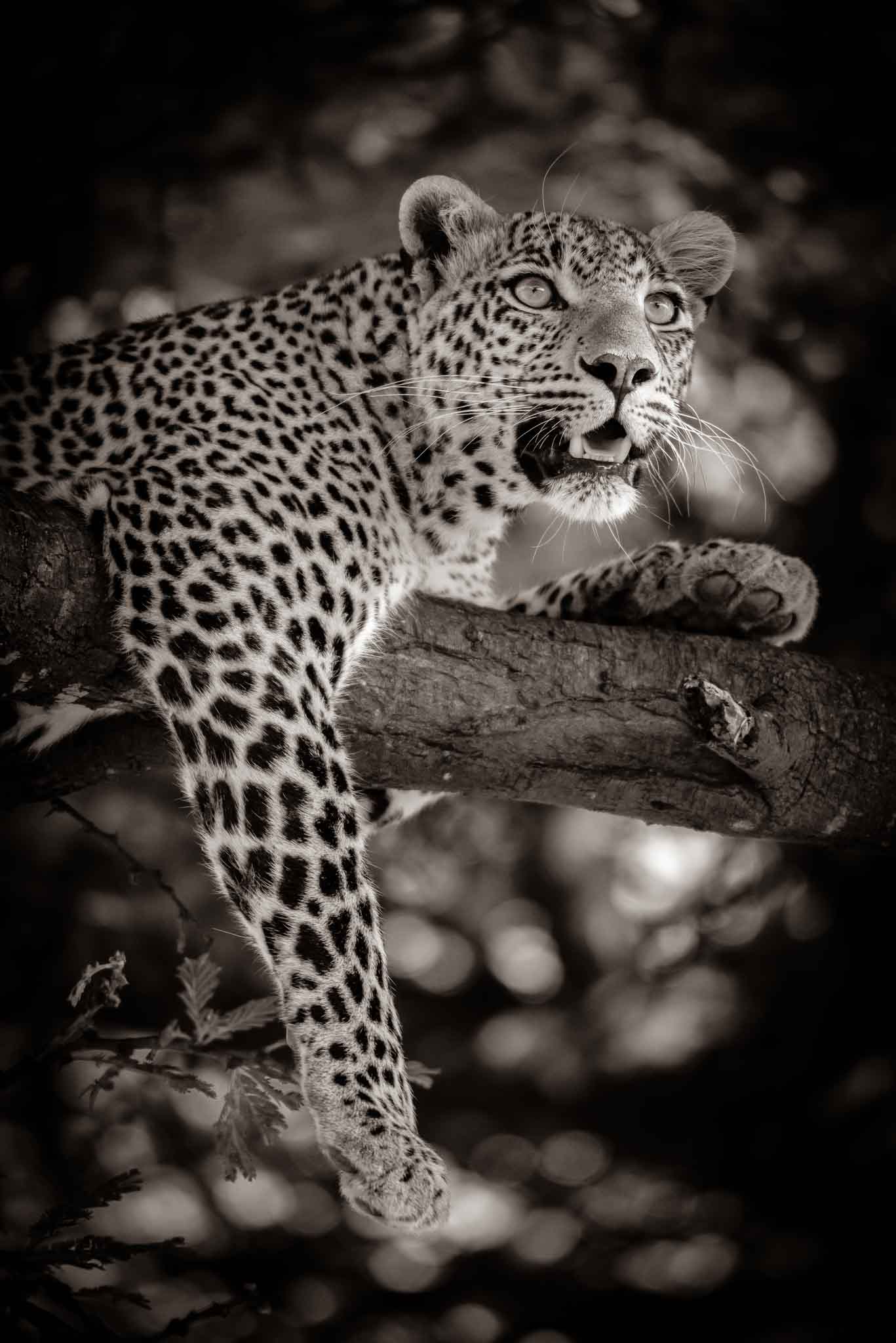
| Leopard | Present, secretive | Year-round | Best at night or early morning |
| Python | Notable | Year-round | Large rock pythons in termite mounds |
| Eland | Large herds | Dry season | Africa’s largest antelope — impressive sightings |
The greater kudu of Tarangire deserve special mention. The males — with their magnificent spiralling horns that can grow to 1.8 metres in length — move through the bush with an improbable elegance, materialising silently from the undergrowth and disappearing just as quietly. Greater kudu sightings in Tarangire National Park dry season are among the most reliably excellent in East Africa, and for those accustomed to seeing only the standard five Big Game species, encountering a herd of kudu bulls in the golden Tarangire light is a revelation.
The Tarangire Migration: Tanzania’s Lesser-Known Secret
Most visitors focus on the Serengeti Migration, but Tarangire has its own dramatic seasonal movement. During the wet season (November to May), wildebeest, zebra, and gazelle spread out across the Simanjiro Plains east of the park — an area reaching into Maasai community lands where the grass grows tall and thick after the rains. For travellers interested in Tarangire Simanjiro Plains calving season wildebeest January February, this period brings enormous herds onto the plains, with predator activity following closely behind. The Simanjiro Plains are accessible only through specific community conservation operators who work with Maasai landowners — a model that directly funds local communities.
Birding in Tarangire: A World-Class Experience
With over 550 recorded bird species, Tarangire is among Tanzania’s top birding destinations. Birding in Tarangire National Park yellow-collared lovebird endemic species includes highlights rarely or never seen elsewhere on the northern circuit, such as the yellow-collared lovebird (endemic to this region), the ashy starling (found almost exclusively in the Tarangire ecosystem), and the vociferous northern pied babbler. The riverine forest along the Tarangire River is particularly productive at dawn, when dozens of species call simultaneously in the cool morning air. Martial eagles perch on the highest baobab crowns surveying the plain, while yellow-billed hornbills forage in noisy family groups at eye level.
Seasonal Guide
| Season | Months | Why Visit | Drawback |
|---|---|---|---|
| Peak Dry | July – October | Maximum elephants, predator viewing | Can be hot and dusty by afternoon |
| Short Wet | November – December | Green, good birdwatching | Some tracks become difficult |
| Long Wet | March – May | Empty, lush, lowest rates | Heavy rain, access limited |
| Early Dry | June | Build-up of elephants, cool mornings | Fewer animals than peak |
Unique Experiences
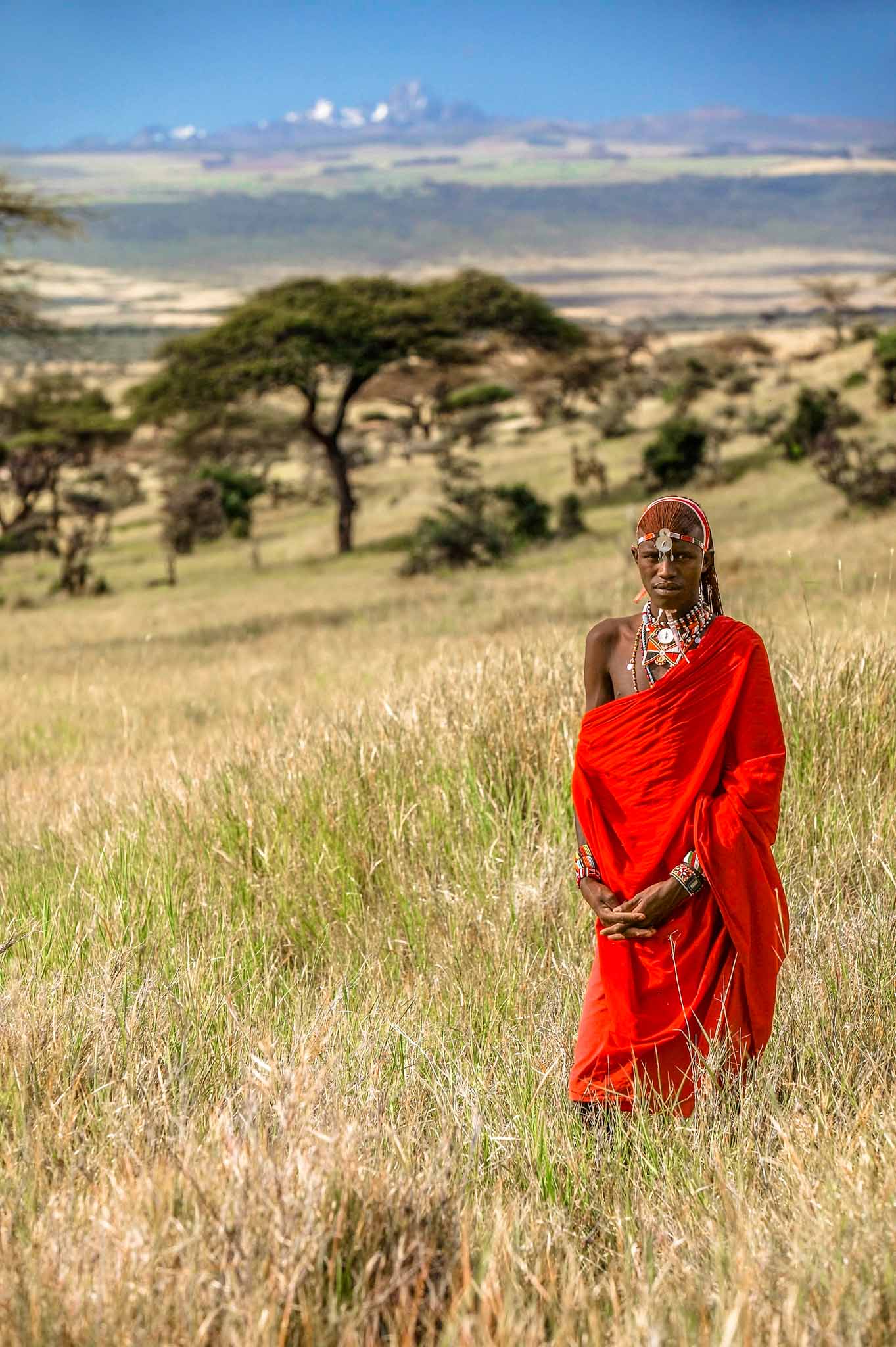
Walking safari with Maasai guide in Tarangire ecosystem is available in private conservancies adjacent to the national park, offering ground-level tracking of elephant, giraffe, and zebra with indigenous ecological knowledge as your interpretive lens. Your guide will explain what the broken branch means, how to read the direction of travel from elephant footprints, and which termite mound architecture indicates predator resting sites.
Fly camping under stars in Tarangire remote wilderness allows nights in the bush far from any lodge — sleeping in simple mess tents while hyenas call in the darkness. This is the experience that strips away every layer of comfort and replaces it with something more valuable: full immersion in a world that existed long before human infrastructure.
Where to Stay — Tarangire
🐘 TARANGIRE ACCOMMODATION MATRIX
| Budget | Mid-Range | Luxury | Ultra-Luxury | |
|---|---|---|---|---|
| Price/pn | USD 80–200 | USD 250–500 | USD 600–1,200 | USD 1,500+ |
| Example | Oliver’s Camp (tented) | Tarangire Sopa Lodge | Sanctuary Swala | Chem Chem Lodge |
| Location | South of park | Western boundary | Central park | Private conservancy |
| Pool | No | Yes | Yes | Yes |
| Walking Safari | Yes | Limited | Yes | Yes |
| Park Access | Good | Good | Excellent | Exclusive |
| Best For | Budget traveller | Families | Wildlife enthusiast | Honeymoon, privacy |
| Includes | Breakfast, drives | All-inclusive | Full board, drives | All activities |
05 — RUAHA NATIONAL PARK
Tanzania’s Wild, Untamed Wilderness for the Serious Safari Traveller
Southern Tanzania | 20,226 km² | Tanzania’s Largest National Park
Ruaha National Park is Tanzania at its most raw, most uncompromising, and most rewarding. At over 20,000 square kilometres, it is Tanzania’s largest national park and one of Africa’s great wilderness areas — yet it receives fewer than 30,000 visitors per year, compared to the Serengeti’s 350,000+. For travellers specifically seeking Ruaha National Park off the beaten track southern Tanzania safari, this statistic tells you everything. In Ruaha, you will not be waiting in a queue of vehicles at a lion sighting. You may not see another vehicle for hours. The land is enormous, the roads are rough, and the wildlife is entirely unwilling to perform for an audience — which is precisely its appeal.
Landscape: The Great Ruaha River
The park’s lifeblood is the Great Ruaha River, which runs along the northern boundary and draws wildlife in extraordinary concentrations during the dry season. Massive Nile crocodiles — some over 4 metres long — bask on sandbanks beside enormous hippo pods. The riverine woodland gives way to open miombo forest, one of Africa’s most extensive and biodiverse woodland types, covering much of the park’s interior. Miombo woodland wildlife safari Ruaha National Park is an experience entirely distinct from anything found on the northern circuit — quieter, deeper, more textured, and with a different cast of characters.
The baobab-studded ridges, the rocky outcrops, and the seasonal sand rivers create a landscape of sculptural drama. At the end of the dry season, the Great Ruaha itself can reduce to a series of connected pools, concentrating every surviving animal in the park along its banks — elephants, kudu, zebra, and predators all pressed into a narrowing ribbon of life beside the dwindling water.
Predator Density: Lion, Leopard, Wild Dog & Cheetah
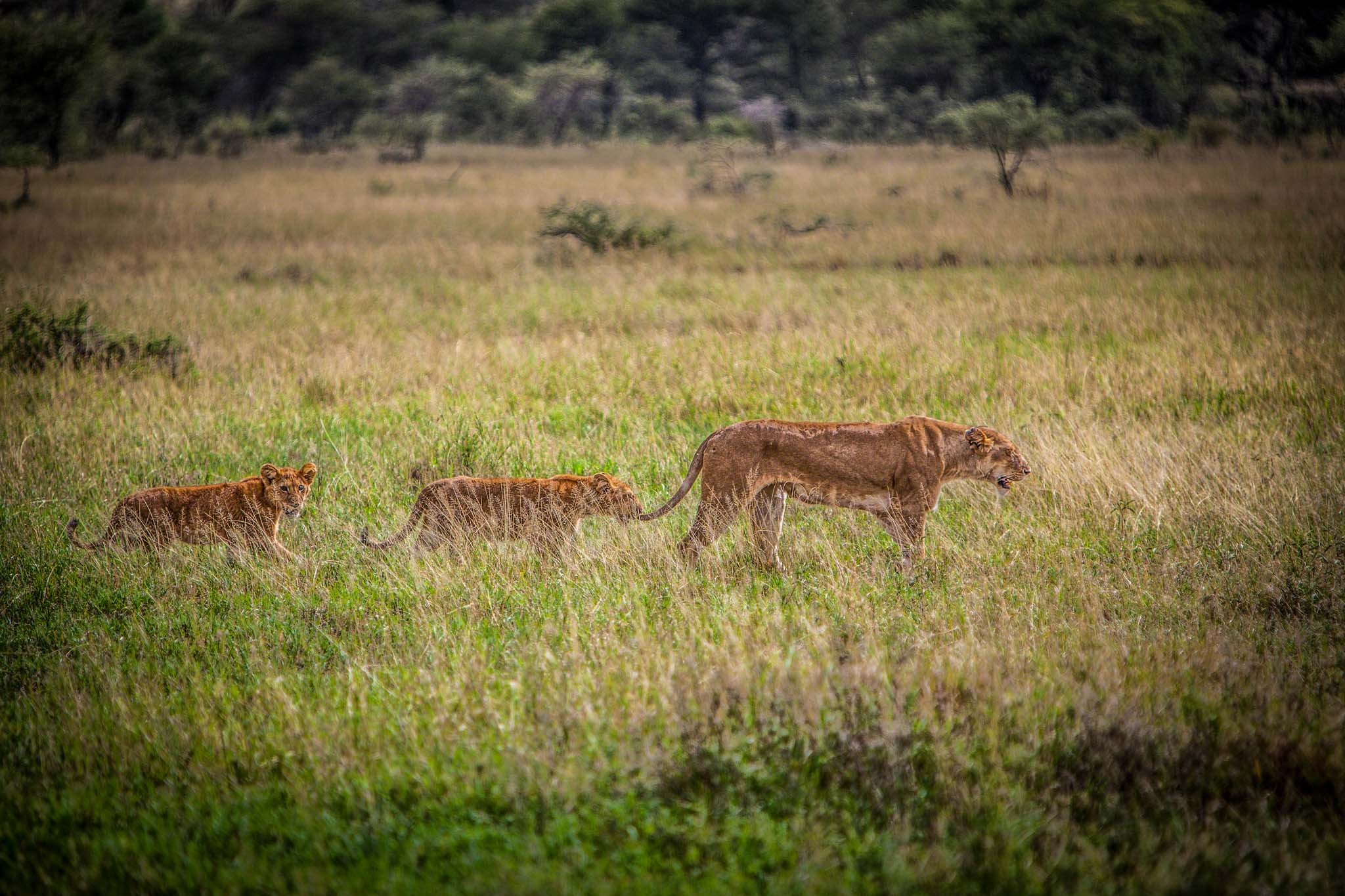
Ruaha contains one of Africa’s largest lion populations — an estimated 10% of the continent’s total. But what truly sets Ruaha apart from other parks is the presence of all four large predators in significant numbers. For travellers asking about African wild dog sightings in Ruaha National Park Tanzania, this is one of the most reliable places in the world to encounter painted wolves. Packs of 10–30 individuals range across the park’s vast terrain, and encounters during dawn hunts are among the most electrifying wildlife experiences available in Africa.
| Predator | Status in Ruaha | Best Viewing Season |
|---|---|---|
| Lion | ~10% of Africa’s total population | Dry season (June–October) |
| Leopard | High density, wide-ranging | Year-round, night drives best |
| African Wild Dog | Regular packs, denning occurs | Denning season (July–August) |
| Cheetah | Present, less common than Serengeti | Dry season, open plains |
| Spotted Hyena | Very common | Year-round, dawn and dusk |
| Striped Hyena | Rare but present | Night drives |
Elephant & Rare Antelope
Ruaha National Park large elephant population greater kudu sable antelope describes the park’s three most distinctive large mammal spectacles. Over 12,000 elephants roam the Ruaha ecosystem — the largest elephant population in East Africa — and these are not habituated tourist elephants. Ruaha’s elephants have seen poaching, conflict, and loss within living memory, and they carry a different character from the relaxed Amboseli or Tarangire herds. They are wilder, more wary, and the contact — when you earn it — feels genuinely earned.
Sable antelope, with their swept-back horns and dark flanks, and roan antelope, similarly large and stately, are both present in numbers impossible to find on the northern circuit. Greater kudu males with double-spiral horns materialise from the miombo woodland and disappear again like apparitions. A single game drive in Ruaha can yield wildlife that would take five separate northern-circuit parks to replicate.
When to Visit
| Period | Conditions | Recommendation |
|---|---|---|
| June – October | Dry season, excellent wildlife, hot afternoons | Best overall — river-focused game drives |
| November – December | Short rains begin, green landscape | Good birding, some road access issues |
| January – March | Wetter, some roads impassable | Adventurous visitors only |
| April – May | Heavy rains, most camps closed | Avoid — park essentially inaccessible |
Experiences
Multi-day walking safari in Ruaha with fly camping is the park’s most extraordinary offering. Teams of professional guides and armed scouts lead guests on foot through terrain where encounters with lion, elephant, and wild dog are genuinely possible. Nights under canvas, cooking over an open fire with the sounds of the African bush surrounding you — this is why Ruaha exists for a particular kind of traveller. Ruaha fly camping remote wilderness multi-day walking route is not for those who require comfort. It is for those who require experience.
┌─────────────────────────────────────────────────────────┐
│ JONGOMERO TENTED CAMP │
│ Style : Ultra-luxury, 8 tents only │
│ Price : USD 1,400–1,800 per person per night │
│ Highlight: Remote, private, walking safaris │
├─────────────────────────────────────────────────────────┤
│ KWIHALA CAMP (Asilia Africa) │
│ Style : Luxury tented camp │
│ Price : USD 900–1,300 per person per night │
│ Highlight: River location, wild dog sightings │
├─────────────────────────────────────────────────────────┤
│ RUAHA RIVER LODGE │
│ Style : Classic rock-and-thatch lodge │
│ Price : USD 400–700 per person per night │
│ Highlight: Great river views, reliable value │
├─────────────────────────────────────────────────────────┤
│ MWAGUSI SAFARI CAMP │
│ Style : Small owner-managed camp │
│ Price : USD 600–900 per person per night │
│ Highlight: Intimate, expert guiding, sand river camp │
├─────────────────────────────────────────────────────────┤
│ TANDALA TENTED CAMP │
│ Style : Mid-range │
│ Price : USD 250–400 per person per night │
│ Highlight: Best value in Ruaha │
└─────────────────────────────────────────────────────────┘