The Coca-Cola Route
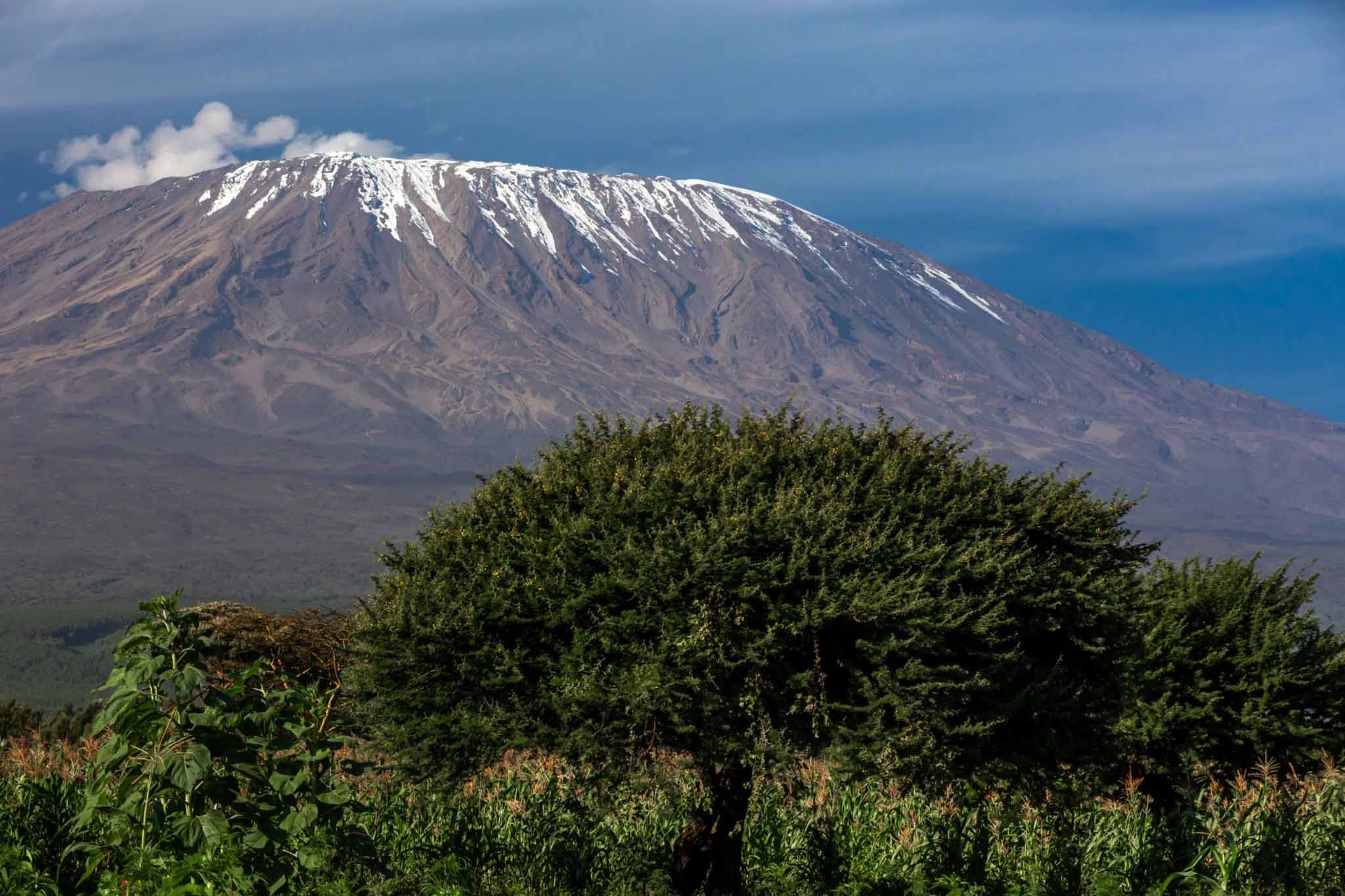
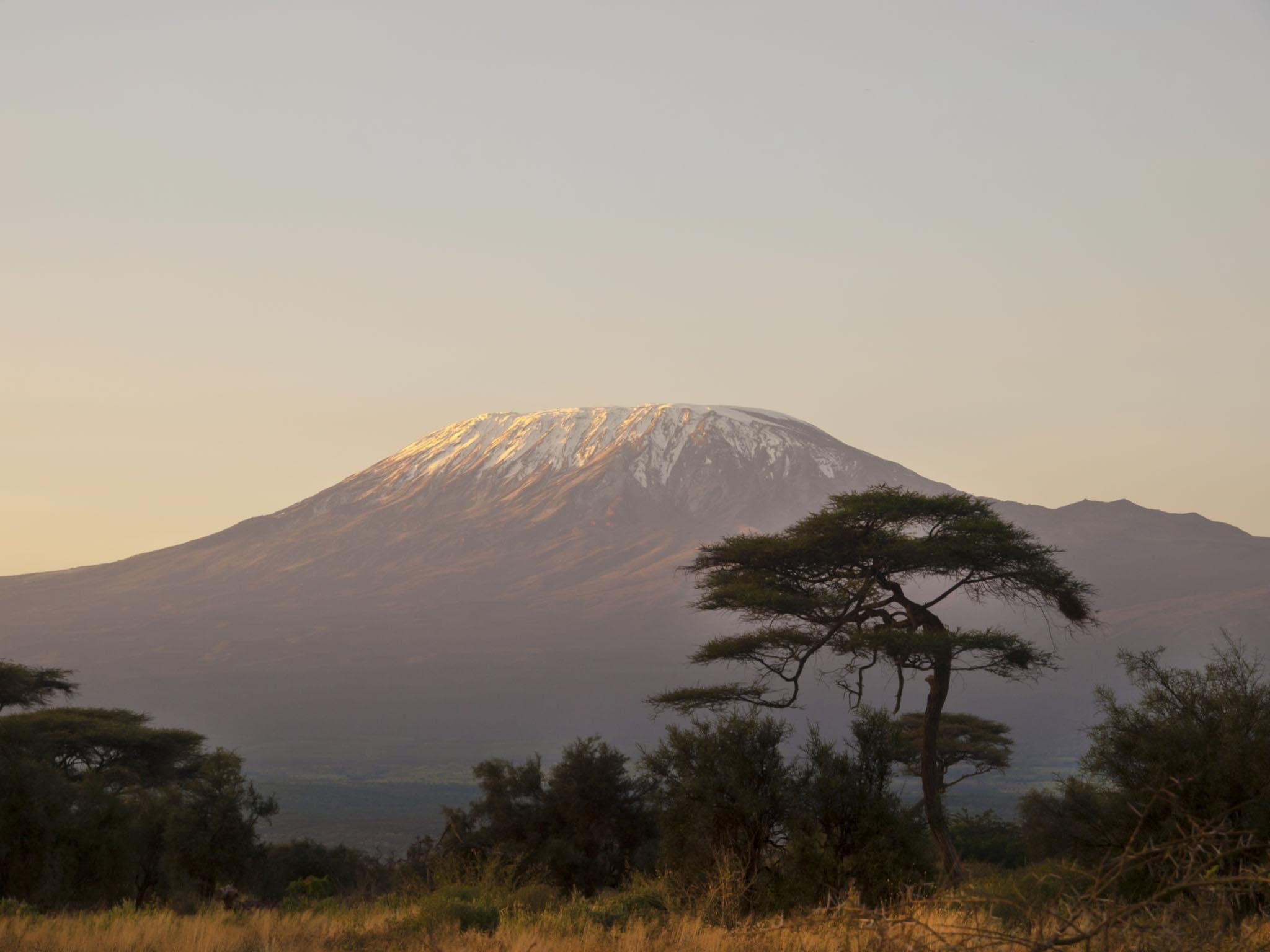
The Marangu Route is the oldest and most established path on Kilimanjaro, the route that introduced the mountain to the wider world of recreational climbing in the late 19th century and the one that continues to carry the largest volume of climbers today. It is nicknamed the Coca-Cola Route — a label that is both affectionate and slightly misleading, implying an ease and accessibility that the mountain does not ultimately deliver to anyone who underestimates it. What the nickname accurately reflects is the relative comfort of the Marangu experience compared to other routes: it is the only route on Kilimanjaro where climbers sleep in permanent huts rather than tents, a distinction that makes a significant difference in terms of warmth, dryness, and the quality of sleep available at altitude.
The Route
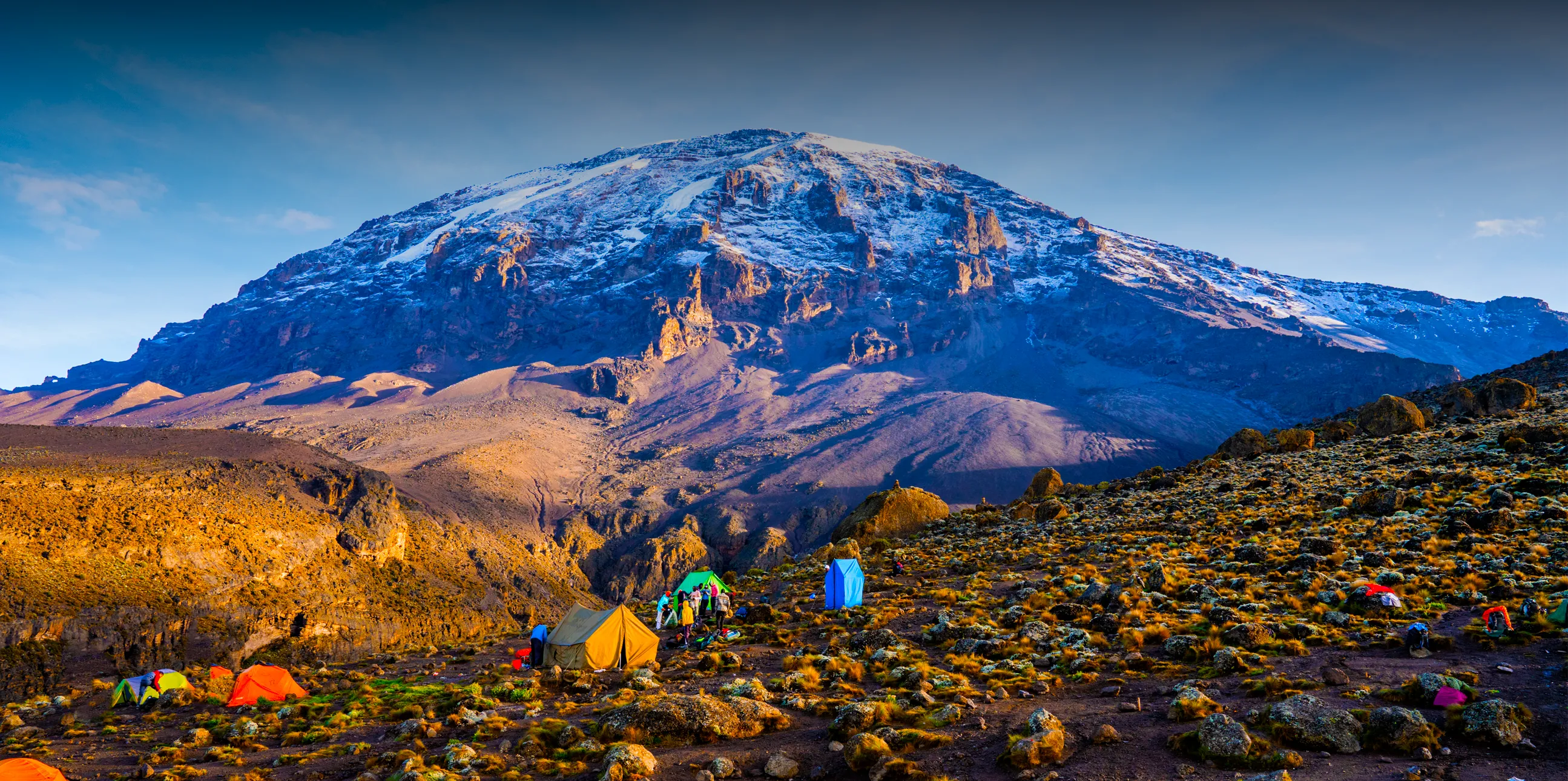
The Marangu Route approaches Kilimanjaro from the southeast, entering the park at Marangu Gate and ascending through a sequence of ecological zones — montane rainforest, heath and moorland, alpine desert, and finally the arctic summit zone — that is broadly similar across all routes but experienced here in the context of a well-worn, clearly defined path through dense forest and open moorland. The standard Marangu itinerary covers the ascent and descent in five days — Marangu Gate to Mandara Hut on day one, Mandara to Horombo on day two, Horombo to Kibo Hut on day three, the summit push and descent to Horombo on day four, and the final descent to the gate on day five. A six-day option adds an acclimatisation day at Horombo, which improves the summit success rate significantly and is strongly recommended.
The Experience
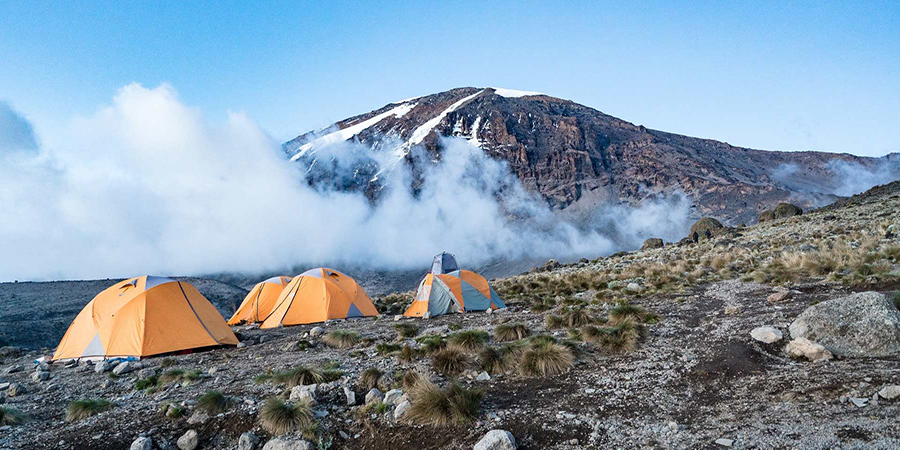
The huts of the Marangu Route — Mandara at 2,700 metres, Horombo at 3,720 metres, and Kibo at 4,700 metres — are simple but functional, providing bunk beds, basic meals prepared by the camp staff, and a social atmosphere generated by the convergence of climbers from multiple groups at each stopping point. The sociability of the hut system is one of Marangu’s distinctive characteristics — evenings at Horombo in particular have a convivial, almost hostel-like quality, with climbers from different nationalities comparing notes on the day’s ascent and sharing the collective anticipation of the summit push ahead. The forest section in the lower reaches of the route is genuinely beautiful — dense, moss-draped Afromontane forest alive with birds, colobus monkeys, and the sounds of small streams running through the undergrowth.
Considerations
The Marangu Route’s main limitation is its acclimatisation profile. The standard five-day itinerary is the shortest available on the mountain, and the success rate reflects this — estimates vary, but the five-day Marangu success rate is generally considered to be among the lowest of all Kilimanjaro routes, with some operator data suggesting figures as low as 50% for the standard duration. The six-day option improves this considerably. The route also shares its ascent and descent path, meaning that descending climbers pass ascending ones on the same trail — a logistical characteristic that reduces the sense of wilderness solitude that the longer, more remote routes deliver. For climbers whose primary considerations are comfort, cost, and the social atmosphere of a well-established route, Marangu remains a perfectly valid choice — provided they opt for the six-day itinerary and approach the altitude with appropriate respect.