The Steep and Silent Path
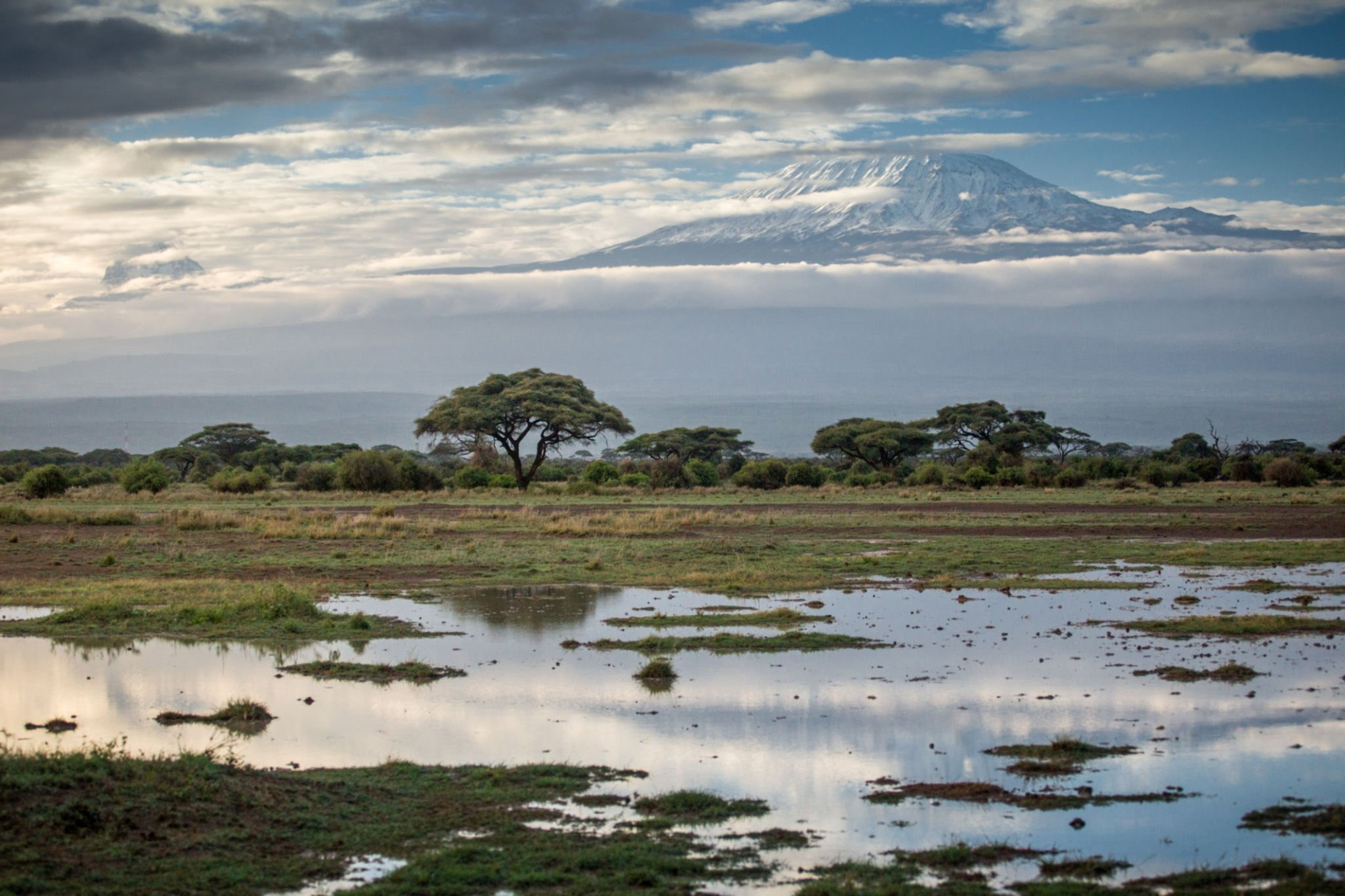
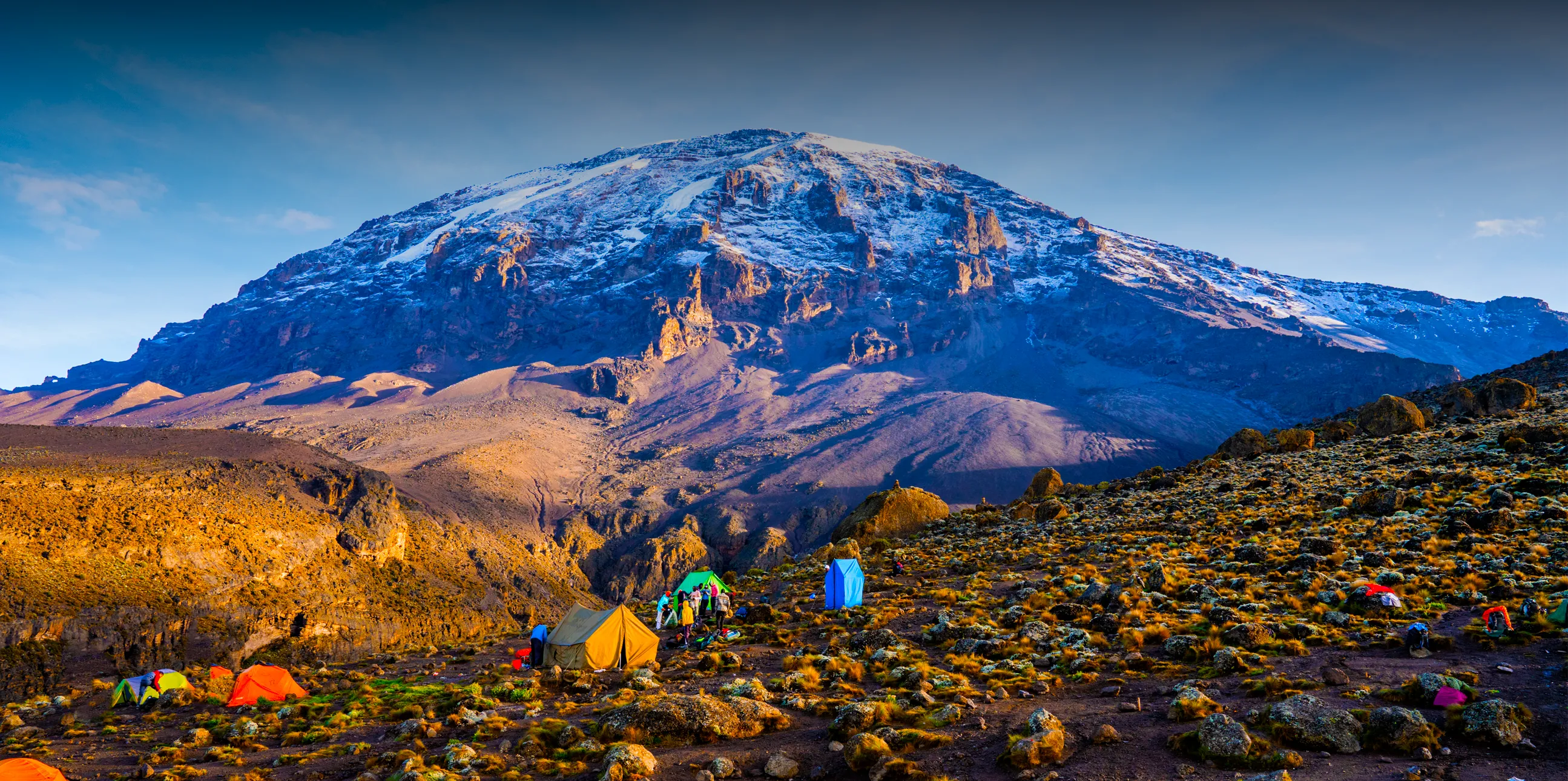
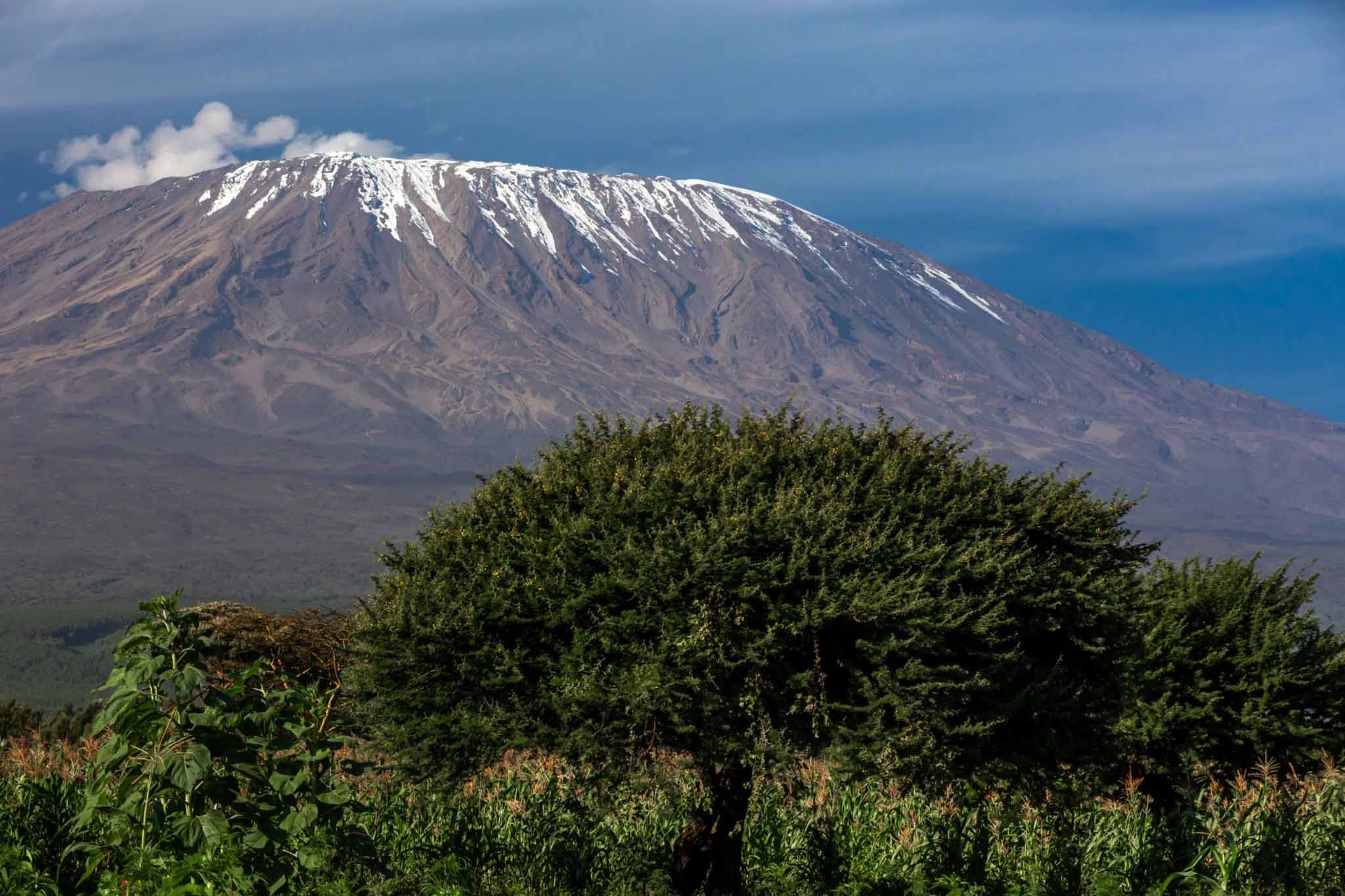
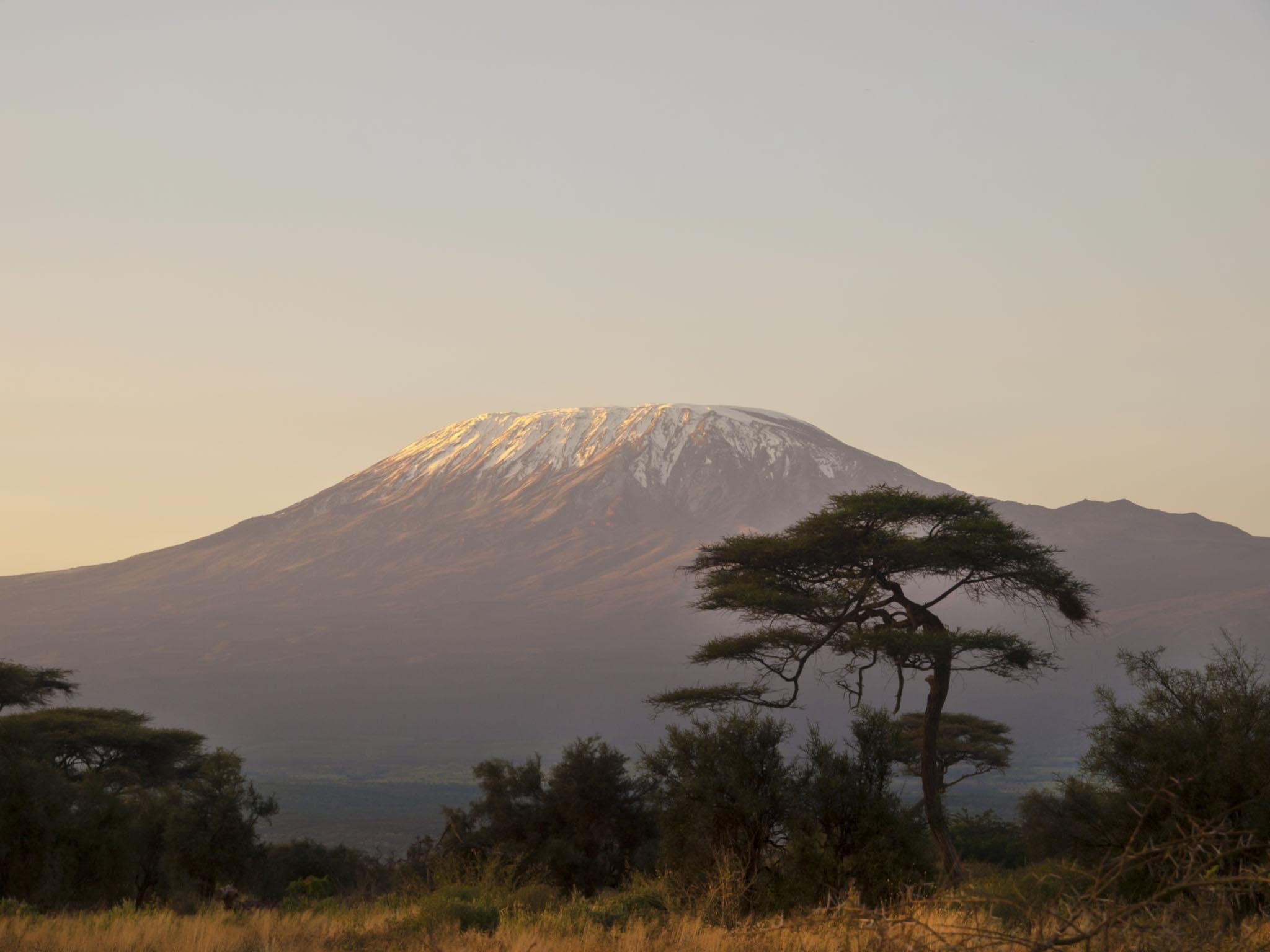
The Umbwe Route is the most direct and most demanding route on Kilimanjaro — a steep, narrow, rarely-used path that ascends the mountain’s southern face on a line that is far more vertical than any other standard route and delivers an experience of genuine solitude and physical challenge that the more popular routes cannot match. It is not recommended for first-time Kilimanjaro climbers or for those whose primary objective is summit success — its steep gradient and compressed acclimatisation profile produce a lower success rate than the longer, more gradual routes. For experienced trekkers who prioritise solitude, physical challenge, and the particular satisfaction of taking the road less travelled, however, Umbwe offers a Kilimanjaro experience of a very different and very rewarding character.
The Route
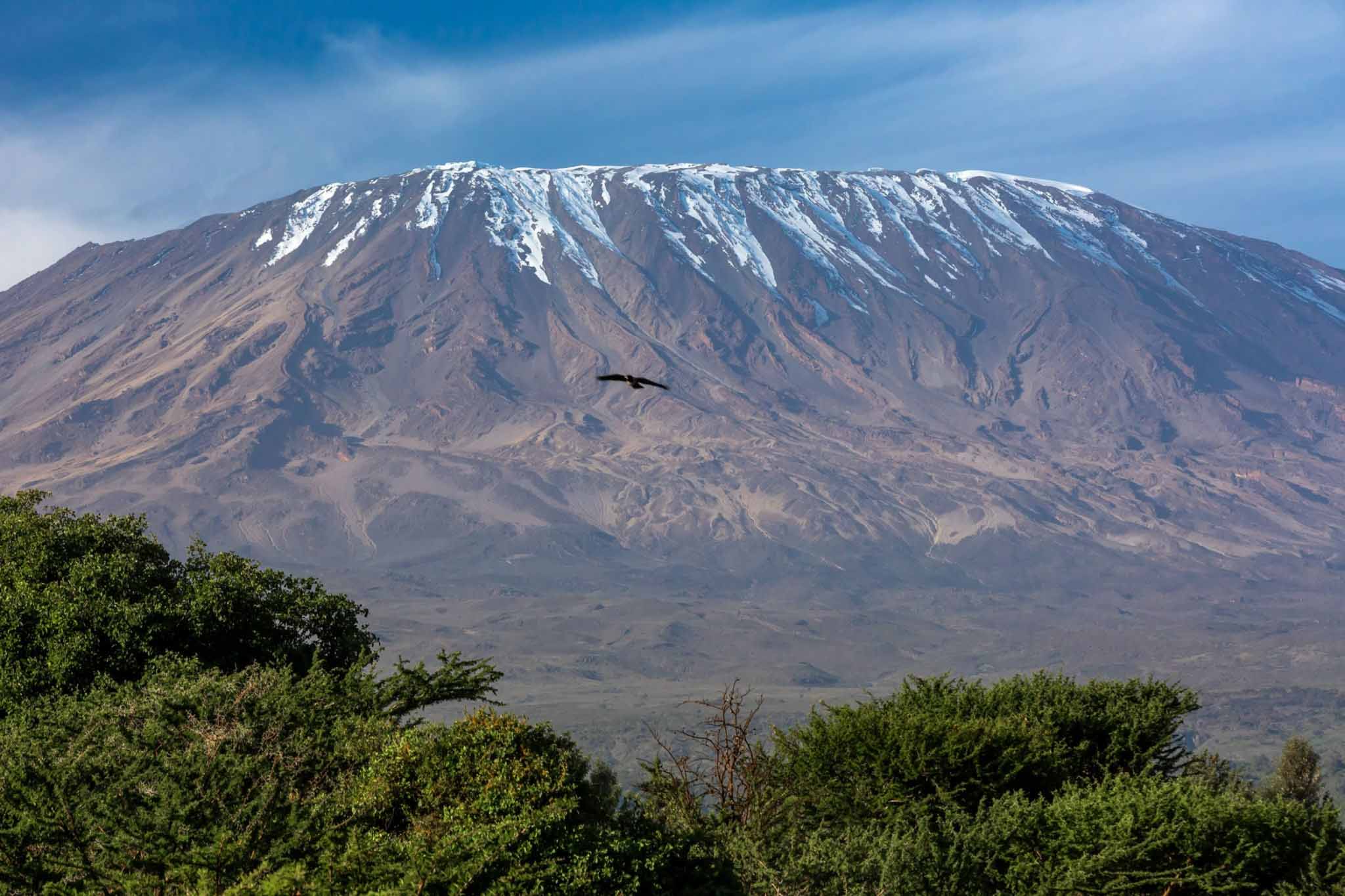
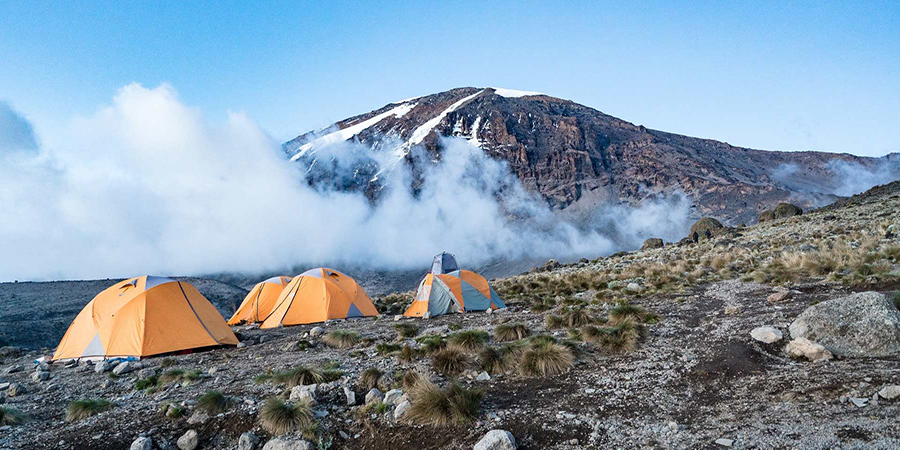
The Umbwe Route begins at Umbwe Gate on the mountain’s southern flank, ascending immediately and steeply through dense montane rainforest on a narrow, root-tangled path that requires more active use of hands and upper body than any other route on the mountain. The forest section is dark, mossy, and atmospheric — the canopy closes overhead, the path is often slippery with moisture, and the sense of pushing upward through genuine wilderness is immediate and intense. Day one reaches Umbwe Cave Camp at 2,940 metres, day two the junction with the Machame Route at Barranco Camp — from which point the route follows the standard southern face itinerary via the Barranco Wall, Karanga, and Barafu to the summit.
The Experience
The Umbwe Route’s forest section is arguably the most dramatically beautiful lower-mountain terrain on Kilimanjaro — steep, ancient, and largely unvisited, with a quality of wildness that the busier routes have lost to their own popularity. The almost complete absence of other climbing groups on the approach section creates an experience of genuine mountain solitude that experienced trekkers find profoundly appealing. The physical demands of the steep ascent are real — this is not a route for climbers who are not confident in their fitness — but the effort is rewarded with a quality of engagement with the mountain that the more comfortable routes do not deliver.
Considerations
The Umbwe Route’s steep gradient and short acclimatisation window make it the highest-risk route on Kilimanjaro in terms of altitude sickness and forced descent. It should only be attempted by physically fit, experienced trekkers who have researched altitude sickness thoroughly, carry appropriate medication, and are genuinely committed to descending immediately if symptoms develop. The route is also poorly served by infrastructure — the lower camps are basic, the path maintenance is minimal compared to the busier routes, and the rescue access in the event of a serious medical emergency is more limited than on the mountain’s more frequented paths. For the right climber, with the right preparation, it is a magnificent route. For the majority of Kilimanjaro aspirants, one of the gentler, longer alternatives is a wiser choice.