Kilimanjaro’s Dramatic Neighbour
Overview
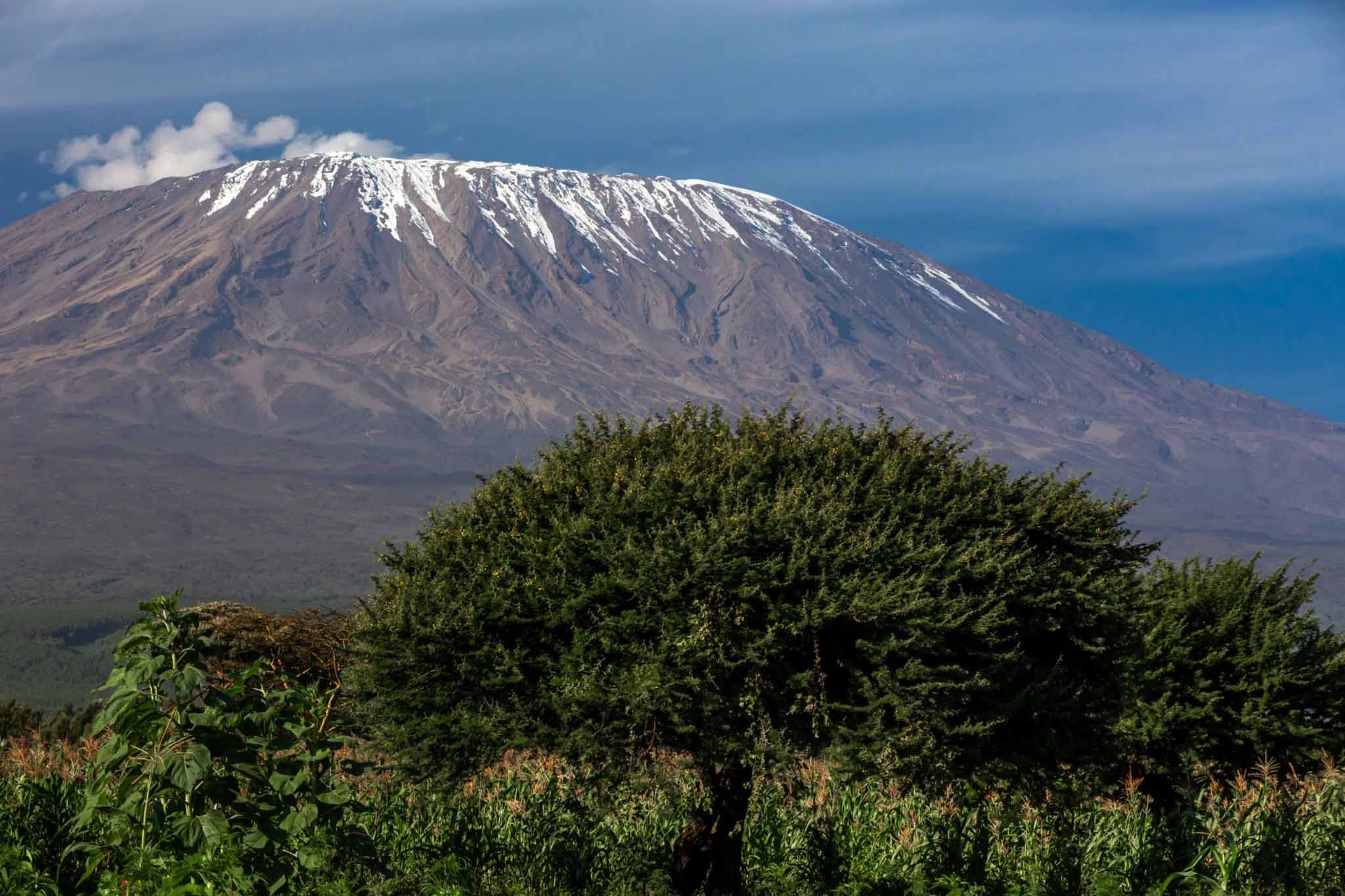
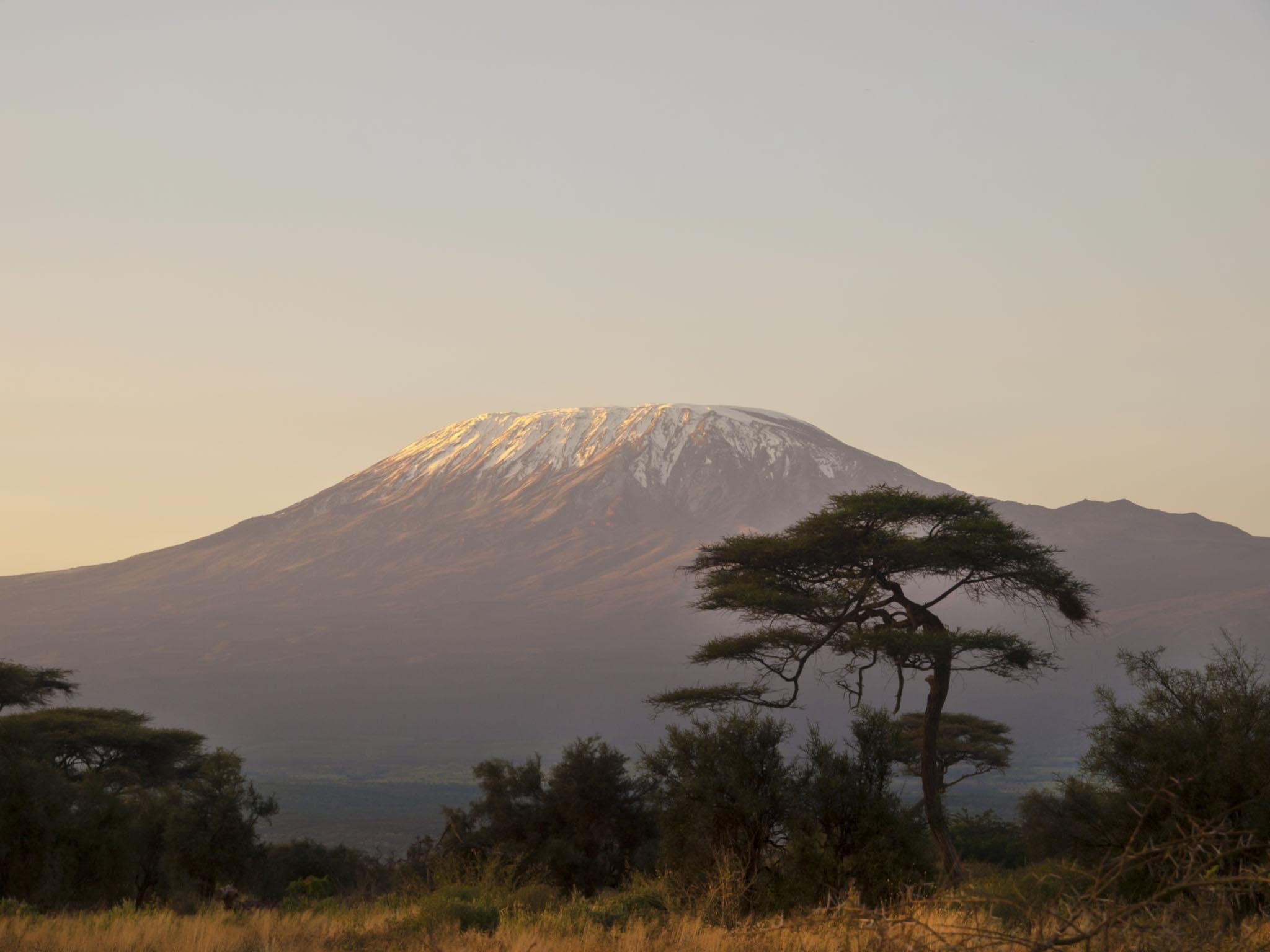
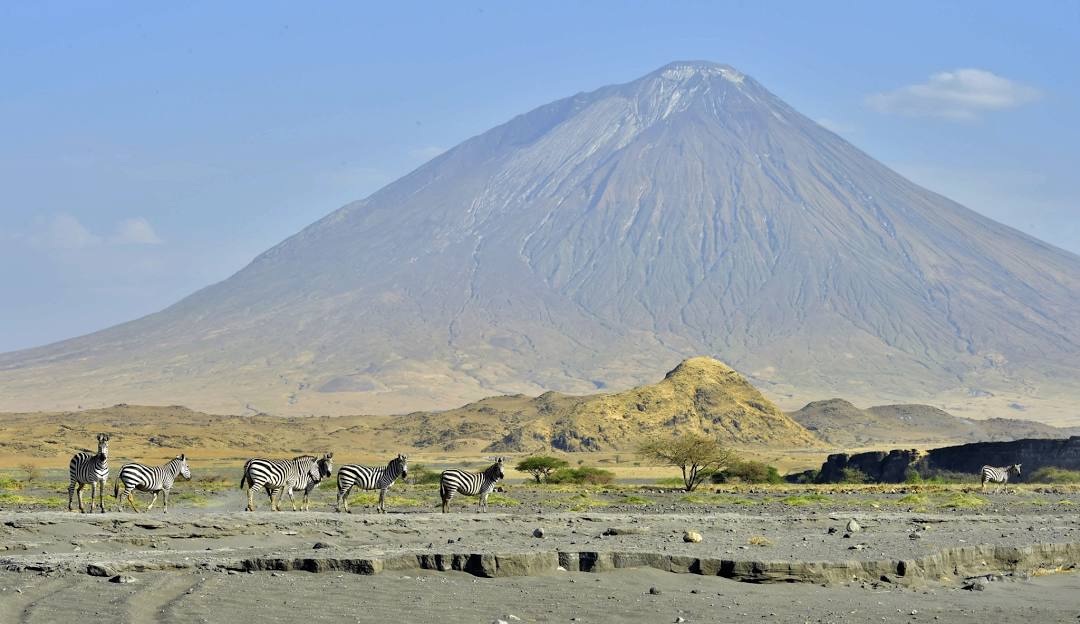
Mount Meru is the fifth highest peak in Africa, rising to 4,566 metres above the Arusha plains in a dramatic horseshoe of volcanic rock that frames one of the continent’s most spectacular crater landscapes. It stands in the shadow of Kilimanjaro’s global reputation — located just 70 kilometres to the west, it is almost invariably marketed as a warm-up or acclimatisation climb for Kilimanjaro aspirants rather than as a destination in its own right. This underselling is a genuine injustice. Mount Meru is a more technically interesting, more scenically varied, and in many ways more intimate and rewarding climb than many sections of its more famous neighbour, and the climbers who approach it with full attention rather than as a dress rehearsal consistently report it as one of the most exceptional mountain experiences in East Africa.
The Geology and Landscape
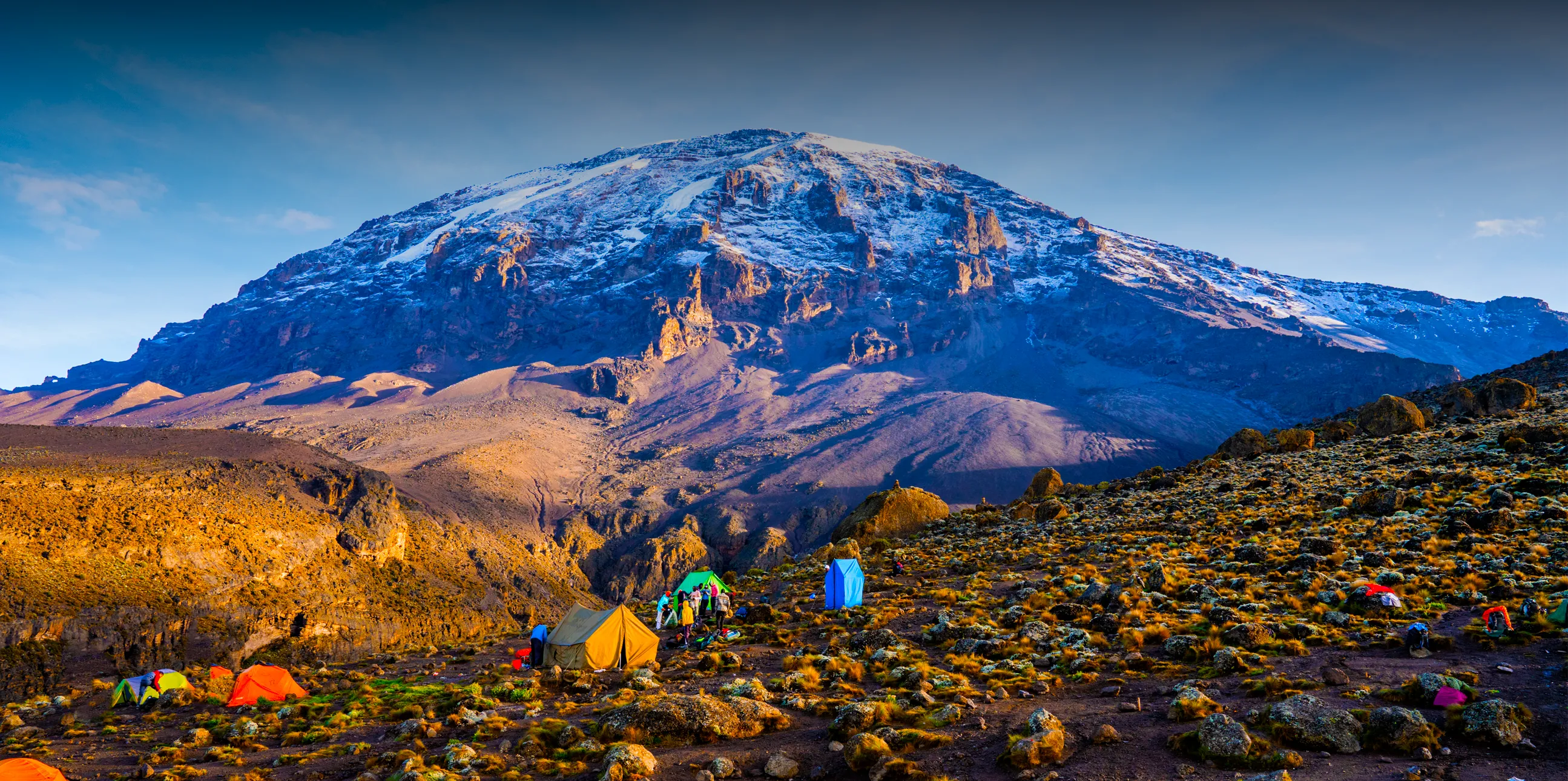
Mount Meru is an active stratovolcano — its last significant eruption was in 1910, and the dramatic ash cone that forms the true summit rises within a vast horseshoe crater created by a catastrophic flank collapse approximately 8,000 years ago that sent a massive debris avalanche across the plains to the east. The inner wall of this collapsed crater drops almost vertically for 1,500 metres from the crater rim to the floor below — one of the most dramatic cliff faces in East Africa and the defining visual feature of the upper mountain. The ash cone itself, which forms the final ascent to Socialist Peak at 4,566 metres, rises steeply from the crater floor in a near-perfect volcanic cone of loose grey ash and rock that creates conditions for the summit section that are genuinely more demanding than anything on Kilimanjaro’s standard routes.
The Route — Momella to Socialist Peak
Mount Meru is climbed via a single standard route beginning at Momella Gate in Arusha National Park, where armed rangers join the climbing party — mandatory in Arusha National Park due to the presence of buffalo, elephant, and other dangerous wildlife on the lower mountain. This is not a formality. The lower slopes of Mount Meru are genuinely wild, and the presence of buffalo in the forest is real and occasionally dramatic — being walked through a herd of buffalo by an experienced armed ranger at dawn on the first morning of the climb is an experience that immediately distinguishes Meru from every other mountain in Tanzania.
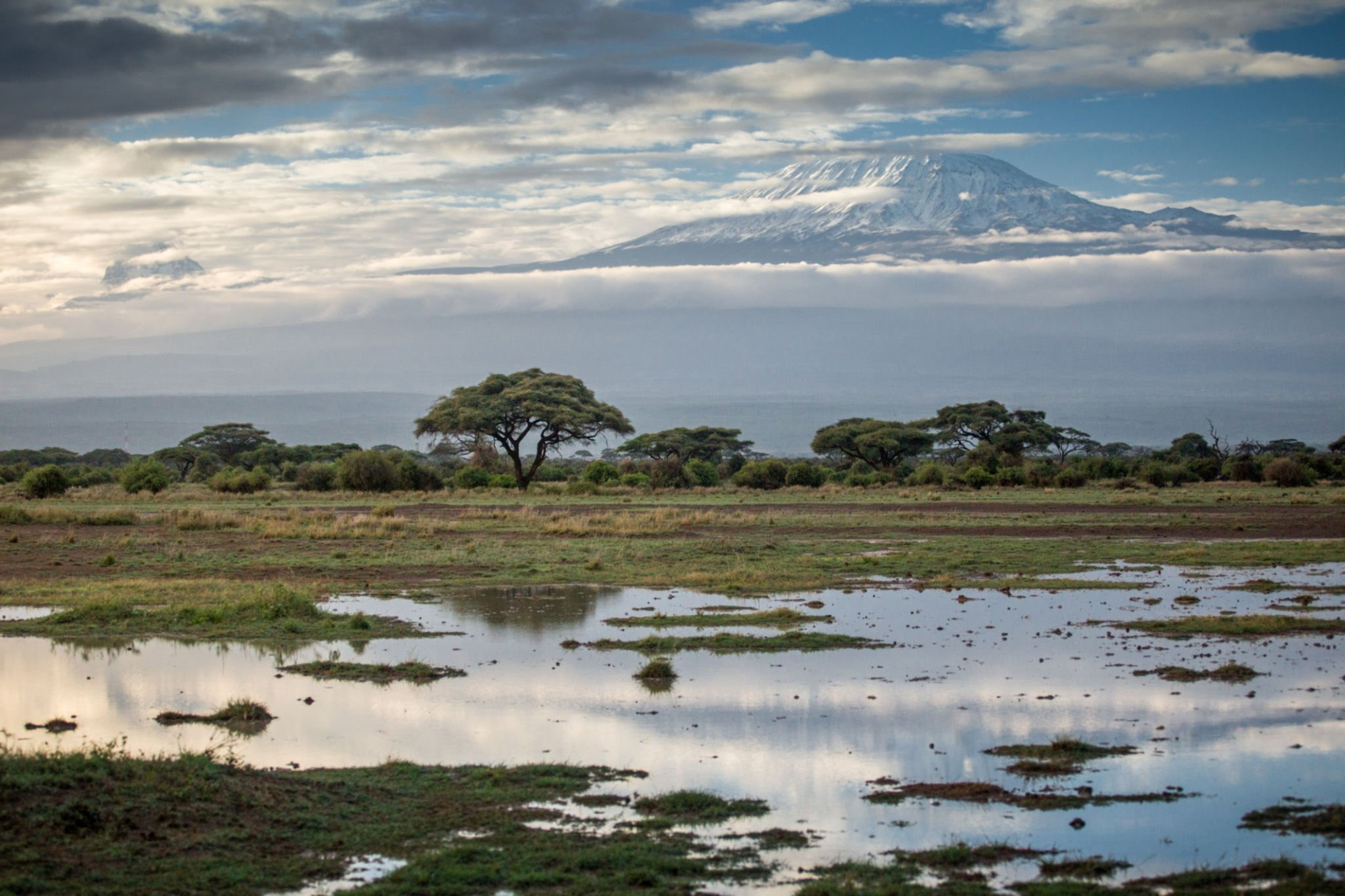
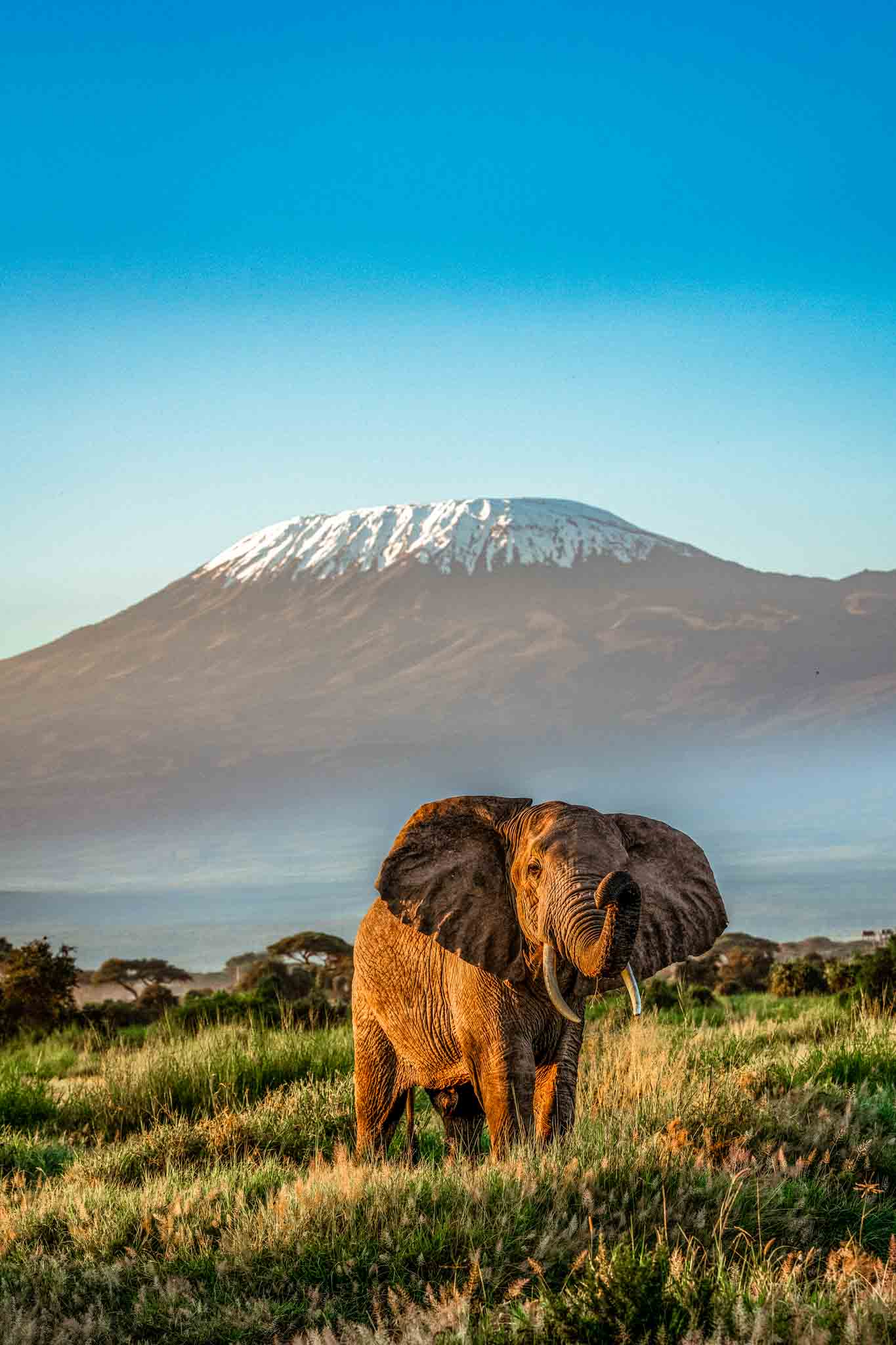
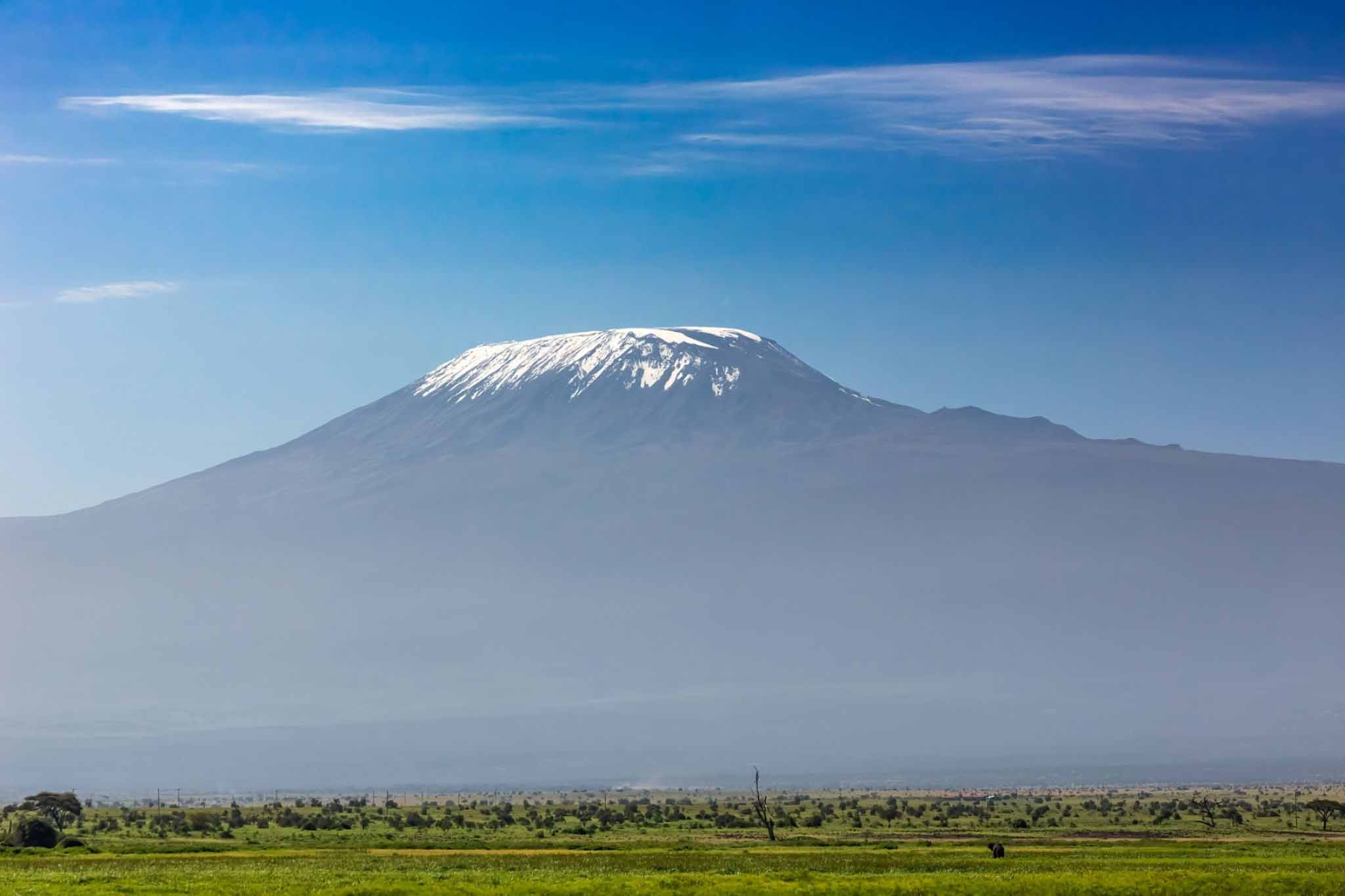
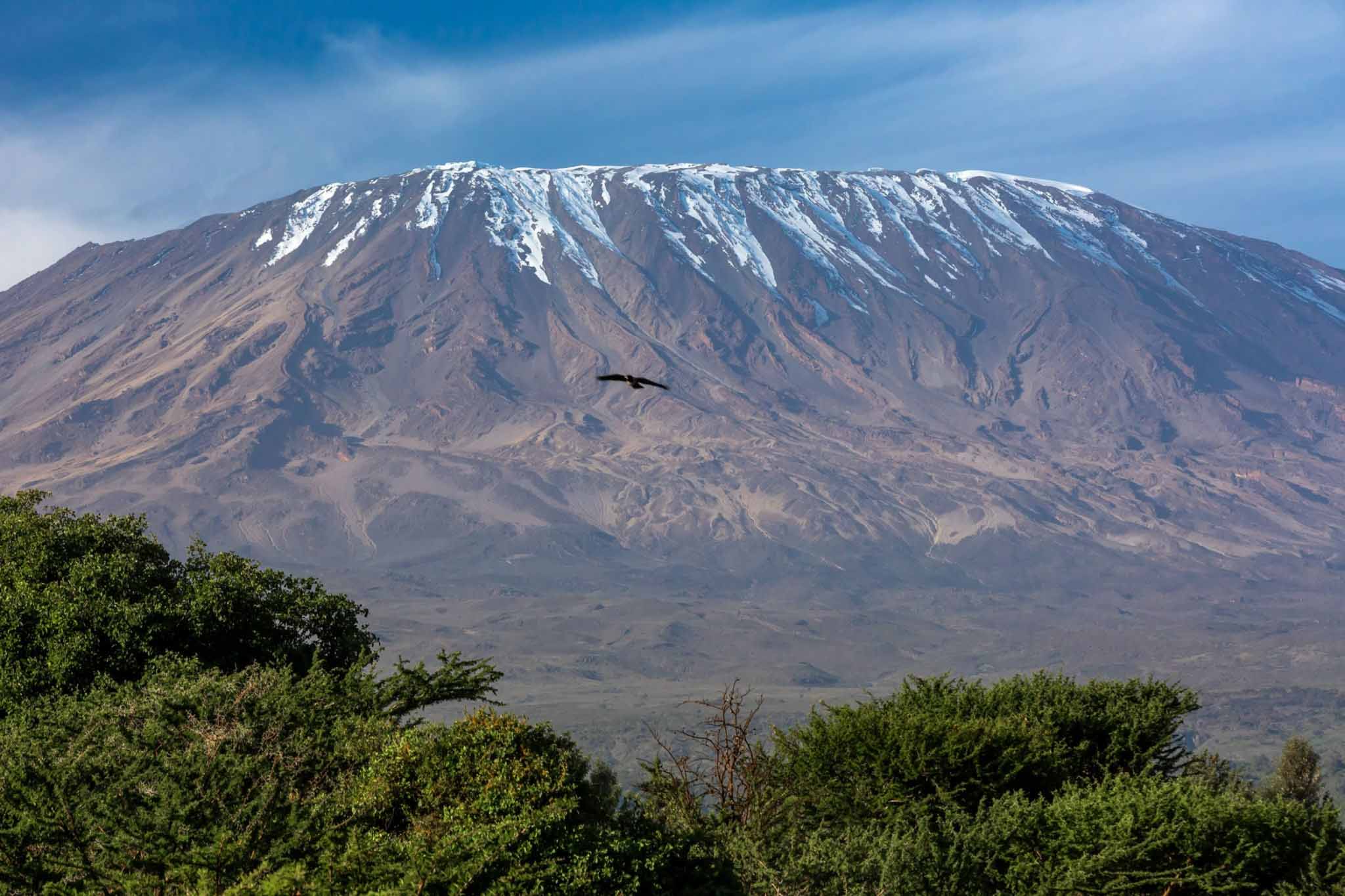
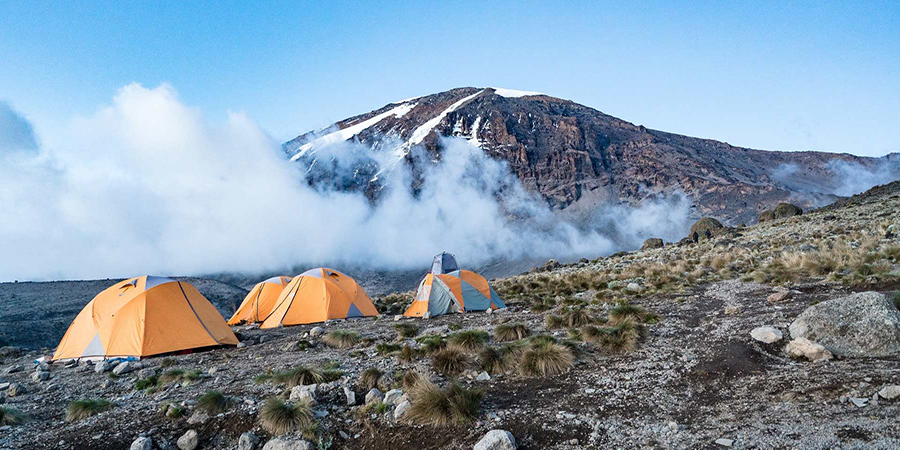
Day one climbs through magnificent Afromontane forest — arguably the finest forest walking on any mountain in East Africa, rich with colobus monkeys, a wide range of forest birds, and the constant sound of running water — to Miriakamba Hut at 2,514 metres. Day two ascends to Saddle Hut at 3,570 metres through open heath and moorland, with the option of a same-afternoon acclimatisation excursion to Little Meru at 3,820 metres. Day three is the summit push — departing Saddle Hut at midnight and ascending the narrowing crater ridge to the ash cone, then the steep final ascent to Socialist Peak, reaching the summit at dawn with a view that, in clear conditions, includes the entire profile of Kilimanjaro rising above the cloud layer to the east — one of the great mountain views in Africa. Descent returns to Momella Gate on day four.
Why Climb Meru
The case for climbing Mount Meru independently of any Kilimanjaro ambitions rests on several genuinely compelling foundations. The forest and wildlife of Arusha National Park make the lower mountain walking a wildlife experience as much as a mountain experience — something no other climbable peak in Tanzania can offer. The crater rim traverse on the upper mountain is more technically engaging than anything on Kilimanjaro’s standard routes, requiring confident footwork on exposed, narrow ridge sections where the inner crater wall drops away dramatically on one side. The mountain is quieter than Kilimanjaro — far fewer climbers, a more intimate atmosphere on the mountain, and huts that rarely reach the crowded conditions of peak season Kilimanjaro. And the view of Kilimanjaro from Socialist Peak — a full profile of Africa’s highest mountain rising above a sea of cloud, seen from a summit that required genuine effort to reach — is one of the most satisfying perspectives on the continent’s most famous mountain that it is possible to achieve.