The World’s Greatest Natural Wildlife Arena
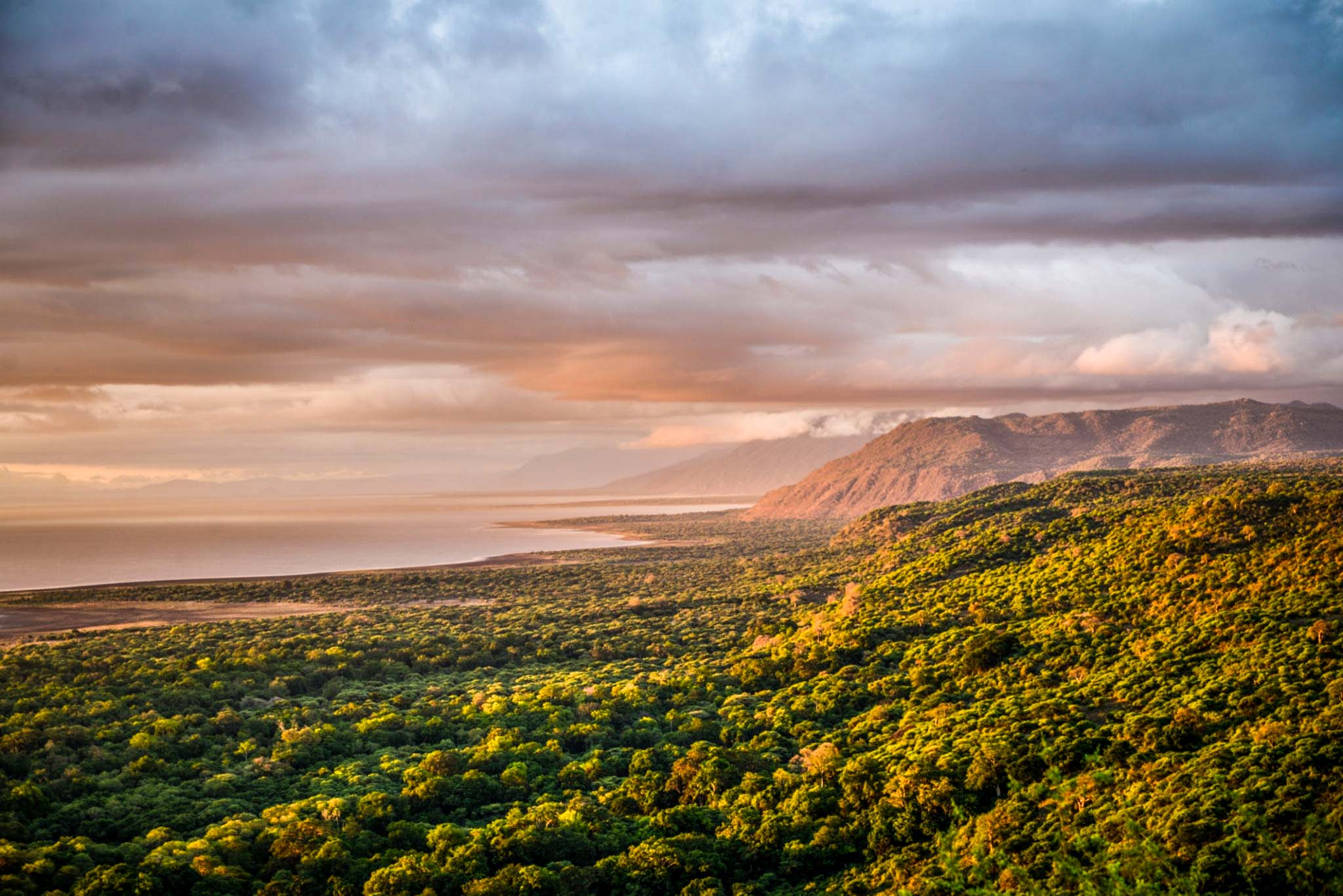
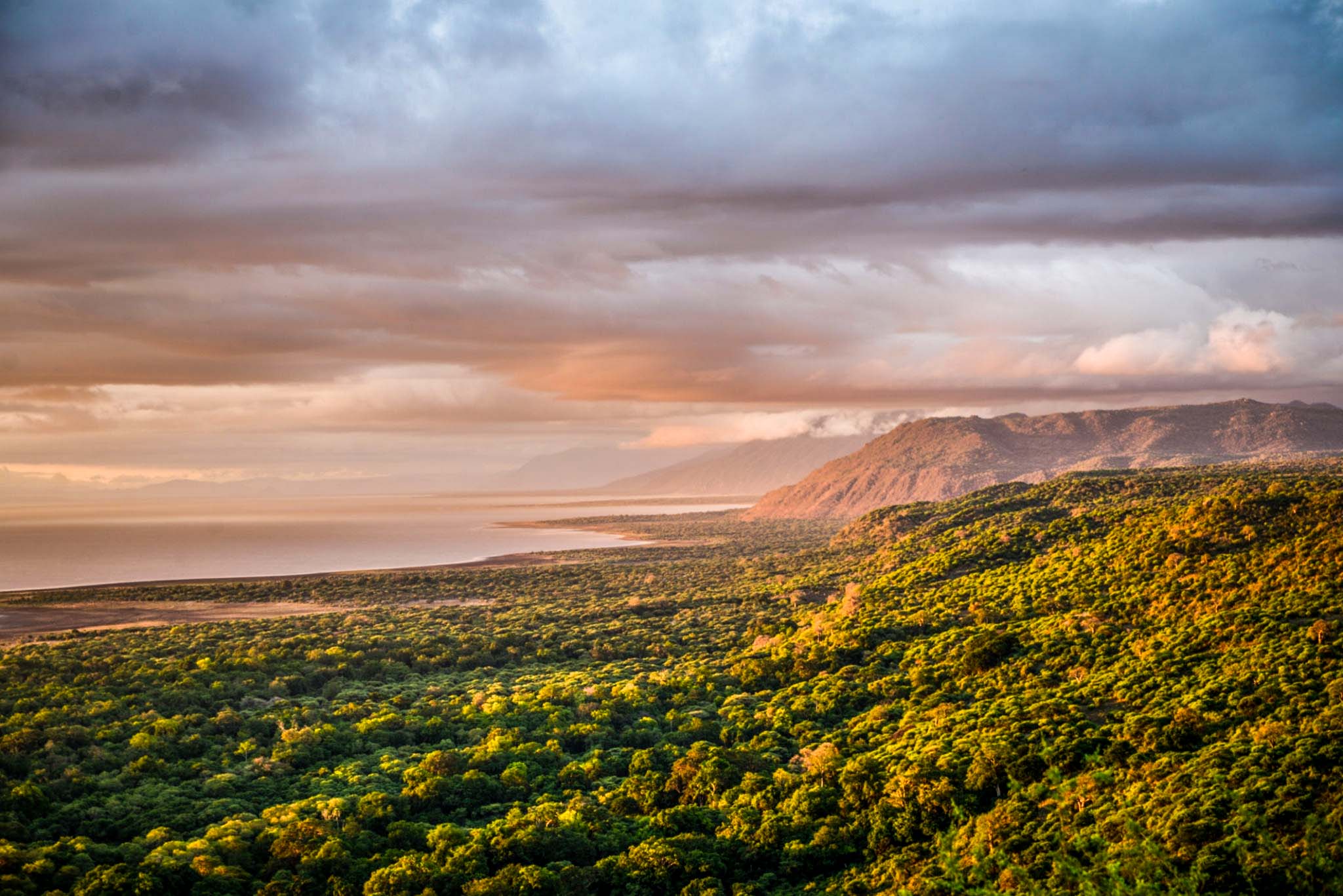
Three million years ago, a volcano larger than Kilimanjaro collapsed inward, creating the Ngorongoro Crater a 260-square-kilometre caldera that became, by geological accident, one of the greatest wildlife sanctuaries on Earth. For travellers wondering about Ngorongoro Crater wildlife density per square kilometre, the figures are staggering: approximately 25,000 large animals live within the crater floor permanently, making it Africa’s most densely populated wildlife ecosystem. The walls of the crater rise between 400 and 600 metres above the floor, creating a natural enclosure that has shaped the evolution and behaviour of the animals within it.
Geology & Habitat Inside the Crater
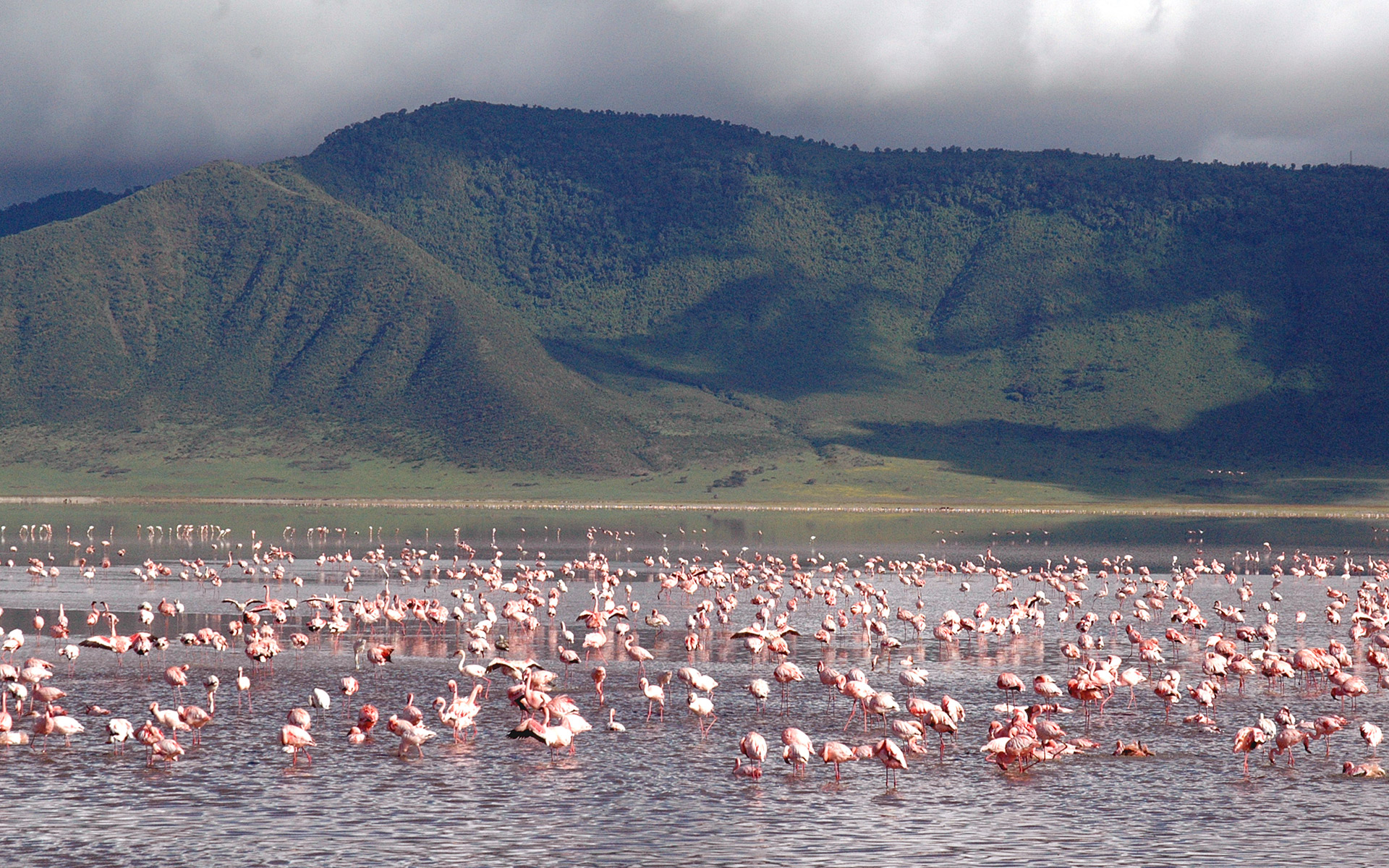
The crater floor sits at 1,800 metres above sea level. Within this enclosed world, multiple distinct habitats exist side by side: open short-grass plains at the centre, a soda lake (Lake Magadi) that attracts flamingos in the thousands, dense acacia woodland along the western wall, and the Lerai Forest — a fig and fever tree grove where elephants disappear like ghosts between the columns of ancient trunks. The variation of habitat within such a small area is what drives the exceptional wildlife density here — each species occupies a different ecological niche within the same geological bowl.
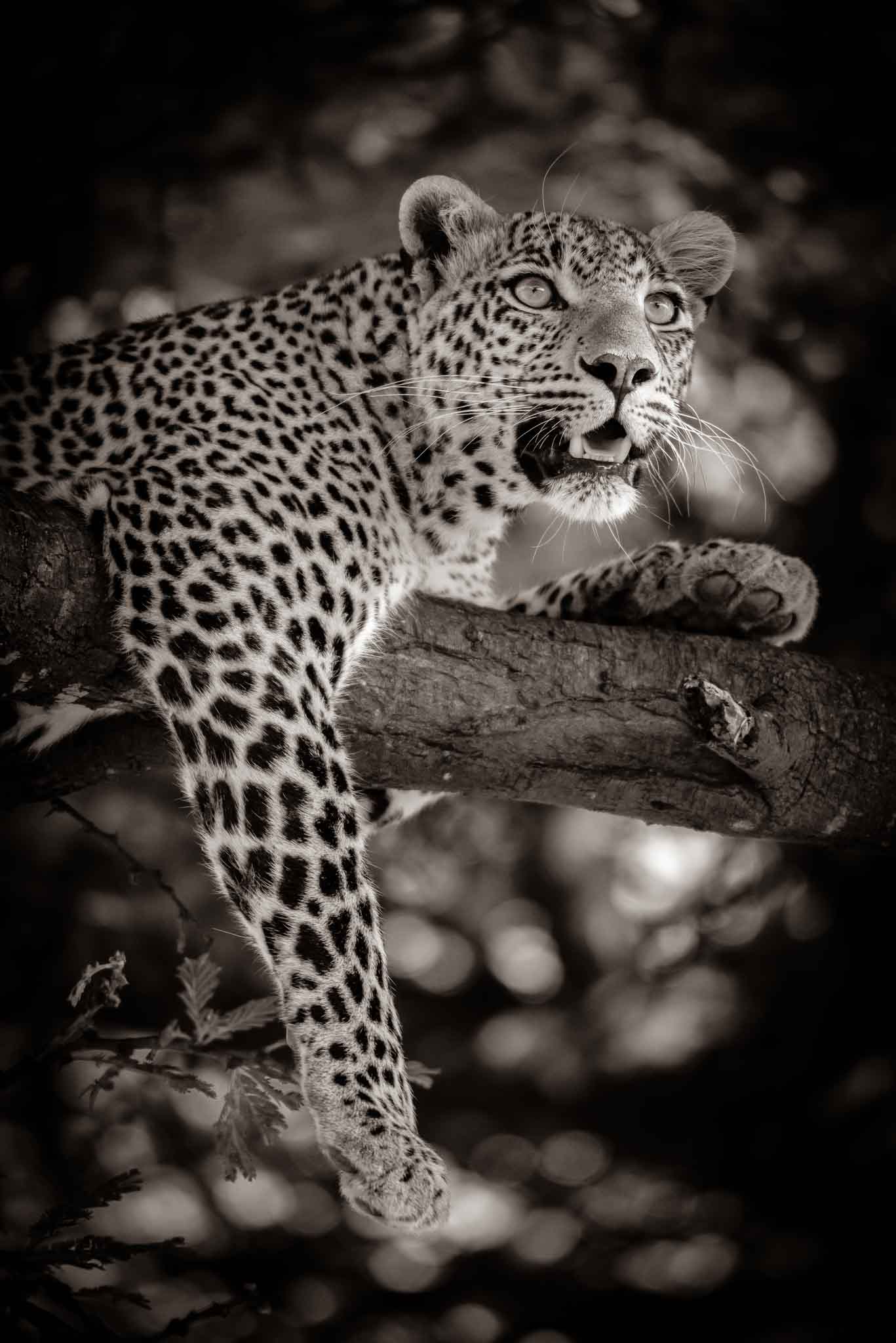
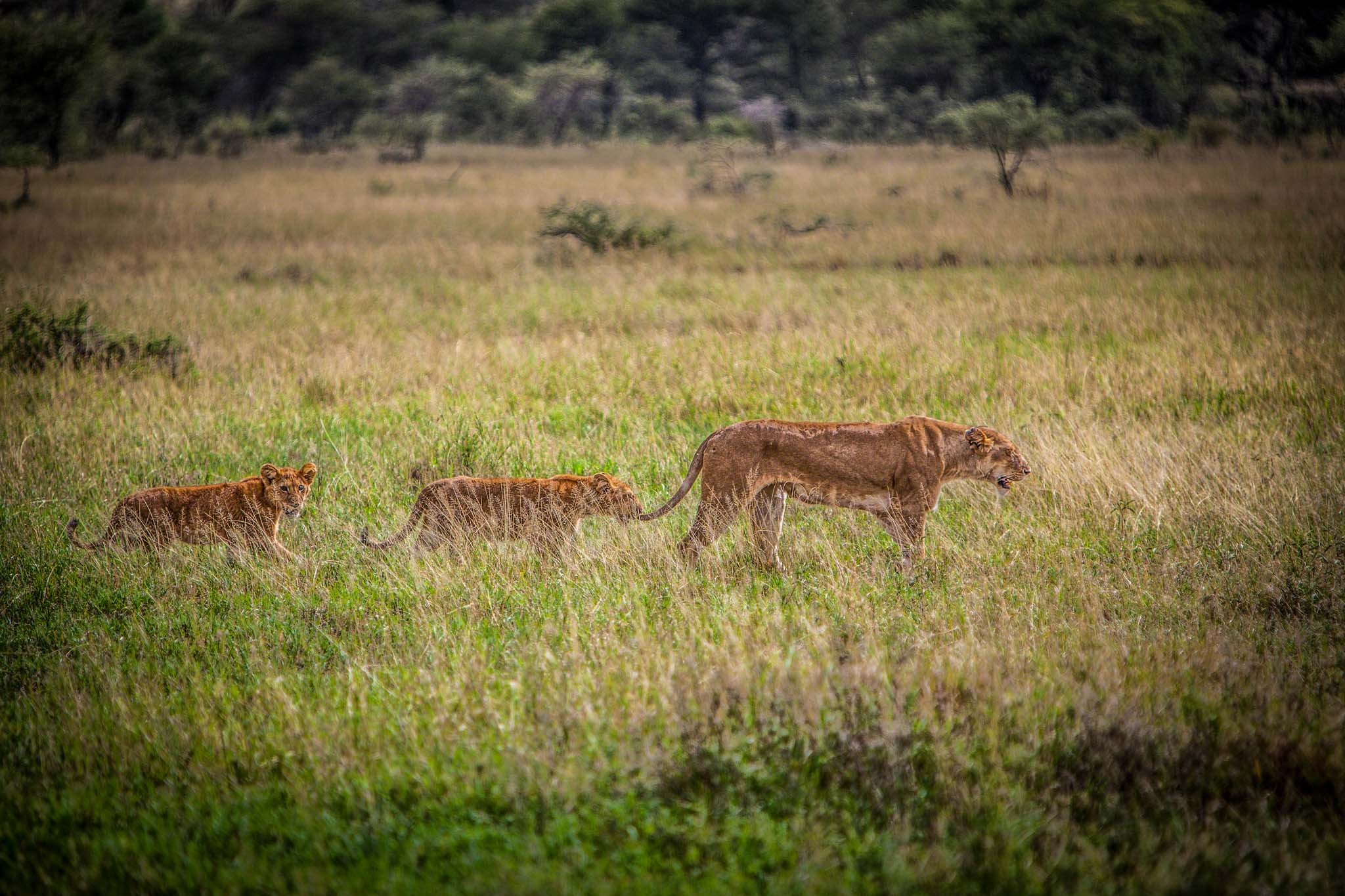
This geological containment means most animals — with the notable exception of elephants and leopards do not migrate out of the crater. Lions, hyenas, zebra, wildebeest, and rhinos are year-round residents. For black rhino sightings in Ngorongoro Crater, the Ngorongoro remains one of East Africa’s best locations, with a population of approximately 26 critically endangered black rhinos. These ancient animals, survivors of a species that has walked the Earth for millions of years, are now so rare that each individual has a name known to the rangers who protect them.
Wildlife You Will Encounter
| Animal | Population (approx.) | Best Viewing Zone | Notable Behaviour |
|---|---|---|---|
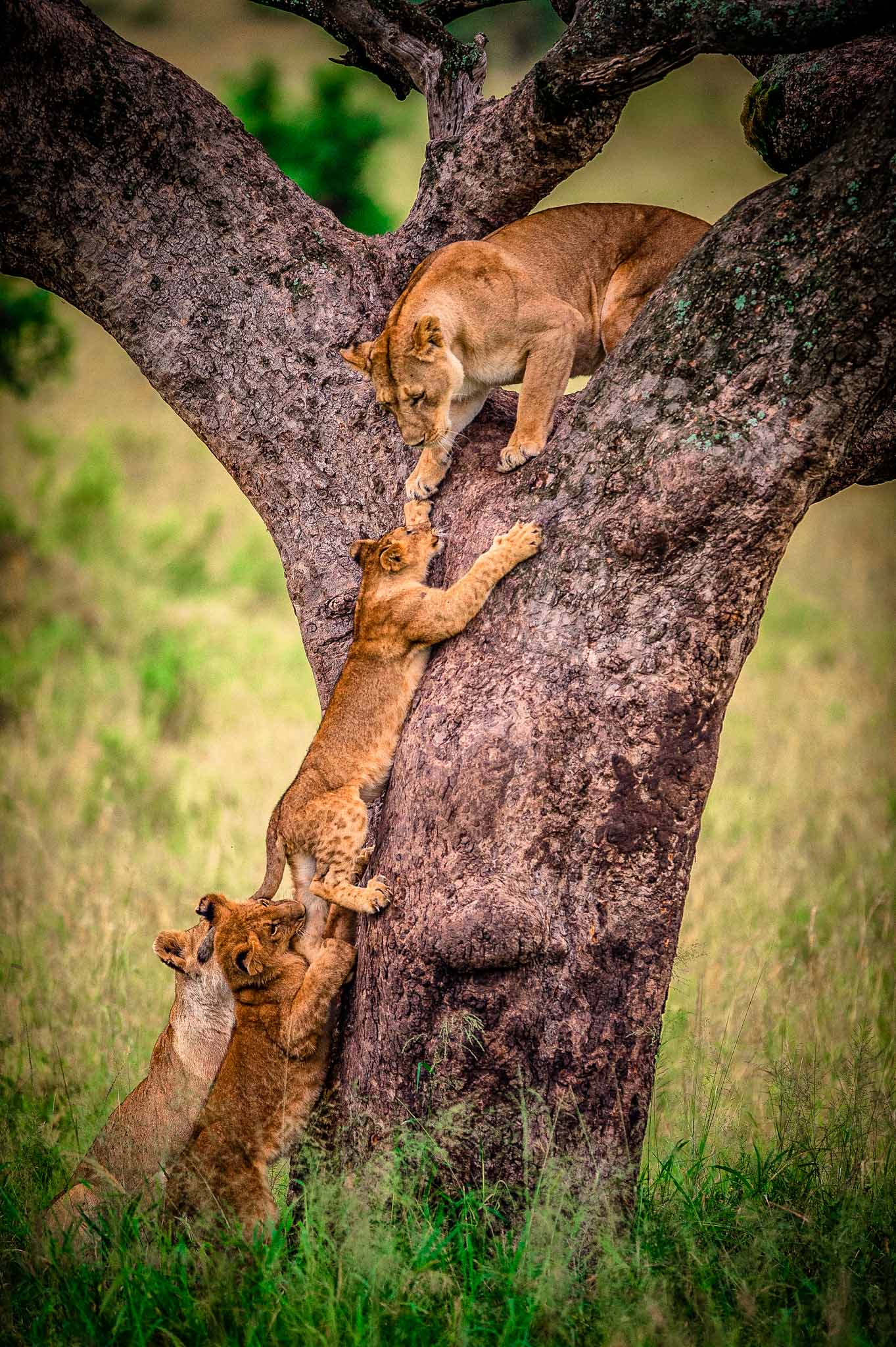
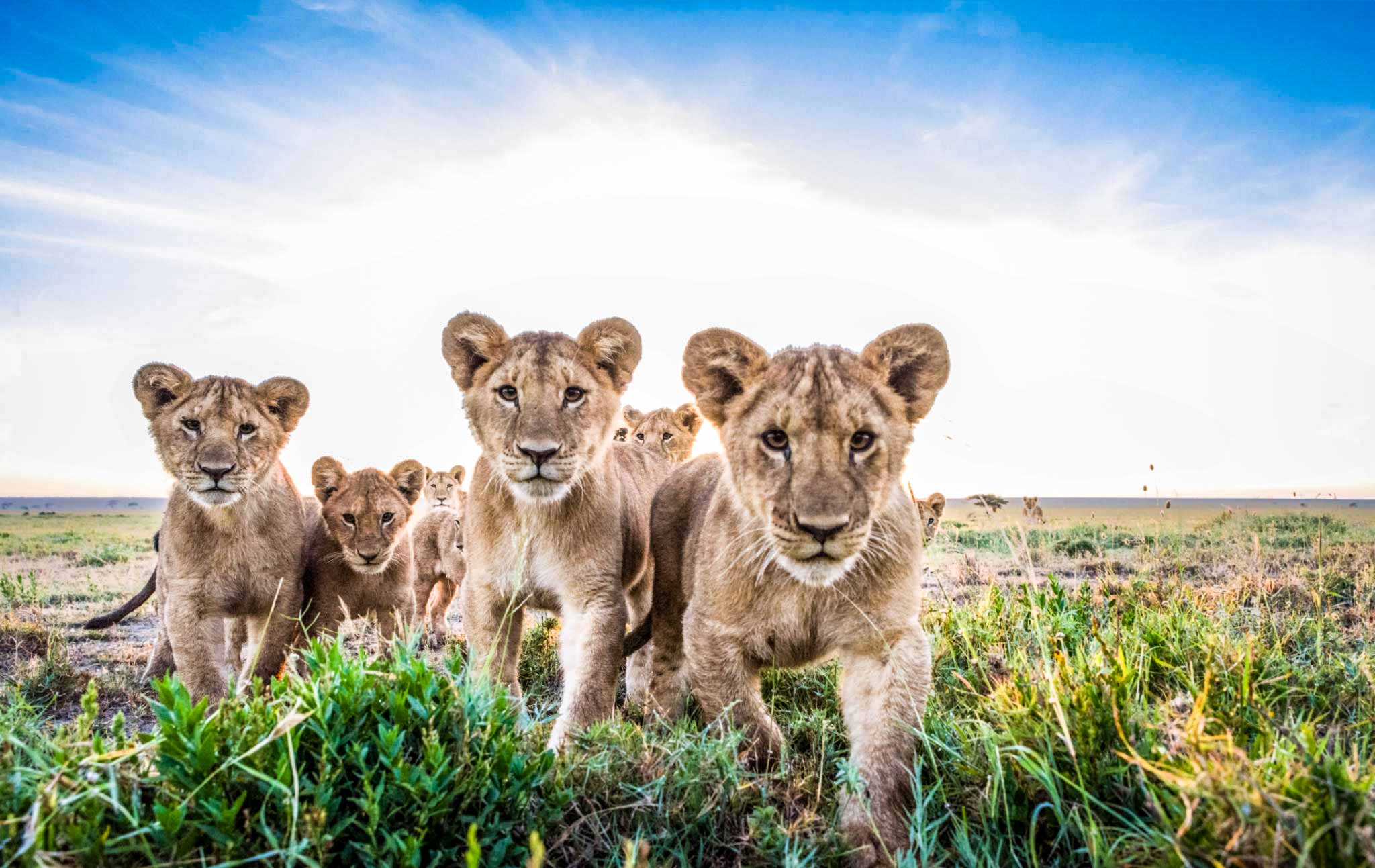
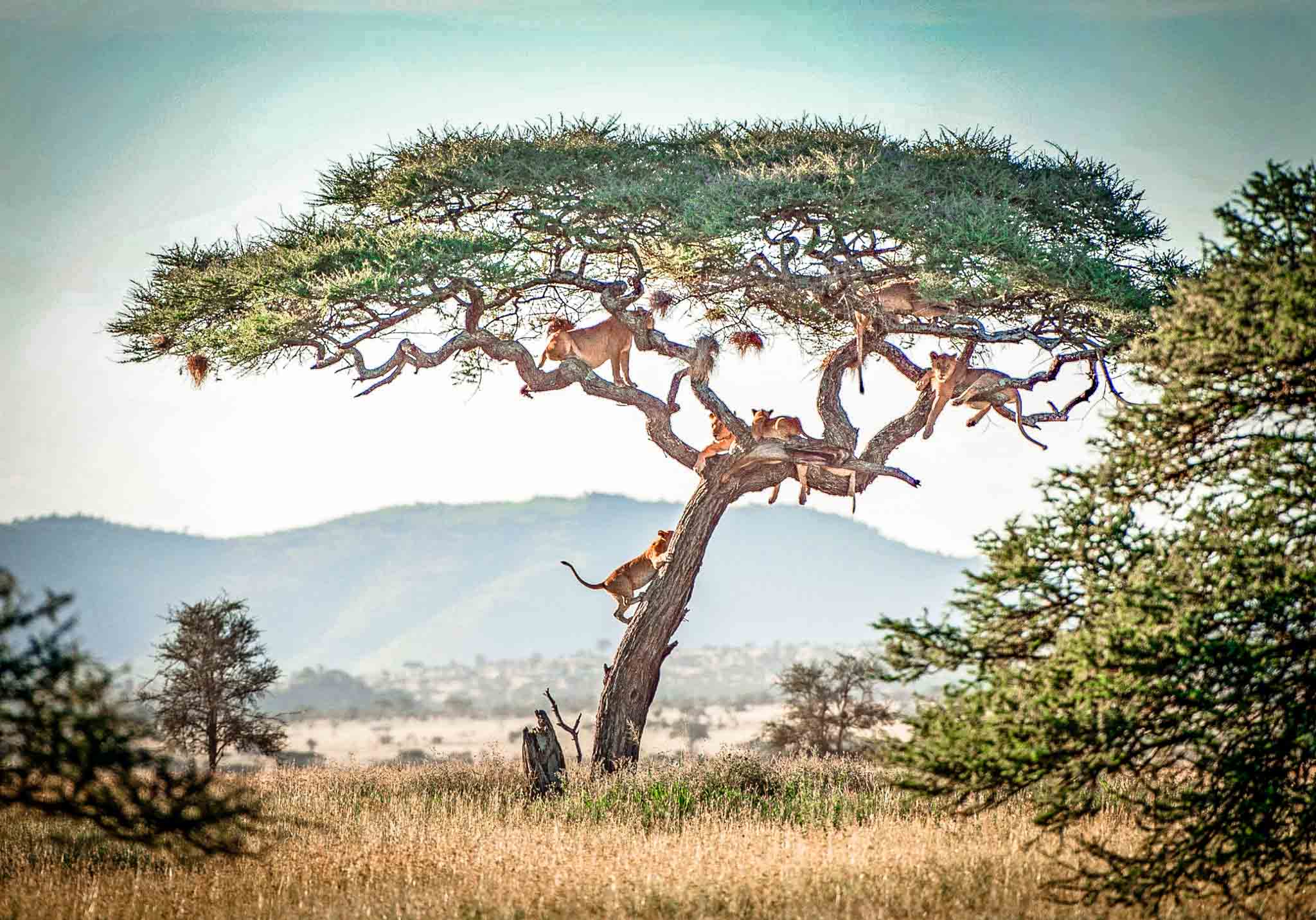
| Lion | 60–70 individuals | Open plains, den sites | Large, well-fed prides |
| Black Rhino | ~26 individuals | Lerai Forest edge | Often seen at dusk |
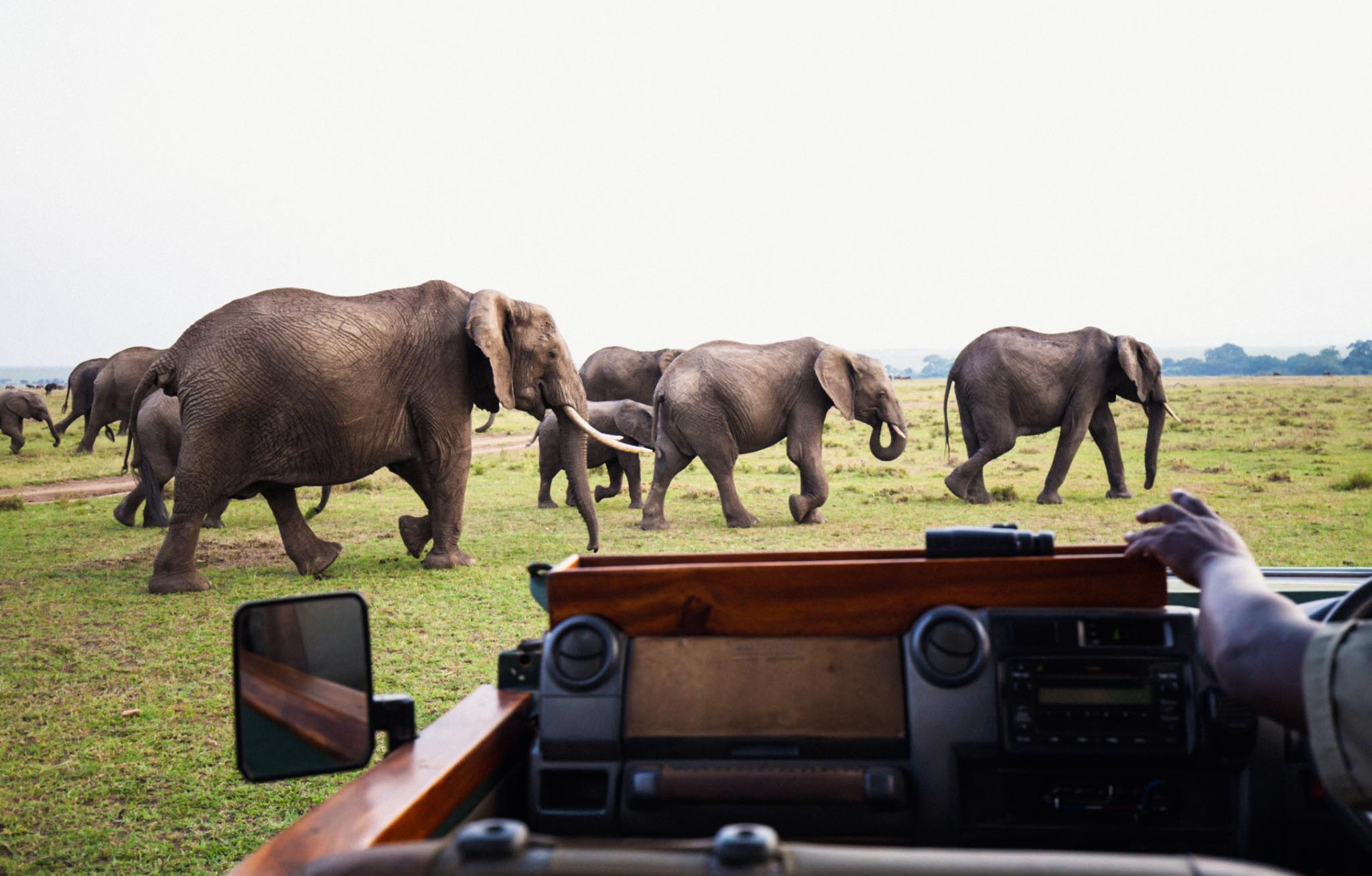
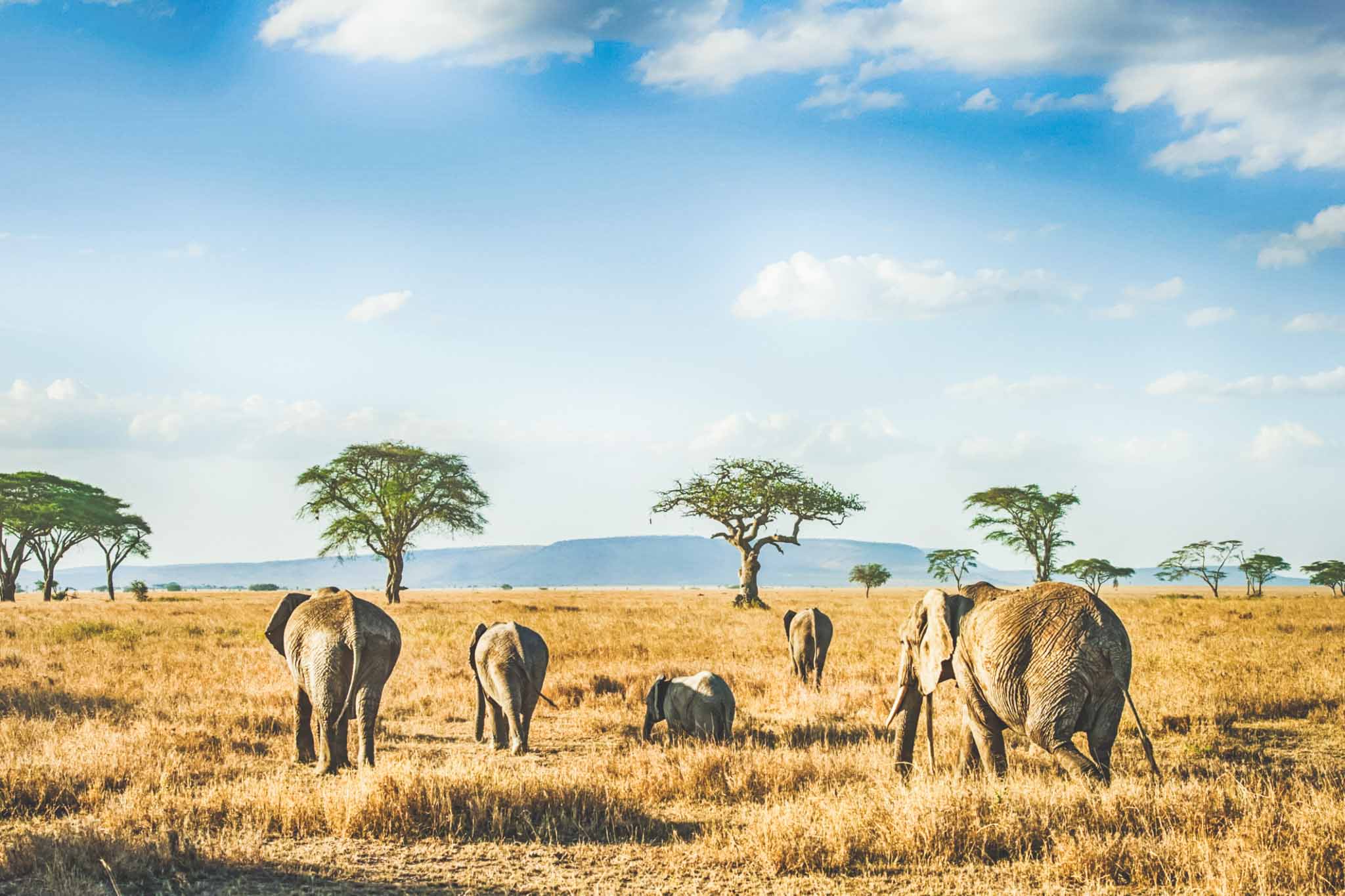
| Elephant | Visiting bulls only | Lerai Forest | Large-tusked old males |
| Spotted Hyena | 400+ individuals | Throughout crater | Largest clan in Africa |
| Flamingo | Thousands (seasonal) | Lake Magadi shores | Bright pink flocks |
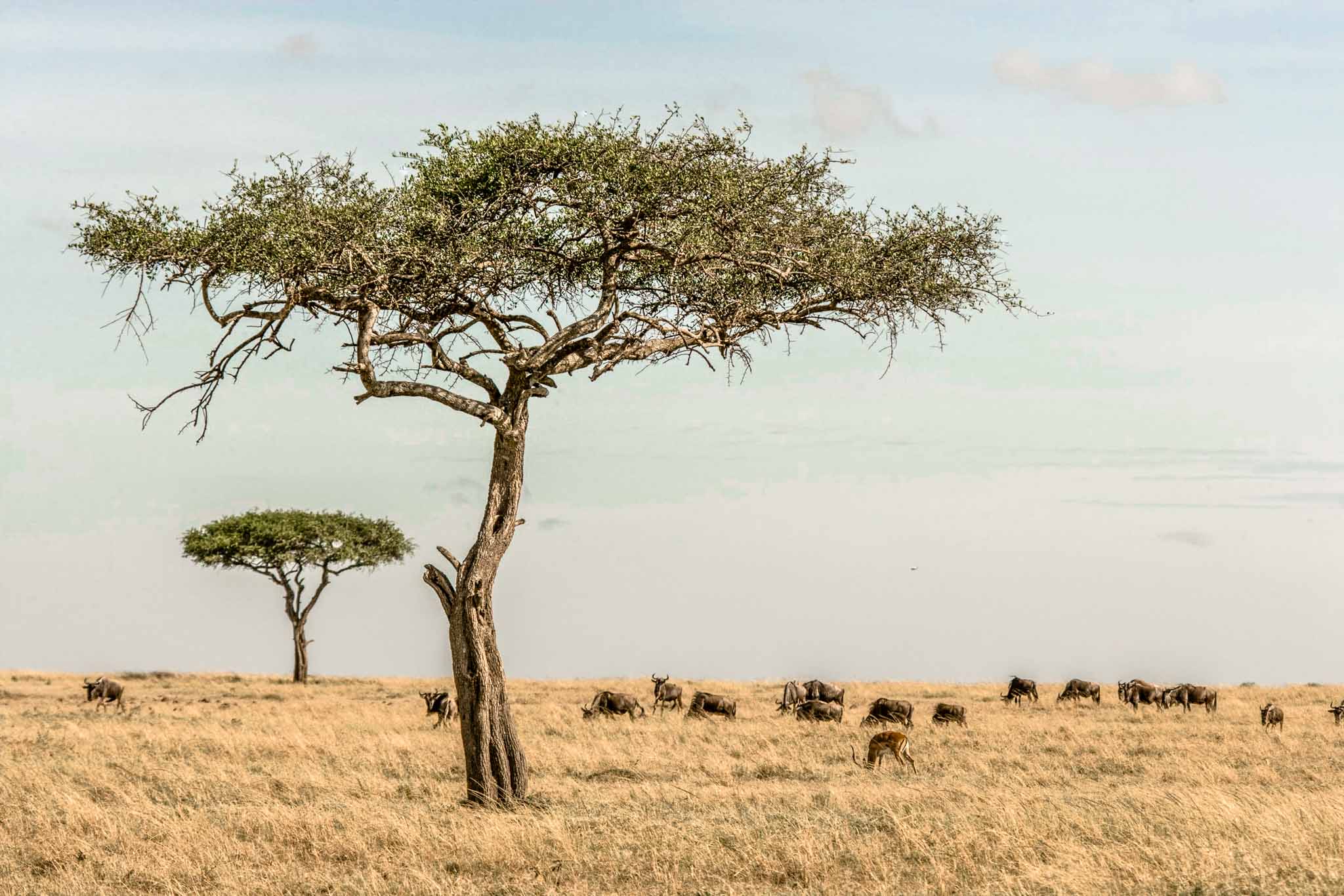
| Wildebeest | ~7,000 residents | Central grasslands | Year-round grazing |
| Cheetah | Small numbers | Open plains | Fastest predator, rare here |
| Hippo | Several pods | Crater floor pools | Year-round, near water |
The Maasai Dimension
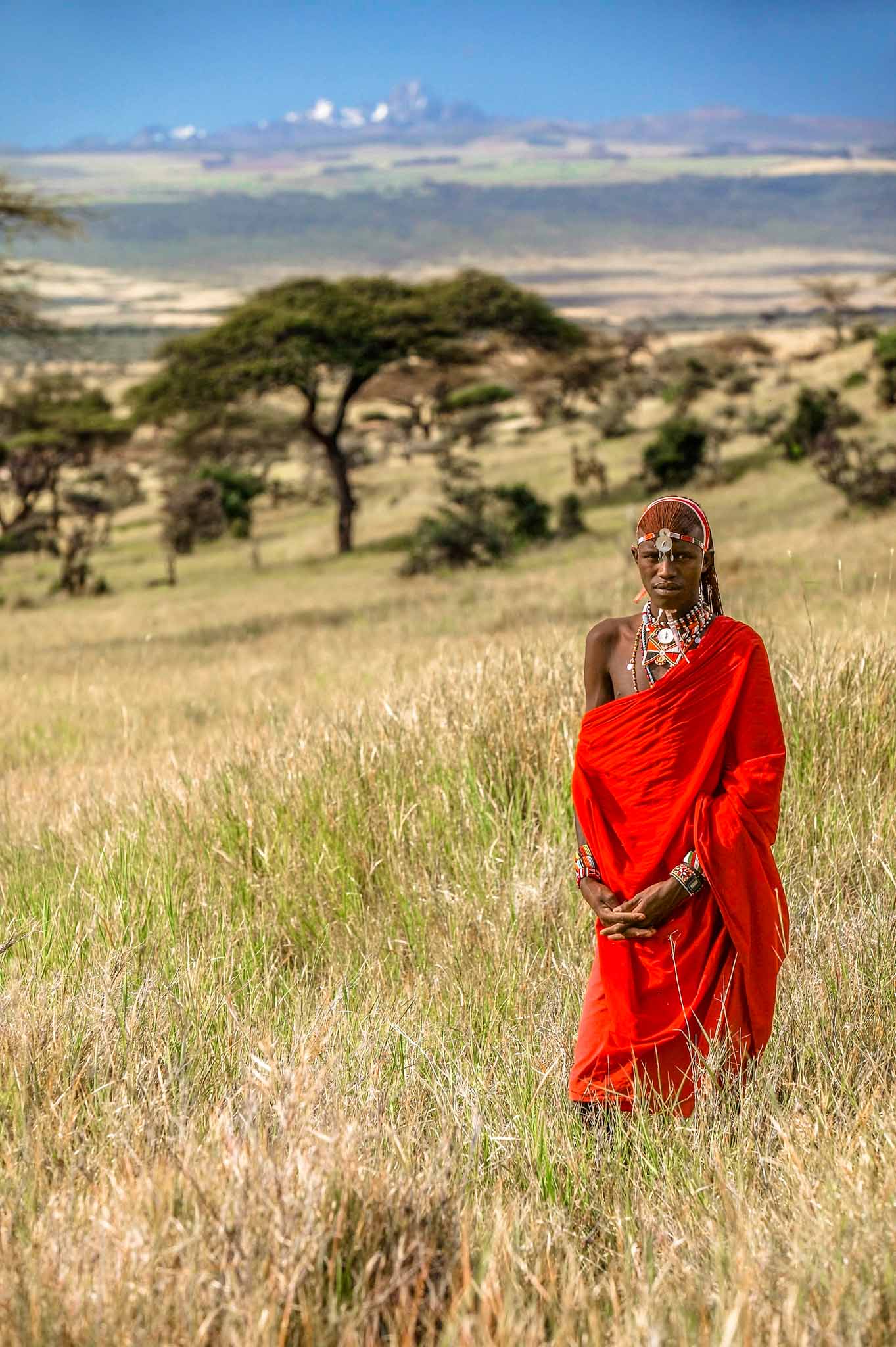
Ngorongoro is unique in Africa as a multi-use conservation area where the Maasai people retain traditional grazing rights alongside wildlife. For travellers seeking authentic Maasai cultural experience near Ngorongoro Crater, this creates extraordinary opportunities. Maasai villages (manyattas) on the crater rim welcome visitors for guided cultural exchanges — witnessing boma life, traditional dress, and the age-set warrior (morani) culture that has survived centuries of external pressure largely intact.
The Maasai’s relationship with wildlife here is complex and ancient. They do not hunt the game animals, following a cultural tradition of coexistence rooted in their identity as cattle people. Walking through a Maasai manyatta on the crater rim at dawn, with the vast caldera stretching out below and Maasai women going about their morning tasks around you, is a juxtaposition that no game drive can offer. Maasai village visit crater rim sunrise experience Ngorongoro is consistently rated among the most memorable moments by travellers who add it to their itinerary.
Olduvai Gorge: The Cradle of Mankind
No visit to Ngorongoro is complete without a stop at Olduvai Gorge, 45 kilometres west of the crater. Here, in 1959, Mary Leakey discovered the skull of Paranthropus boisei — a hominid dating back 1.75 million years — fundamentally reshaping humanity’s understanding of its own origins. Olduvai Gorge paleoanthropology museum day trip from Ngorongoro takes visitors to a remarkable small museum at the gorge rim, where fossil casts and interpretive displays explain how this dry, unassuming ravine became the birthplace of paleoanthropology. The gorge itself, cut through layers of volcanic sediment laid down over two million years, is visibly stratified — you can read human prehistory in the exposed rock faces.
Seasons & Visiting Conditions
| Month | Conditions | Wildlife Highlights |
|---|---|---|
| June – October | Cool, dry, clear walls | Lion kills, rhino sightings, predator action |
| November – December | Short rains begin | Green vegetation, flamingos arrive |
| January – February | Warm, occasional rain | Calving wildebeest, cheetah cubs |
| March – May | Heavy rains, misty walls | Lush scenery, birding peak, low crowds |
Where to Stay — Ngorongoro
⭐ NGORONGORO RIM LODGES — STAR RATING STYLE
★★★★★ Ngorongoro Crater Lodge — &Beyond — Iconic Maasai-meets-baroque architecture perched on the crater rim. Arguably the most dramatic lodge in Africa. Butler service, crater views from every suite. ~USD 1,800–2,500/person/night.
★★★★★ The Manor at Ngorongoro — Elewana Collection — Colonial farm estate with manicured gardens, horse riding, and refined interiors. 5km from crater rim. ~USD 1,200–1,800/person/night.
★★★★☆ Ngorongoro Serena Safari Lodge — Stone-built lodge integrated into the crater rim cliff face. Excellent views, reliable quality, good value for the location. ~USD 600–900/person/night.
★★★★☆ Lemala Ngorongoro — Tented camp on the crater rim, intimate and quiet. Morning descents start before other camps are awake. ~USD 700–1,000/person/night.
★★★☆☆ Rhino Lodge — Simple government-run lodge on the crater rim. No frills but spectacular position. ~USD 200–350/person/night.
★★☆☆☆ Ngorongoro Wildlife Lodge — Dated but functional, good for budget-conscious travellers who want the crater-rim position. ~USD 150–250/person/night.
Simba Campsite — The only public campsite on the crater rim. Basic facilities, extraordinary location. ~USD 40–60 per person per night.