When Is the Best Time to Visit Serengeti National Park for the Great Migration
If you are planning a safari to the Serengeti and trying to figure out the best time to visit Serengeti National Park for the Great Migration, you are asking exactly the right question — and the answer is more nuanced than most travel websites will tell you. The honest truth...

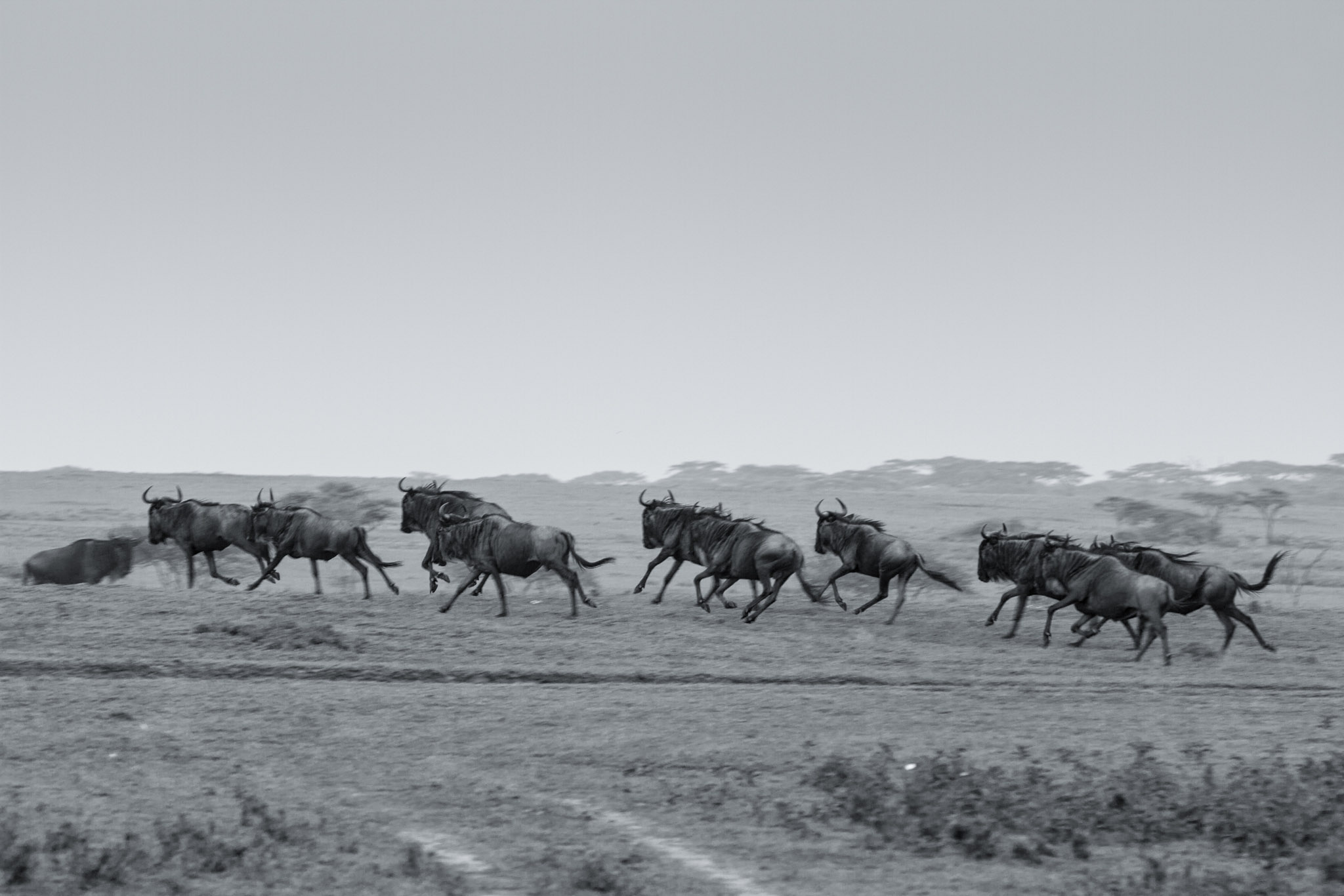
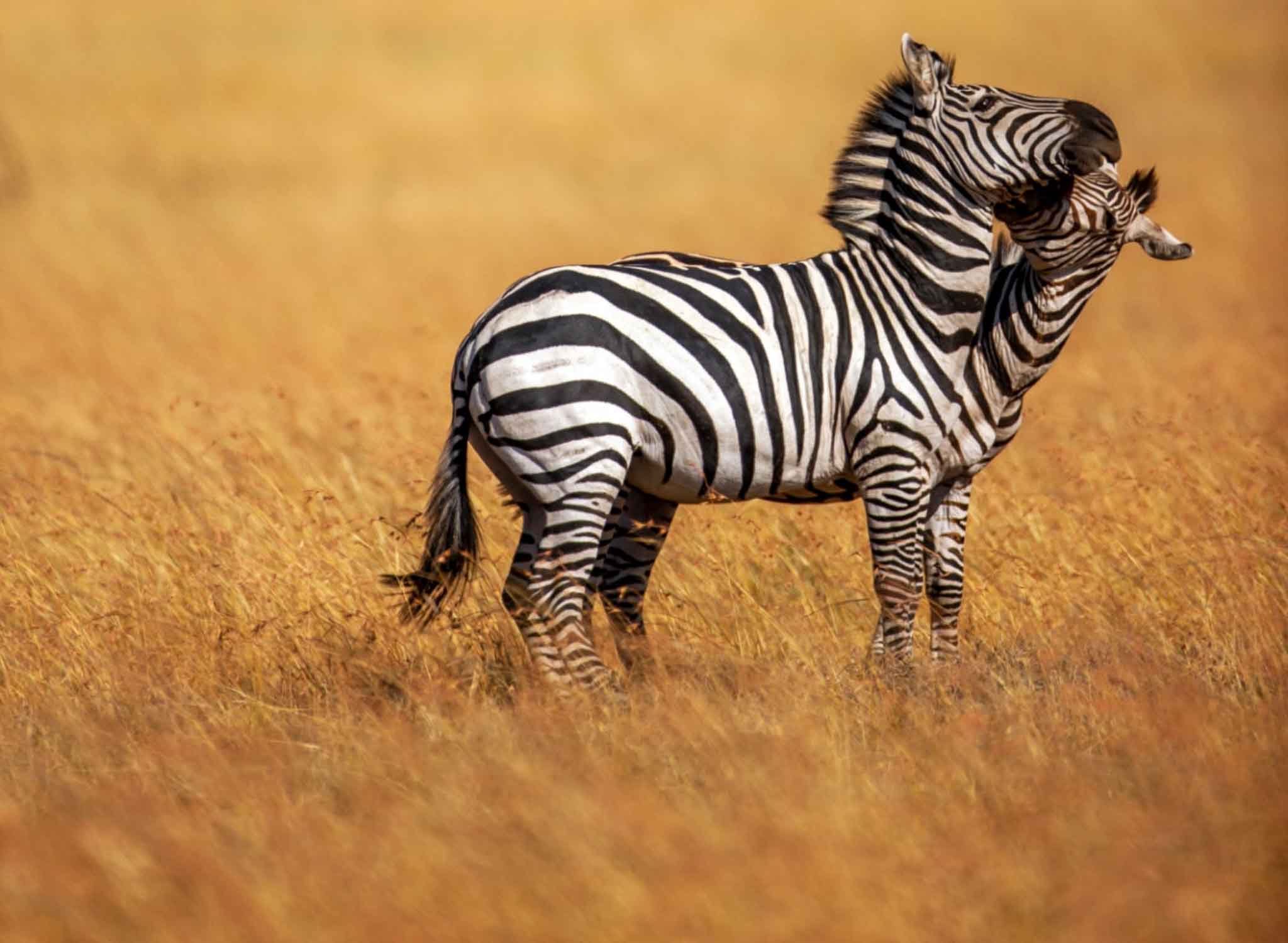
If you are planning a safari to the Serengeti and trying to figure out the best time to visit Serengeti National Park for the Great Migration, you are asking exactly the right question — and the answer is more nuanced than most travel websites will tell you. The honest truth is that there is no single “best” month. There is only the best month for what you want to see. The Great Migration is a year-round event, a continuous circular movement of over 1.5 million wildebeest, 400,000 zebra, and 200,000 Thomson’s gazelle across the Serengeti–Mara ecosystem. The herds never stop moving. What changes month by month is where they are, what they are doing, and how dramatic the experience is on the ground.
The Calving Season: January and February
For many wildlife photographers and safari veterans, January and February represent the most underrated time to visit the Serengeti. The enormous herds have moved south onto the short-grass plains of the Ndutu region in the southern Serengeti, and between late January and mid-March, the calving season begins. Nearly 8,000 wildebeest calves are born every single day during the peak calving period. The plains become a nursery and a hunting ground simultaneously — and the concentration of predators that gathers in response is extraordinary. Cheetahs, lions, leopards, and spotted hyenas press in on the herds from every direction. If you want intense big cat action and the raw drama of life and death playing out at speed on the open plains, January and February are arguably the best months to visit the Serengeti National Park for the Great Migration, despite rarely appearing at the top of bucket lists.
The River Crossings: July to October
The period from July to October is what most people picture when they imagine the Great Migration — the famous Mara River crossings. By July, the herds have moved north through the western corridor and into the Lamai Wedge and northern Serengeti, where the Mara River stands between them and the fresh grass of the Masai Mara in Kenya. The crossings are chaotic, loud, and viscerally powerful. Thousands of wildebeest and zebra pack onto the riverbank, the herd momentum builds, and eventually — sometimes after hours of collective hesitation — the first animal plunges in and the rest follow in a stampede of hooves and spray. Waiting Nile crocodiles, some over 4 metres long, lunge from the water. Animals are taken. Others make it across. The crossing lasts twenty minutes and leaves everyone who witnesses it in silence. This is the period with the highest visitor volumes and the highest prices. Book 9–12 months in advance for July and August at any decent camp in the northern Serengeti.
The Green Season: November and December
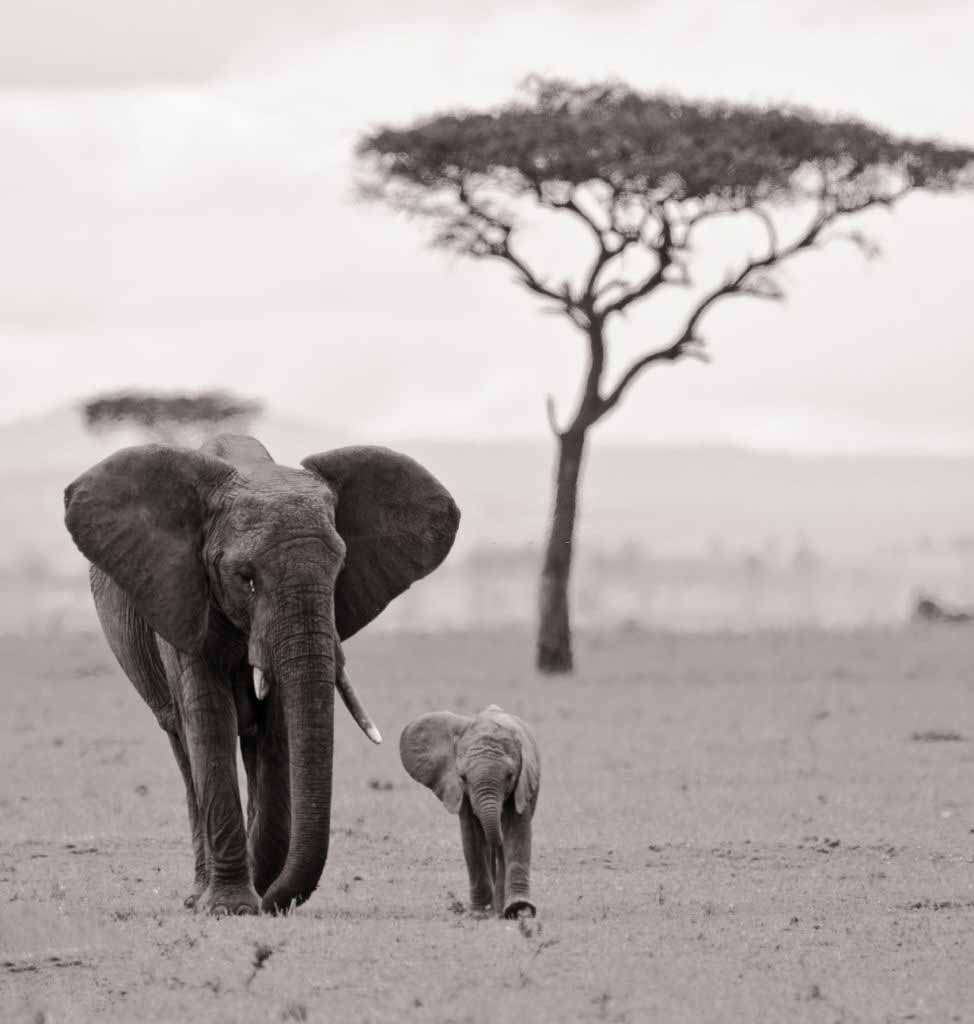
The short rains begin in November, and the herds start drifting south again. This is the green season — the Serengeti transforms from dusty gold to vivid green almost overnight after the first rains. This is one of the best times to visit the Serengeti for photography; the landscapes are extraordinary, the air is clean, the skies are dramatic with storm clouds building in the afternoon. Visitor numbers drop significantly after October, and many camps offer green season discounts of 20–40%. Wildlife is still abundant — the resident lions, leopards, and elephants of the central Seronera Valley are present year-round — and the migrating herds are moving, which means they can be found across a wide area. The green season is ideal for experienced safari travellers who already have the crossings under their belt and want a different dimension of the Serengeti experience.
The Practical Verdict
If you can only go once and want the most dramatic single event, plan for July or August in the northern Serengeti for the Mara River crossings. If you want intensity and predator action without the high-season crowds and prices, plan for January or February in the Ndutu region. If you want the Serengeti largely to yourself with spectacular scenery and excellent wildlife, go in November or April. Whatever month you choose, the Serengeti will not disappoint — it is simply too vast and too full of life to offer anything less than extraordinary.