Serengeti Lion Pride Tracking in the Seronera Valley
There are places in the world where lion sightings are possible. And then there is the Seronera Valley, where lion sightings are almost inevitable, where the question is not whether you will see lions but how many, and whether the pride you encounter in the morning will still be with...
There are places in the world where lion sightings are possible. And then there is the Seronera Valley, where lion sightings are almost inevitable, where the question is not whether you will see lions but how many, and whether the pride you encounter in the morning will still be with a kill when you return in the afternoon. Serengeti lion pride tracking in the Seronera Valley is one of the most consistently productive wildlife activities in all of Africa — a region of the park that has been continuously monitored by researchers for over five decades, producing one of the most detailed long-term lion population studies in the world.
Why the Seronera Valley
The Seronera Valley occupies the geographical centre of the Serengeti and owes its exceptional lion population to a simple ecological formula: permanent water plus year-round resident prey equals the conditions for stable, large lion prides. The Seronera River flows through the valley every month of the year, supporting populations of hippo and crocodile but more importantly sustaining the prey species — zebra, impala, topi, warthog — that form the bulk of the lions’ diet. The rocky kopjes that characterise the valley landscape provide perfect lion habitat: elevated resting spots with 360-degree visibility, shade from the acacia trees that grow in the rock crevices, and multiple escape routes if the rare need arises.
The Kopje Prides
The Seronera Valley is home to several resident lion prides, each with named territories centred on specific kopje complexes. The Simba Kopjes, the Maasai Kopjes, and the Seronera Kopjes are the most well-known lion viewing areas, and experienced guides know each resident pride individually. Understanding the pride structure — which females have cubs, which males hold the territory, where the boundaries of adjacent prides lie — is what separates an expert guide’s Seronera lion tracking from a basic game drive. The difference between a guide who says “there are lions on that kopje” and one who says “that is the northern female of the Simba Kopje pride — she had three cubs six weeks ago, so her hunting range has contracted and she will be most active between 6 and 8 AM near the lugga to the north” is the difference between observation and understanding.
Tracking Techniques
Lion tracking in the Seronera Valley relies on three primary techniques. First, early morning positioning — lions are most active in the two hours around dawn and the hour before dusk, and driving the valley’s road system at first light regularly turns up prides already active or returning from a night hunt. Second, bird behaviour — when a lion kill has occurred overnight, the arriving vultures and the noise of squabbling hyenas can be located from considerable distances; a column of descending vultures at dawn is one of the Serengeti’s most reliable indicators of large predator activity. Third, radio collaring data — several of the Seronera Valley’s lions carry research collars, and camps with connections to the research community can sometimes access current collar data to significantly narrow the search area.
What to Expect on a Lion Tracking Drive
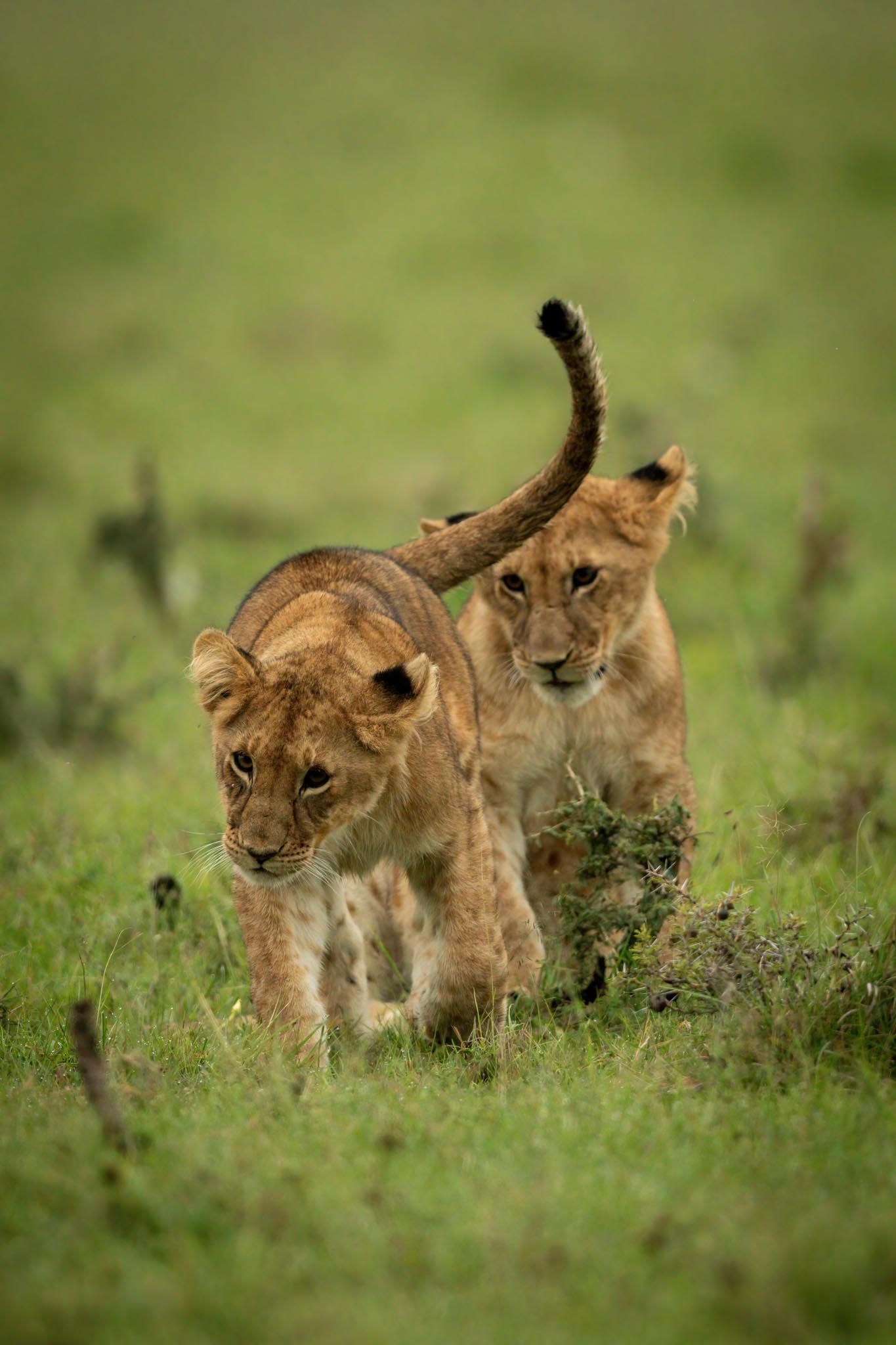
A productive Seronera Valley lion tracking game drive begins with the camp gate opening at 6 AM and driving directly to the kopje complex where the pride was last seen or where conditions most favour their presence. In the dry season, the lions move less — the prey is concentrated near water and the lions establish predictable routines around hunt and rest. Morning activity typically involves a hunt attempt or the feeding of a recent kill, followed by resting through the midday heat. Return to the same pride in the late afternoon and you will often find the adults rousing themselves for the evening hunt — greeting each other, cubs playing, adults stretching. This is the behaviour that wildlife photographers prize above almost any other lion encounter, and the Seronera Valley delivers it with greater reliability than anywhere else in East Africa.