Mobile Camp Luxury Safari Following the Great Migration
The Great Migration moves. It is not an event that happens in one place on one date — it is a continuous, directional movement of over 1.5 million animals across a landscape of nearly 30,000 square kilometres. Standard lodge-based safaris require you to go to the migration. A mobile camp...
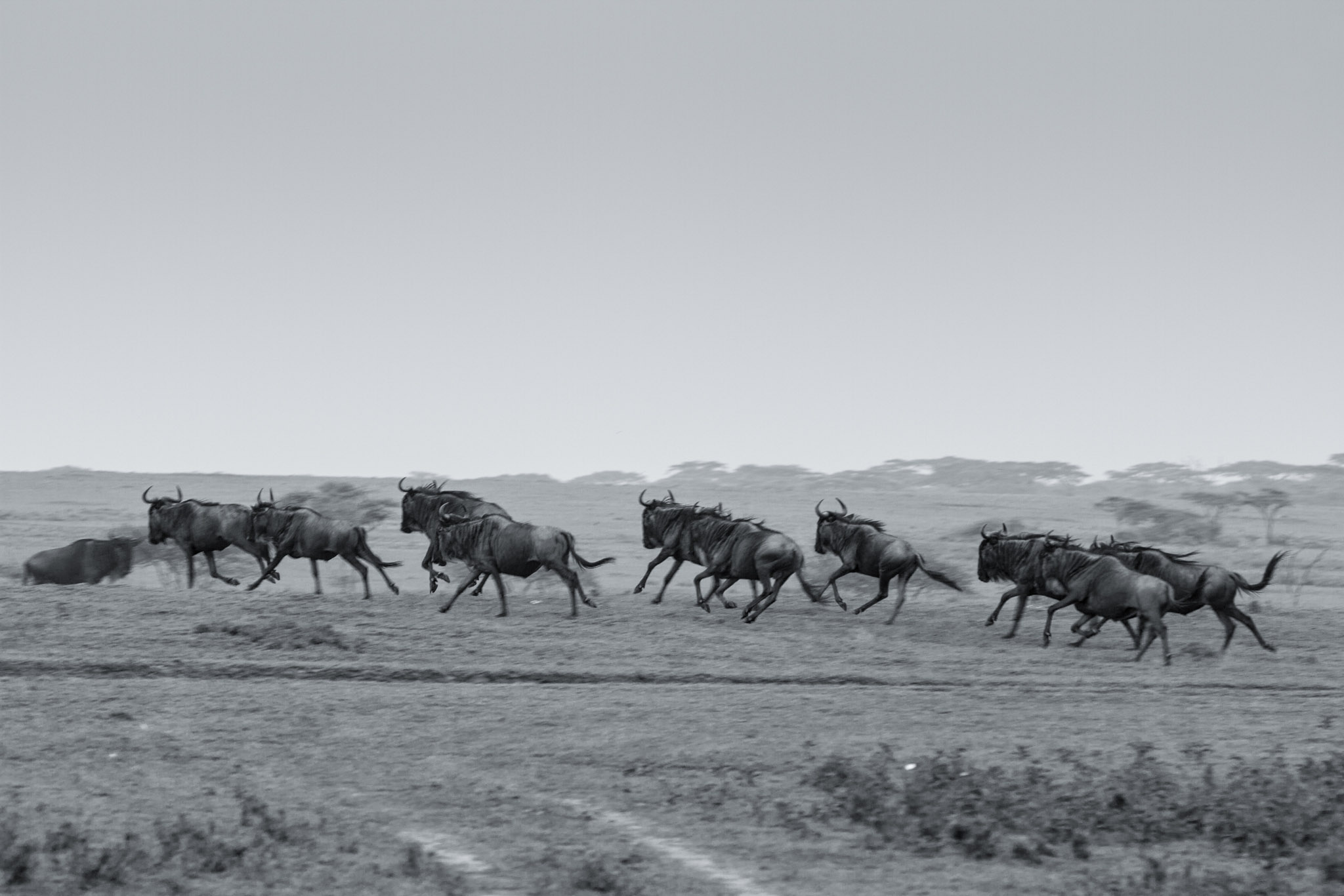
The Great Migration moves. It is not an event that happens in one place on one date — it is a continuous, directional movement of over 1.5 million animals across a landscape of nearly 30,000 square kilometres. Standard lodge-based safaris require you to go to the migration. A mobile camp luxury safari following the Great Migration turns that equation around: the camp comes to you, positioning itself within the migration rather than adjacent to it, moving with the herds as they move through the seasons.
Mobile camp safaris are the most immersive and most exclusive way to experience the Serengeti. The camps themselves — typically 6 to 10 tents only — are established in specific locations for blocks of weeks or months, then broken down and moved to the next optimal position as the migration progresses. The physical infrastructure is sophisticated: proper beds with high-quality linen, en-suite hot bucket showers, flush toilets, a dining tent with real cooking, and lounge and bar areas that feel genuinely comfortable rather than merely adequate. The sacrifice is permanence — there is no swimming pool, no spa, no infinity deck. In exchange, there is something more valuable: the tent fly rustling in the same wind that moves the grass where the wildebeest are grazing 200 metres away, and the knowledge that tomorrow morning’s game drive will begin in the middle of the migration rather than driving toward it.
The Calendar of a Migration Camp
A well-managed mobile migration camp follows a schedule roughly aligned with the movement of the herds. From January to March, camps in the Ndutu region of the southern Serengeti capture the calving season. From June, camps move to the western corridor for the Grumeti River crossings. From late July through October, the prime position is the northern Serengeti — the Lamai Wedge and the Mara River area — where the most dramatic Mara crossings occur. The precise timing shifts year to year depending on rainfall patterns, and the best mobile camp operators have guides with decades of experience reading the herds’ movement and positioning the camp accordingly.
The experience of waking in a mobile camp in the northern Serengeti in August, unzipping your tent door at dawn to find wildebeest grazing fifty metres away, and sitting down to breakfast while the sounds of the migration surround you, is one that no permanent lodge — however beautiful — can replicate. This is the Serengeti as it was before lodges existed: just humans, canvas, and the oldest animal spectacle on Earth.