Africa’s Largest Wildlife Area
Southern Tanzania | 50,000 km² | UNESCO World Heritage Site
The Selous Game Reserve — renamed Nyerere National Park in its protected photographic core in 2019, in honour of Tanzania’s founding father Julius Nyerere — is Africa’s largest game reserve, covering approximately 50,000 square kilometres of southern Tanzania. To contextualise this scale: the entire country of Switzerland could fit inside it with room to spare. For travellers researching Selous Game Reserve Nyerere National Park size comparison largest wildlife reserve Africa, this is the answer — and that vastness translates directly into a solitude and wildness that no northern-circuit park can replicate. There are areas of the Selous that have never been visited by tourists, never been mapped in detail, and remain as genuinely unknown as anywhere on the continent.
The Rufiji River: Life Source of the Selous
Rufiji River boat safari Selous Nyerere National Park crocodile hippo wildlife, is one of Africa’s most thrilling wildlife activities, and the Rufiji is the engine that makes it possible. Africa’s largest east-flowing river cuts through the heart of the Selous, expanding into a maze of oxbow lakes, papyrus channels, and sand banks hosting Africa’s highest concentration of Nile crocodiles and some of its largest hippo pods. A boat safari here — gliding at water level past basking crocodiles 4 metres long and hippo pods of 50 or more — is an entirely different register of wildlife encounter from a land-based game drive.
The Rufiji also creates the conditions for extraordinary bird life: African skimmers skim the water’s surface at speed, carmine bee-eaters nest in the sandy banks in clouds of red and turquoise, and the yellow-billed stork stands motionless in the shallows with a patience that shames most meditation practitioners. The boat safari at dawn — when the mist is still on the water and crocodiles line every sandbank — is the Selous experience that visitors remember longest.
Wildlife Across a Vast Ecosystem
| Species | Selous Population | Notes |
|---|---|---|
| African Elephant | ~13,000 (recovering) | Severely poached 2000–2015; recovery ongoing under protection |
| African Wild Dog | World’s largest single population | Most reliable viewing in all of Africa |
| Lion | ~4,000 individuals | One of Africa’s largest remaining populations |
| Hippopotamus | Very high | Rufiji River holds thousands |
| Nile Crocodile | Extremely high — highest in East Africa | Sandy banks hold dozens at a time |
| Cape Buffalo | ~150,000 | Enormous migratory herds across the ecosystem |
| Sable Antelope | Good numbers | Rare in most East African parks |
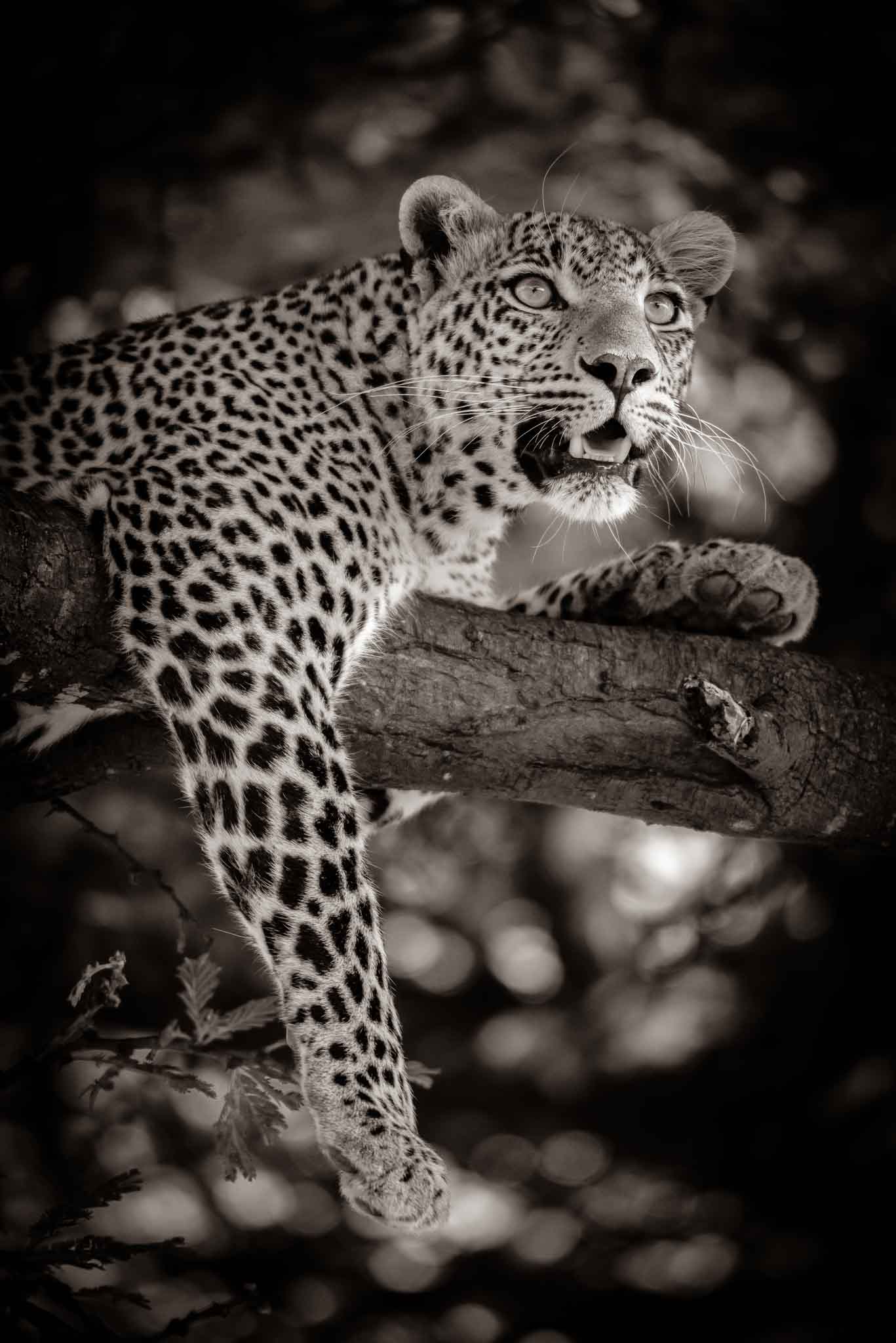
| Leopard | Present and widespread | Night drives essential for best sightings |
African Wild Dogs: The Selous Speciality
If a single animal defines the Selous beyond the river itself, it is the African wild dog. The reserve holds what is believed to be the world’s largest single population of this critically endangered species — approximately 1,200–1,500 individuals across the ecosystem. African wild dog pack hunting Selous Nyerere National Park denning season sightings during the denning season (June–August), when packs return daily to a fixed den site with pups, offer almost guaranteed encounters of extraordinary quality. Watching a pack of 20 painted wolves coordinate a hunt across the Selous floodplain at dawn is the kind of experience that remains lodged in memory permanently — the speed, the communication, the shared intelligence of the hunt, and the almost alien beauty of their painted coats moving through the yellow grass.
Unlike cheetahs or lions, wild dogs are relentlessly active and cover enormous ground. A morning with them might cover 15 kilometres of the reserve at pace. They are the most energetic wildlife encounter on the continent, and the Selous is their capital.
Activities: Beyond the Game Drive
Boat Safari: Rufiji River sunset boat safari Selous crocodile watching hippo pods is the park’s signature activity — a 2–3 hour float along the river and oxbow lakes in a motorised boat, with crocodiles on every bank, fish eagles overhead, and the Selous silence broken only by the water and wildlife around you.
Walking Safaris: The Selous is one of the few Tanzanian parks permitting walking safari Selous Game Reserve armed professional guide tracking, in the broader game reserve area. Moving on foot through a landscape with freely roaming elephant, buffalo, and lion is an experience that fundamentally resets your relationship with the natural world. Your guide reads the landscape — the fresh tracks, the direction of the wind, the behaviour of oxpeckers on a distant buffalo — in real time.
Fly Camping: Fly camping Selous Game Reserve remote wilderness overnight experience places guests overnight in a simple tented fly camp deep in the reserve — just a campfire, a canvas roof, and an Africa that has barely changed in 10,000 years surrounding you in every direction.
Sport Fishing: The Rufiji and its associated lakes offer excellent fishing for tiger fish and other species, with catch-and-release practices now the norm in responsible operations.
Season & Access
| Season | Conditions | Best Activities |
|---|---|---|
| June – October | Dry, excellent access, peak wildlife concentration | Boat safari, walking, game drives, wild dog denning |
| November – December | Short rains begin, green, still accessible | Birding, green season photography, good value |
| January – February | Hot, occasional rains, good access | Wildlife active, fewer visitors, lower rates |
| March – May | Heavy rains, most lodges closed | Inaccessible — do not attempt |
Where to Stay — Selous / Nyerere
🌿 SELOUS ACCOMMODATION — COMPLETE GUIDE
| Property | Tier | Setting | Price/Person/Night | Signature Experience |
|---|---|---|---|---|
| Roho ya Selous | Ultra-Luxury | Riverine forest, lake views | USD 1,800–2,500 | Exclusive, private feel, boat + walk |
| Sand Rivers Selous | Luxury | Rufiji River frontage | USD 1,200–1,800 | Open-sided rooms, river views, walking safaris |
| Siwandu Camp | Luxury | Lakeside, Nzerakera Lake | USD 900–1,400 | Boat safaris, excellent wild dog area |
| Beho Beho | Luxury | Hilltop, panoramic views | USD 1,000–1,500 | Walking safaris, remote location |
| Selous Impala Camp | Mid-Range | Rufiji River | USD 350–600 | Good value, reliable boat safaris |
| Lake Manze Tented Camp | Mid-Range | Lake Manze | USD 300–500 | Hippo and croc watching from camp |
| Selous Riverside Camp | Budget | Rufiji River | USD 150–250 | Affordable, river access, basic comfort |
| Fly Camp | Wilderness | Remote Selous interior | USD 200–350 | Overnight in the deep bush, no facilities |