Overview
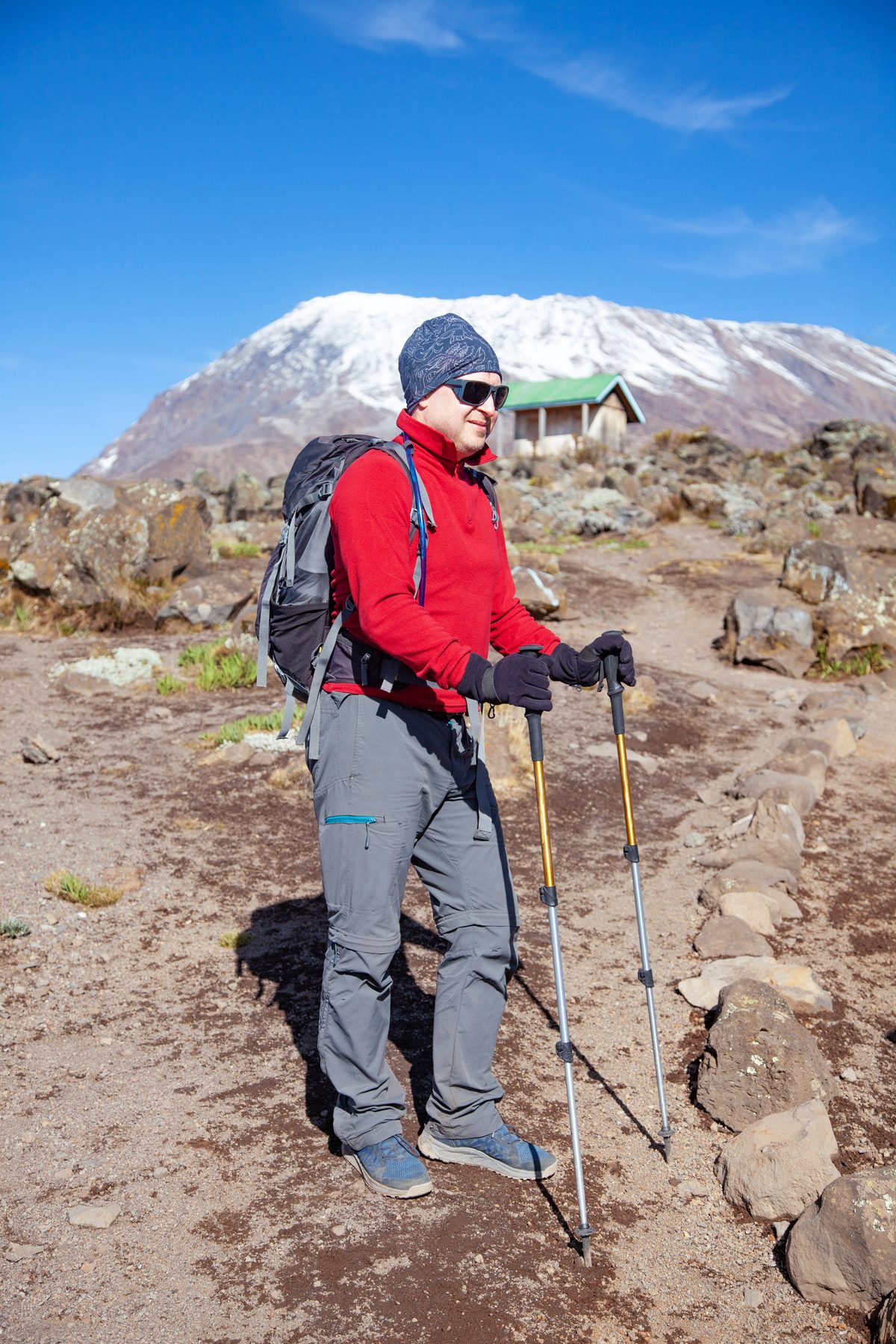
Kilimanjaro is the highest point on the African continent and the tallest free-standing mountain in the world, rising straight from savannah at around 900m to a glaciated summit at 5,895m. No technical climbing gear is needed — it’s a high-altitude trek, not a climb — but the altitude is real, which is why route and pace matter more than fitness alone. Several routes approach from different sides of the mountain, each passing through five distinct climate zones from cultivated farmland to alpine desert to arctic summit conditions.
Wildlife Highlights
- Uhuru Peak — the true summit at 5,895m
- Five climate zones in a single trek: rainforest to arctic summit
- Multiple routes (Marangu, Machame, Lemosho, Rongai, Umbwe) to suit pace and experience
- Glaciers and crater views at the summit (subject to conditions)
- No technical climbing skills required
Things to Do
- Game drives and guided walks
- Photography and storytelling
- Cultural encounters
- Pair with another Tanzania destination
Best Time to Visit
The two main dry windows are January–March (colder, quieter, clear skies) and June–October (Tanzania’s long dry season, the busiest and most popular months to climb). We avoid the April–May and November long/short rains for scheduled treks.
Gallery




Where to Stay
Mountain huts & tented camps