Hadzabe Hunter-Gatherer Experience Lake Eyasi Tanzania Cultural Immersion
There are wildlife experiences that move you, and there are human encounters that change you. The Hadzabe hunter-gatherer experience at Lake Eyasi is firmly in the second category — an encounter with a way of life so ancient, so complete in its internal logic, and so radically different from the...
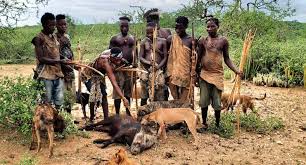
There are wildlife experiences that move you, and there are human encounters that change you. The Hadzabe hunter-gatherer experience at Lake Eyasi is firmly in the second category — an encounter with a way of life so ancient, so complete in its internal logic, and so radically different from the material world most visitors inhabit, that it challenges, gently but persistently, every assumption about what human life is for and what it requires.
The Hadzabe have lived in and around the Lake Eyasi basin for an estimated 50,000 years or more — a period longer than the history of modern human settlement in Europe, longer than the agricultural revolution that transformed most human societies from hunter-gatherers to farmers. They have remained hunter-gatherers not because they lack access to alternative economic models — neighbouring communities of Datoga pastoralists and Iraqw farmers are within easy walking distance — but because the hunter-gatherer life, with its profound intimacy with the natural environment, its social equality, its freedom from agricultural debt and land tenure conflict, continues to provide, in their assessment, a sufficient and satisfying existence.
The experience of spending a morning with Hadzabe hunters begins the evening before: an agreement with the camp’s community liaison about which family group to join, and a 4:30 AM departure in the pre-dawn darkness. The camp is asleep. The road to the Hadzabe encampment is unlit and rough, and arriving in the bush camp by headlamp to find the hunters already awake and stringing their bows by firelight is the first moment of genuine dislocation from the safari world — this is not a prepared demonstration, this is the actual start of an actual working day for the people who live here.
Moving through the Eyasi bush with the Hadzabe hunters — in silence, at their pace, following a trail readable only to eyes trained by a lifetime in this specific landscape — is an exercise in profound attentiveness. Your guide translates, briefly and quietly, the observations the hunters make as they move: the broken grass that indicates where a dik-dik bedded overnight, the specific bird call that tells the experienced ear that something has disturbed the bush 100 metres ahead, the fresh track in the dust that carries information about the size, direction, and pace of the animal that made it. Whether a hunt is successful or not is almost beside the point. The point is the quality of attention — theirs and, eventually and imperfectly, yours.