Lake Eyasi Flamingo Waterbird Birdwatching Alkaline Lake Tanzania
Lake Eyasi is an alkaline lake — chemically hostile to most forms of aquatic life, with a pH that makes swimming uncomfortable and most fish survival impossible, but which supports the growth of Spirulina and other blue-green algae that constitute the primary food source of the lesser flamingo. When conditions...
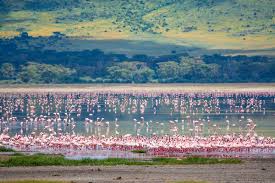
Lake Eyasi is an alkaline lake — chemically hostile to most forms of aquatic life, with a pH that makes swimming uncomfortable and most fish survival impossible, but which supports the growth of Spirulina and other blue-green algae that constitute the primary food source of the lesser flamingo. When conditions are right — when water levels are appropriate and the algal bloom is at its seasonal peak — the lake’s shallows fill with flamingo flocks of extraordinary size, turning the shore a deep rose-pink visible from the escarpment above.
The timing of flamingo concentrations at Lake Eyasi is less predictable than at more famous flamingo sites such as Kenya’s Lake Bogoria or Tanzania’s Lake Natron (the primary East African flamingo breeding site), because Eyasi’s water level and chemistry fluctuate significantly with rainfall variation. In good rainfall years, when the lake fills to a depth that supports abundant algal growth, the flamingo numbers can be spectacular — tens of thousands of lesser flamingos and significant numbers of the larger greater flamingo creating a continuous pink line along the shallower western shore. In dry years, the lake may partially dry to hypersaline conditions that even flamingos find unfavourable, and the birds redistribute to other rift valley lakes.
Beyond the flamingos, Lake Eyasi supports a productive waterbird community that rewards birdwatchers visiting in any season. African open-billed storks move along the shore margins in deliberate lines, using their distinctive open-tipped bills to extract freshwater snails and mussels from the substrate. Black-winged stilts — elegant black-and-white waders with improbably long red legs — feed in the shallowest water. African spoonbills swing their spatulate bills through the water in the characteristic sweeping motion that gives the bird its name. The African fish eagle, iconic symbol of East African water bodies, calls from tall trees along the lake shore with a call so resonant and so specifically associated with African wilderness that hearing it immediately and viscerally relocates the listener to the deep African interior. Birding at Lake Eyasi at dawn, with the escarpment turning gold behind you and the lake surface still and silver before you, is one of northern Tanzania’s quieter and most rewarding wildlife experiences — genuinely off the tourist map and all the more valuable for it.