Snorkelling in Lake Tanganyika Mahale Endemic Cichlid Fish Species Biodiversity
Lake Tanganyika is the world’s second-deepest lake (1,470 metres maximum depth) and, after Lake Baikal in Siberia, the world’s second-largest freshwater lake by volume. Its age — estimated at 9 to 12 million years, making it one of the world’s oldest lakes — and its geological isolation have produced the...
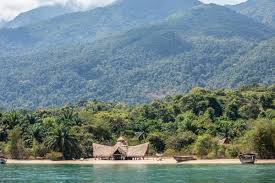
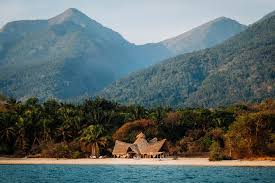
Lake Tanganyika is the world’s second-deepest lake (1,470 metres maximum depth) and, after Lake Baikal in Siberia, the world’s second-largest freshwater lake by volume. Its age — estimated at 9 to 12 million years, making it one of the world’s oldest lakes — and its geological isolation have produced the most extraordinary freshwater biodiversity event in the history of the planet: the evolution of over 350 species of cichlid fish found nowhere else on Earth, in a lake that contains approximately 16% of the world’s available fresh water.
The cichlid fish of Lake Tanganyika have evolved in isolation from the ocean, in a vast freshwater system with the clarity, depth, and chemical stability of a marine environment but without any genetic connection to the marine reef fish whose colours and diversity they independently replicate. The result is an underwater world of remarkable visual richness: cichlids in electric blue, vivid yellow, deep orange, and striped black-and-white occupy every available ecological niche in the rocky shallows, the open water, and the sandy margins of the lake. Their shapes vary equally — from the deep-bodied, slow-moving algae-scrapers to the torpedo-shaped predators that hunt in the open water column to the shell-dwelling miniature species that occupy the empty shells of large snails on the lake bed.
Snorkelling directly off the beach at Mahale’s lodges, in water of 15 to 20 metres visibility, reveals this diversity in immediate and compelling detail. Unlike marine reef snorkelling, where the reef itself is the dominant visual subject and fish are elements within it, Tanganyika snorkelling presents the fish as the primary subject — moving, displaying, defending territories, and behaving in ways that are immediately comprehensible as parallel to the social and ecological dynamics of the chimpanzees in the forest above. A dominant male cichlid defending his sand bower territory on the lake floor, driving away competitors with the same aggressive efficiency as an alpha male chimpanzee driving away a challenger, makes the point that the Lake Tanganyika ecosystem at Mahale is, at every level and in every medium, one of the most concentrated and extraordinary expressions of evolutionary biology on Earth.
Mahale Mountains National Park Forest Birds Albertine Rift Endemic Species
The Albertine Rift — the western arm of the East African Rift Valley, encompassing the lake chain from Lake Albert in the north to Lake Tanganyika in the south — is one of Africa’s most important centres of endemic biodiversity. The combination of altitude range (from the valley floor to montane peaks above 3,000 metres), habitat diversity (from lake shore forest to alpine moorland), and geological history (the rift has been a distinct biogeographical unit for millions of years) has produced an endemic fauna and flora of remarkable richness, and Mahale’s position at the southern end of this system means its forest contains Albertine Rift species found nowhere else in Tanzania’s national park network.
For birders visiting Mahale, the park’s forest provides access to Albertine Rift endemics that cannot be seen at any other Tanzanian park, combined with the bonus of the chimpanzee trek and the extraordinary setting of the lake and mountains. The African green broadbill, the Albertine owlet, the Grauer’s warbler, and the Collared apalis are among the species with Albertine Rift distributions that reach their southernmost extent in the Mahale forest. The forest interior, particularly at middle elevations between 1,000 and 1,800 metres, is the most productive zone for these specialist species.
The lakeshore and the forest edge add their own distinct bird communities to the Mahale list. The African fish eagle is omnipresent along the lake, its call echoing across the water at dawn and dusk. Pel’s fishing owl — enormous, rufous-coloured, and strictly nocturnal — inhabits the riverine forest along the small streams that run down from the mountains to the lake. The African pitta, one of the most sought-after and visually spectacular birds in Africa, inhabits the ground layer of the forest interior and is most readily found during the morning hours when chimpanzee trekkers are in the forest — the intersection of the two target species in the same space at the same time is one of the more rewarding moments a Mahale itinerary can produce.