Walking with Wild Chimpanzees on the Shore of Lake Tanganyika
Western Tanzania | 1,613 km² | Lake Tanganyika | Primate Capital of Africa
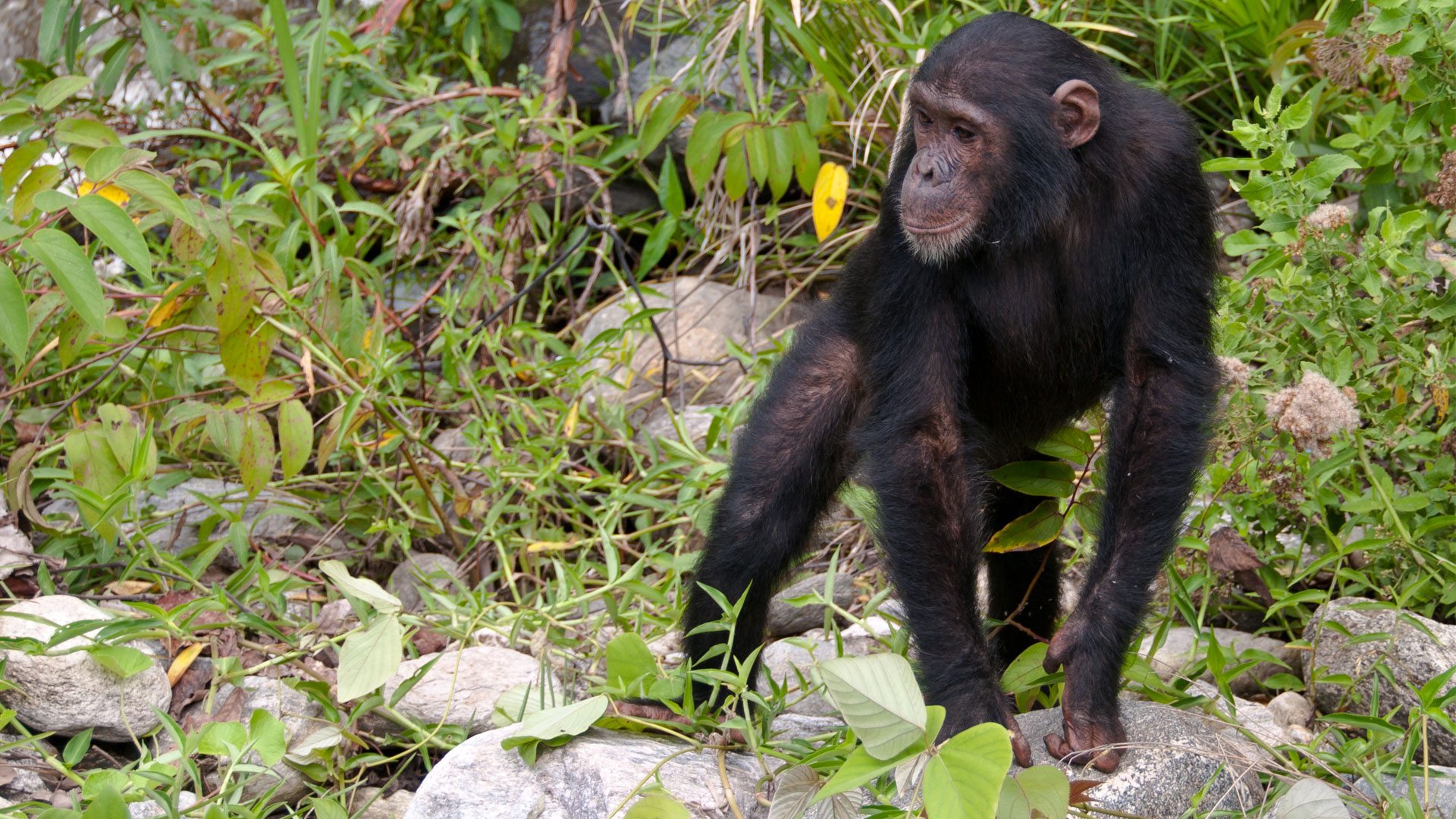
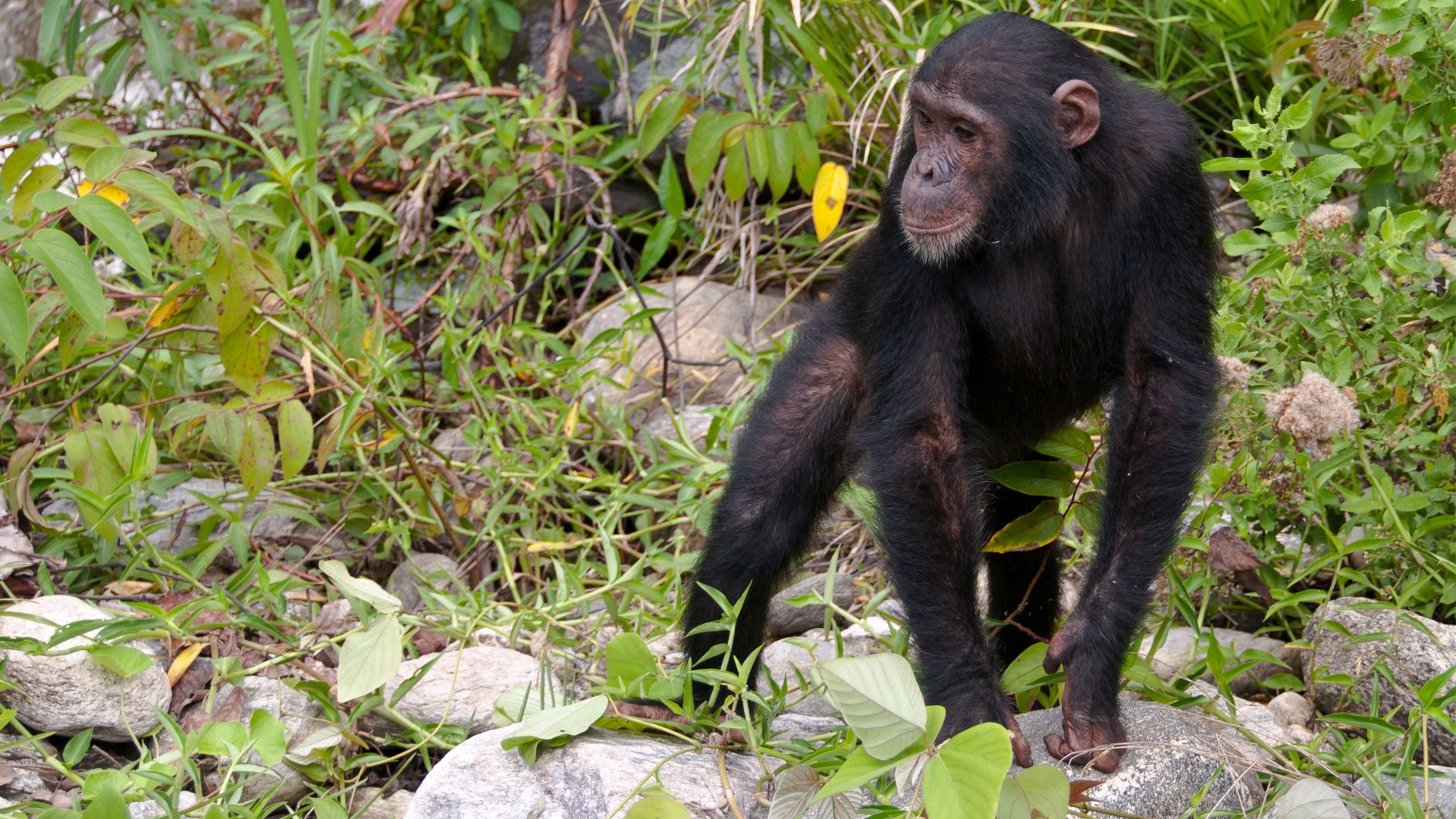
Mahale Mountains National Park is, by any measure, one of the most extraordinary wildlife destinations on Earth — and one of the least visited. Reachable only by a combination of flight and boat, perched on the eastern shore of Lake Tanganyika (the world’s longest and second-deepest freshwater lake), Mahale is home to a habituated community of wild chimpanzees whose behaviour has been studied continuously since the 1960s. For travellers asking about wild chimpanzee trekking Mahale Mountains National Park Tanzania western, this is the experience that changes the way you understand what it means to be human — not metaphorically, but literally. Standing in a forest clearing while a wild chimpanzee examines you with the same curiosity you are directing at him is a moment of species recognition that no zoo, no documentary, no description adequately prepares you for.
The Chimpanzees of the M-Group Community
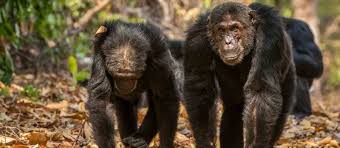
The M-group community of chimpanzees at Mahale has been studied by Japanese primatologists — initially from Kyoto University — since 1965, making this one of the world’s longest continuously running primate research projects. The community currently numbers approximately 60 individuals, and their decades of habituation to human presence means that close observation at distances of 5–10 metres is genuinely possible — close enough to see the individual lines on their faces, close enough to hear them breathe, close enough to understand, with a certainty no photograph conveys, that the distance between their world and ours is very small.
Habituated chimpanzee community Mahale Mountains M-group social behaviour research includes witnessing complex social interactions that would take a book to fully describe: grooming hierarchies that encode political alliances between adult males, the tender and constant care of mothers for infants, the boisterous play of juveniles testing boundaries, and the haunting vocalizations — pant-hoots — that echo through the forest canopy as a dominant male announces his presence to the group.
| Chimpanzee Behaviour | When Observed | What It Means |
|---|---|---|
| Grooming | All day, especially rest periods | Social bonding and alliance maintenance |
| Pant-Hooting | Dawn and dusk | Long-distance communication and group cohesion |
| Nut Cracking | Dry season near nut trees | Tool use — cultural tradition passed between generations |
| Cooperative Hunting | Unpredictable, usually morning | Coordinated pursuit of colobus monkeys |
| Charging Display | When a male is asserting dominance | Hierarchy maintenance — dramatic and impressive to witness |
| Infant Play | Daily throughout the day | Social learning, motor skill development |
The one-hour time limit with the chimpanzees — strictly enforced by Mahale’s rangers — concentrates the mind wonderfully. You learn very quickly to stop photographing and simply look.
Lake Tanganyika: An Inland Sea
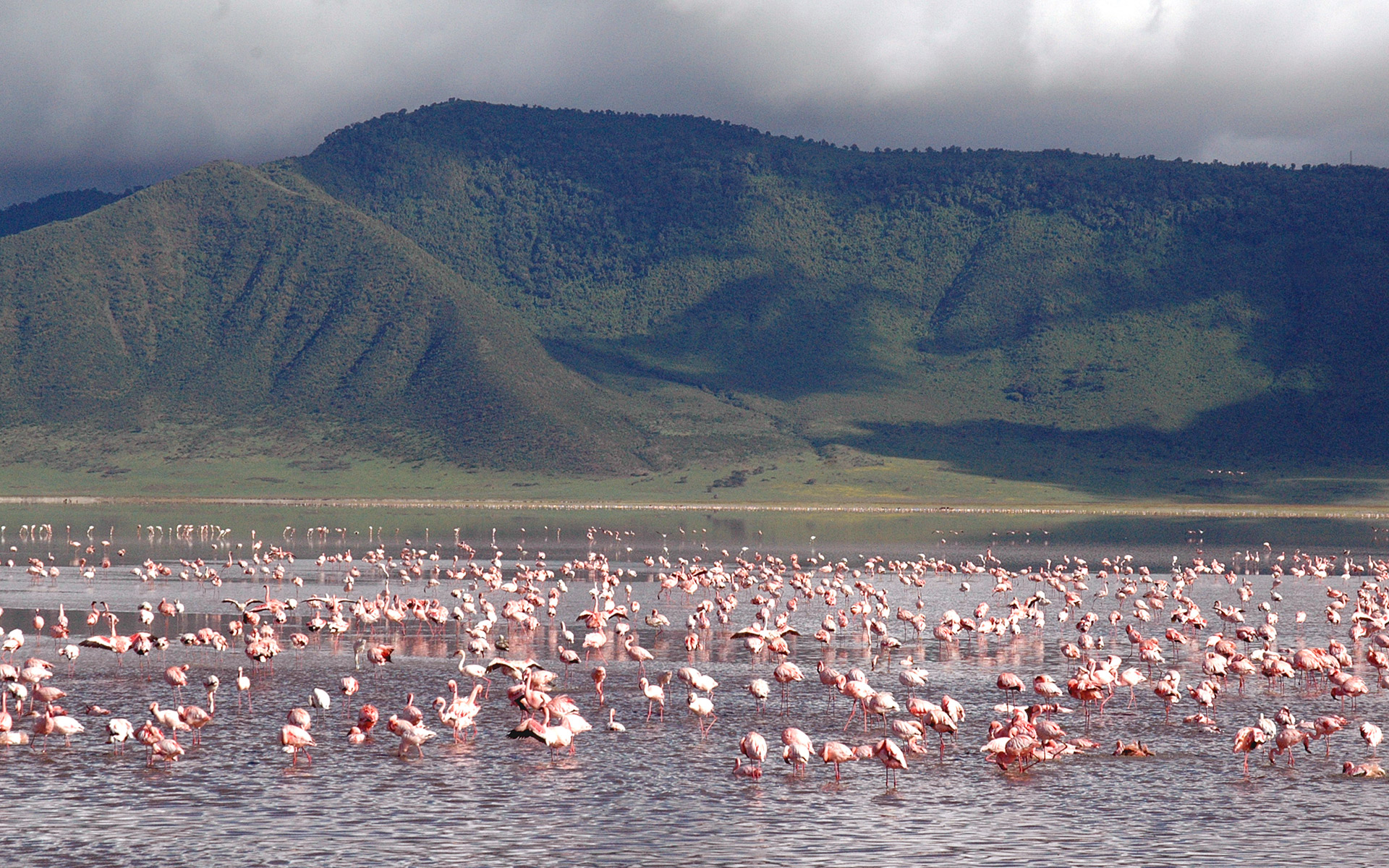
Snorkelling in Lake Tanganyika Mahale endemic cichlid fish species biodiversity is an experience unique in Africa. Tanganyika is the world’s second-deepest lake (maximum depth 1,470 metres), isolated from the ocean for an estimated 9–12 million years. In that isolation, over 350 species of cichlid fish evolved exclusively within its waters — an evolutionary radiation comparable in diversity and visual drama to the coral reefs of the Indian Ocean, but found nowhere else on Earth.
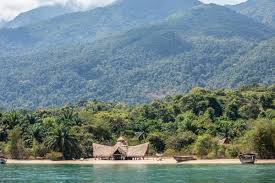
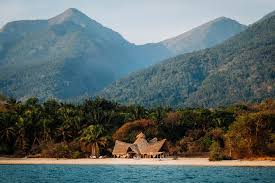
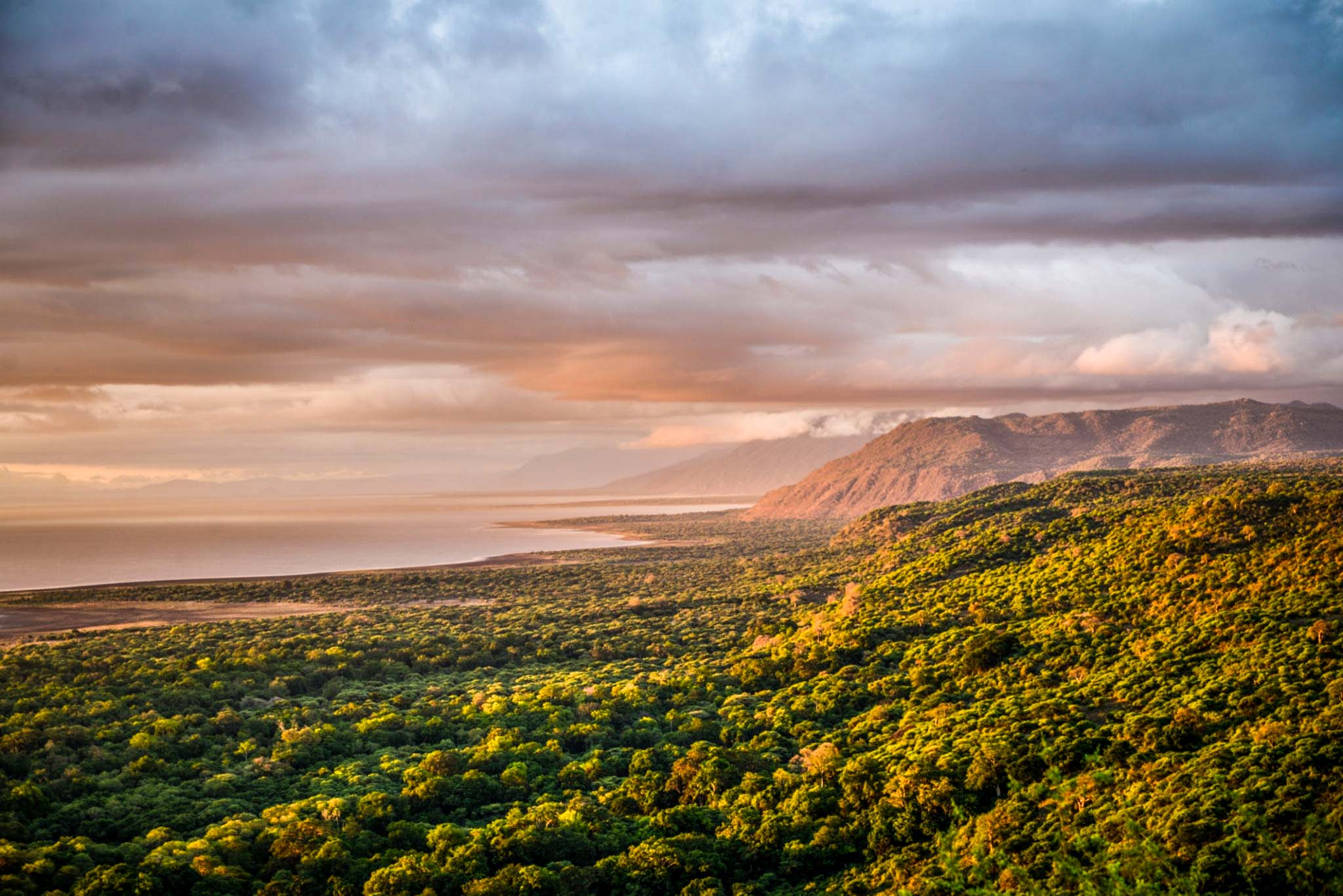
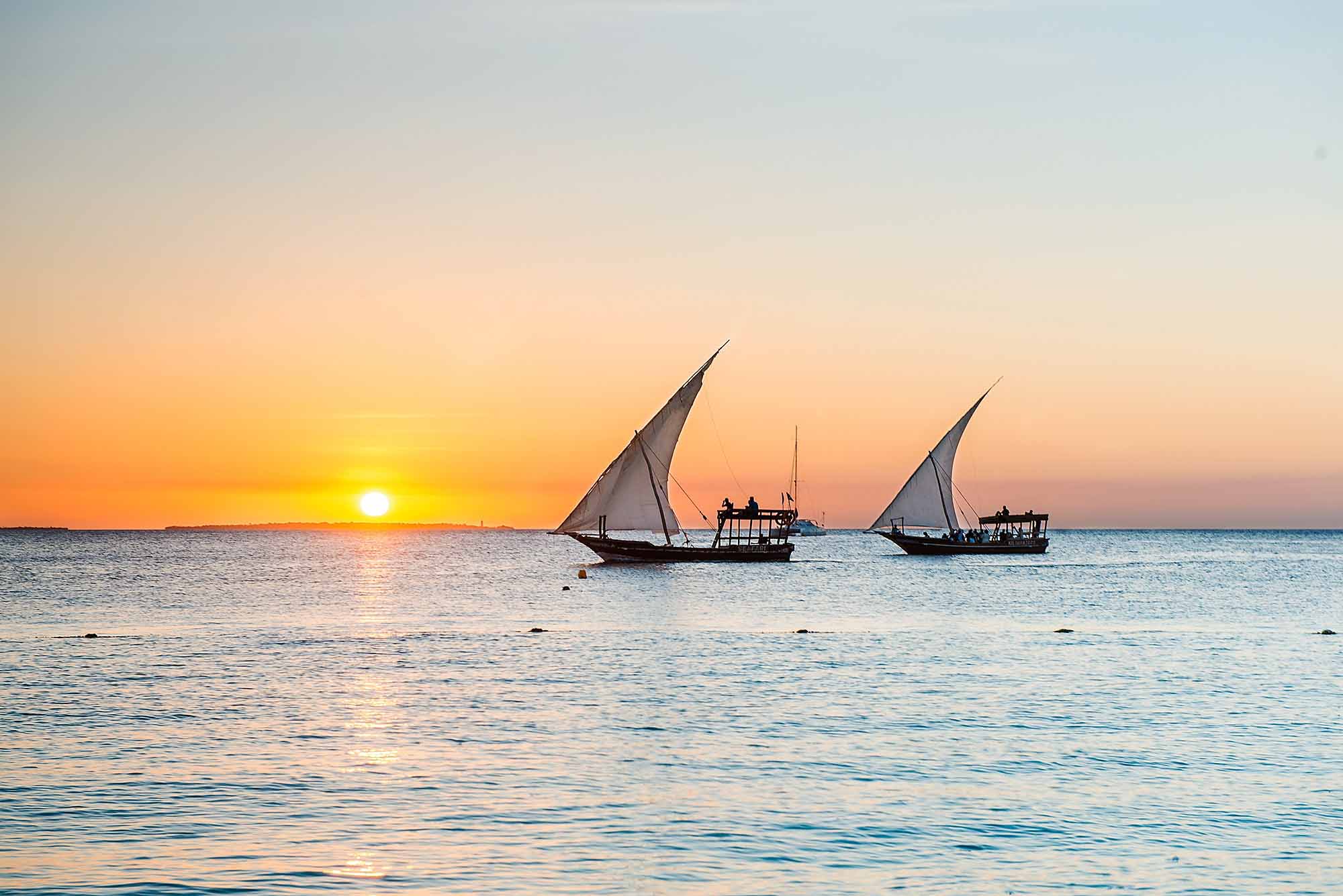
The waters directly off the Mahale lodges are gin-clear and warm (around 26°C), and snorkelling reveals a world of extraordinary colour and behaviour. Endemic cichlids in blues, yellows, oranges, and stripes swarm around the rocky shore, exhibiting the territorial displays and mouth-brooding behaviours that Darwin would have found as fascinating as the finches of the Galápagos. At dusk, the lake’s surface turns gold and then deep purple, and the silhouettes of the Congolese mountains across the water complete a scene of almost unreasonable beauty.
The Forest & Other Wildlife
Mahale’s forest rises from the lakeshore through multiple vegetation zones to peaks above 2,400 metres. Red colobus monkey, red-tailed monkey, and blue monkey share the canopy with the chimpanzees — and the chimpanzees occasionally hunt colobus, making their shared forest a place of genuine and complex ecological tension. The forest floor hosts forest duiker, bushpig, and African civet. Mahale Mountains national park forest birds Albertine Rift endemic species includes species endemic to the Albertine Rift region, making this also a top-tier birding destination for specialist ornithologists who will find it a genuinely productive addition to any Tanzania itinerary.
Getting There & Practical Realities
| Aspect | Detail |
|---|---|
| Access | Fly Dar es Salaam or Arusha → Katavi or Mahale airstrip; then 1–2 hour boat transfer |
| Best Season | June – October (dry, chimps more predictable in lower forest) |
| Park Closed | March – May (heavy rains, inaccessible) |
| Chimp Trekking Rule | Maximum 6 visitors per trek; strict 1-hour time limit with the group |
| Accommodation | 2–3 luxury eco-lodges on the lakeshore; basic camping not available |
| Cost Level | Among the most expensive destinations in Tanzania |
| Health | Yellow fever vaccination required; malaria prophylaxis essential |
Where to Stay — Mahale
🐒 MAHALE LODGES — SIDE BY SIDE COMPARISON
| Greystoke Mahale | Kungwe Beach Lodge | Mahale Mountains Camp | |
|---|---|---|---|
| Operator | Nomad Tanzania | Private | Chimpanzee Safari Club |
| Style | Barefoot luxury, open-sided | Eco-lodge | Tented camp |
| Tents/Rooms | 6 bandas | 8 chalets | 6 tents |
| Price/pnt | USD 1,500–2,000 pp | USD 800–1,200 pp | USD 600–900 pp |
| Chimp Trekking | Daily | Daily | Daily |
| Lake Activities | Kayaking, snorkelling, dhow | Swimming, snorkelling | Swimming |
| Power | Solar only | Solar only | Solar only |
| Best For | Honeymooners, discerning | Families, divers | Budget-conscious luxury |